

A Smarter, Kinder Way to Encourage Bigger Donations
Many nonprofit teams want to encourage bigger donations but worry that asking for more will sound pushy, transactional, or uncomfortable. That concern is valid. Donors do not want to feel cornered. They want to feel respected, informed, and confident that their gift matters.
The good news is that the strongest fundraising strategies do not rely on pressure at all. They rely on clarity, trust, relevance, and timing. Current fundraising research continues to point in the same direction: relationship-based fundraising works, transparency builds trust, and long-term supporters become more valuable over time. The Fundraising Effectiveness Project describes donor retention as a core measure of fundraising health, while Giving USA highlights that authentic relationships and transparent impact reporting remain central to sustained giving.
If your goal is to encourage bigger donations, the path forward is not louder appeals. It is better donor experience. It is showing people what their giving does, making the next step easy, and inviting them into a deeper role in the mission.
Why pressure usually backfires

Pressure may create a short-term response, but it rarely creates long-term loyalty. When supporters feel that every message is urgent, every email is a guilt trip, or every conversation is centered on money, trust begins to erode. Donors want to be treated like partners, not ATMs.
That is especially important today because trust and accountability influence giving decisions more than many organizations realize. BBB Wise Giving Alliance emphasizes that public confidence in charities is tied to governance, results reporting, financial management, and truthful, transparent communications. Giving USA also notes that many donors, especially affluent ones, want measurable results and transparency before making their next gift.
So if you want to encourage bigger donations, remove the sense of pressure and replace it with confidence.
Start with donor motivation, not organizational need
One of the most common fundraising mistakes is leading with internal need alone. Need matters, but donors usually respond more generously when they can see the human meaning behind the gift.
Instead of saying, “We are short on funds,” say, “Your support helps 50 students receive learning materials this month.” Instead of saying, “Please increase your donation,” say, “A gift of $100 helps provide one family with emergency food support for a week.”
The shift is subtle but powerful. It moves the donor from reacting to your stress to participating in visible change. People are more likely to give when they understand the outcome, trust the organization, and feel their action has a clear purpose.
Make impact specific and easy to picture

If you want to encourage bigger donations, vague language is your enemy. “Support our mission” is too broad. “Provide trauma counseling for one child” is easier to understand. Specific impact statements reduce uncertainty and help donors connect a higher gift to a tangible outcome.
This is one reason transparent impact reporting matters so much. Donors are more confident when they can see where funds go and what changed because of those funds. Giving USA’s summary of the 2025 Bank of America Study of Philanthropy notes that 62% of affluent donors monitor and evaluate the impact of their charitable giving before making another gift.
That does not mean every donor wants a formal report. It means most donors want clarity. They want proof that their giving matters.
Examples of stronger impact language
“Your $25 gift helps distribute two hygiene kits.”
“Your $100 gift helps keep our after-school program open for one full afternoon.”
“Your $500 gift helps cover medical outreach for an entire village visit.”
These kinds of examples help encourage bigger donations because they answer the donor’s silent question: “What exactly does more support accomplish?”
Use suggested giving amounts carefully
Suggested giving amounts can be a helpful way to encourage bigger donations, but only when they feel supportive rather than manipulative. A donor should feel guided, not boxed in.
Bloomerang explains that suggested donation amounts can make it easier for donors to choose a gift and can lead to upgraded giving when the amounts are thoughtfully structured. Their guidance also points out that presenting amounts in the wrong order can hurt performance, and that testing matters because donor behavior differs by audience.
This means your donation page should not simply display random numbers. It should offer a logical range connected to real outcomes.
What strong suggested amounts look like
$25 — Provides school supplies for one child
$50 — Supports a family food parcel
$100 — Funds a health screening for five people
$250 — Helps run a community outreach session
This structure helps encourage bigger donations because it makes the jump from one amount to the next feel meaningful, not arbitrary.
What to avoid on your donation page
Do not make smaller gifts feel unwelcome.
Do not hide the custom amount field.
Do not use confusing labels without impact context.
Do not set unrealistic default amounts for first-time donors.
Do not assume one gift ladder works for every segment.
One important lesson from fundraising testing is that there is no universal perfect gift array. In some cases, donor self-selection performs better than a fixed ask string. That is why testing is smarter than guessing.
Segment your asks instead of asking everyone the same way
A first-time donor, a recurring donor, and a major supporter should not receive identical upgrade messages. Personalization is one of the cleanest ways to encourage bigger donations without creating pressure.
For example:
A first-time donor may need a thank-you story and one soft follow-up invitation.
A repeat donor may respond well to a message tied to their past giving level.
A loyal monthly supporter may be open to an annual special gift.
A long-time donor may appreciate a personal conversation about deeper impact.
This approach respects where the donor is in the relationship. It also improves results because relevance always outperforms generic fundraising.
Research from Neon One shows that retained donors often give larger and more frequent gifts over time, and that donor retention is significantly more cost-effective than acquisition. Their donor retention guidance cites an average cost of $0.20 to retain a donor versus $1.50 to acquire one.
If you want to encourage bigger donations, begin with the people who already know and trust you.
Build donor confidence before making a bigger ask

Many organizations ask for an upgraded gift before they have earned the right to do so. A better sequence looks like this:
Thank the donor well.
Show them what their last gift helped accomplish.
Keep them informed in simple, human language.
Then invite them to do more.
This sequence feels natural because it is natural. Bigger giving often grows from deeper confidence, not stronger pressure.
The broader fundraising data supports this relationship-first approach. Giving USA highlights authentic human connection as a powerful driver of giving, and BBB’s standards-focused guidance reinforces how accountability and truthful communication strengthen donor trust.
A better upgrade message
Instead of this:
“Can you increase your donation today? We urgently need bigger gifts.”
Try this:
“Because of your last gift, 12 families received emergency support. We are expanding that program this season. A gift of $75 would help one more family receive care.”
That kind of message can encourage bigger donations because it starts with appreciation, proves impact, and makes the next level of support feel purposeful.
Recurring giving can unlock larger lifetime value
One of the smartest ways to encourage bigger donations is to stop thinking only in terms of one-time upgrades. Monthly giving often feels more accessible to donors, while producing larger long-term value for the organization.
Neon One reports that recurring donor programs have grown significantly and that recurring donors tend to stay longer and produce stronger lifetime value. One Neon One summary notes that the average recurring donor gave almost $1,000 annually for about eight years, with retention close to 80%.
This matters because some donors will gladly give more over time if the format feels manageable. A donor who hesitates at a single $300 gift may say yes to $25 per month.
How to present recurring giving without pressure
Frame it as steady impact, not obligation.
Show what one month of giving accomplishes.
Offer monthly as an option, not a demand.
Thank monthly donors in a distinct and meaningful way.
When handled well, monthly giving is one of the most effective ways to encourage bigger donations while keeping the donor experience comfortable.
Improve the donation experience itself
Sometimes the real problem is not your message. It is the giving experience. If your form is clunky, your page is confusing, or your content leaves questions unanswered, donors may abandon the process before making a gift.
Nielsen Norman Group’s usability research found that nonprofit websites often fail to provide the information people need to make donation decisions. That means even motivated donors may hesitate if the path is unclear.
To encourage bigger donations, make sure your donation experience is simple:
Use clear gift buttons.
Add brief impact language beside each amount.
Keep form fields to a minimum.
Display trust signals and receipts clearly.
Make the page mobile-friendly.
Let donors choose one-time or monthly without friction.
A smooth experience does not just increase conversions. It also increases donor confidence.
Use social proof and gratitude the right way
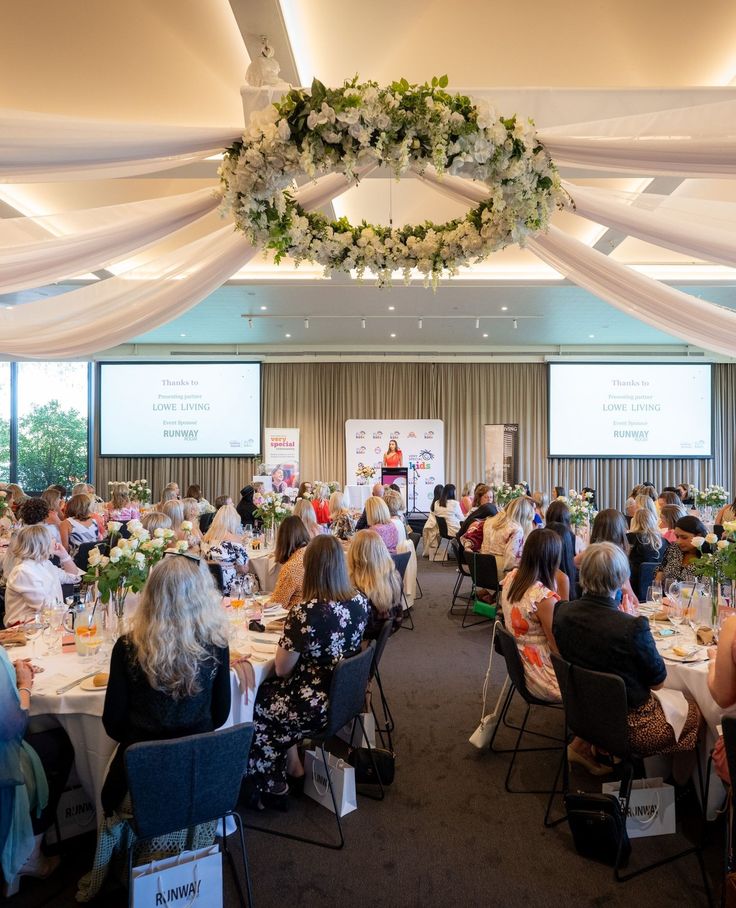
People often feel more comfortable giving generously when they know others are doing the same. Social proof can help, but it should feel warm and mission-centered rather than competitive.
Good examples include:
“Hundreds of supporters helped us fund this school term.”
“Last month, our donor community provided 1,200 meals.”
“Join a growing group of monthly supporters helping families every week.”
This can encourage bigger donations because it reassures donors that they are part of something trusted and active. Pair that with genuine gratitude, and your fundraising becomes more relational than transactional.
Ask at the right moment
Timing matters. The best moment to invite a larger gift is often shortly after a donor has experienced proof of impact, a positive event, a successful campaign update, or a meaningful thank-you journey.
Avoid making upgrade asks immediately after every donation. Instead, look for signs of readiness:
They opened and clicked several recent updates.
They gave more than once in the last year.
They responded to a campaign appeal.
They attended an event or volunteered.
They have been a monthly donor for several months.
These signals tell you the donor may be ready for a deeper invitation. That is how you encourage bigger donations intelligently.
Give donors language that makes generosity feel good
Words matter. The wrong tone can create resistance. The right tone can create momentum.
Use language like:
“Would you consider…”
“If you are able…”
“Your support could help…”
“Here is what a larger gift makes possible…”
“Many supporters choose to…”
This language leaves room for agency. It respects the donor’s freedom. That alone can encourage bigger donations more effectively than hard-sell copy.
Phrases to avoid
“You must act now.”
“We need you to give more.”
“Only serious donors can help.”
“If you care, you will donate today.”
These phrases create shame, defensiveness, or fatigue. They may trigger action occasionally, but they do not build lasting generosity.
Track what actually leads to upgraded gifts

You do not need to guess your way through fundraising. Watch the signals.
Track which donor segments upgrade most often.
Track which suggested amounts perform best.
Track one-time versus monthly conversion.
Track which emails lead to larger gifts.
Track whether impact-based language outperforms general appeals.
The sector’s current fundraising environment makes this especially important. FEP reporting continues to show challenges in donor participation and retention, which means nonprofits need to improve engagement quality, not just increase message volume.
When you test and learn consistently, you become far better equipped to encourage bigger donations without copying tactics that do not fit your audience.
Also read:Church Funding Secrets: How to Raise Money Without Asking for Donations Directly
💛 Inspire Bigger Donations While Deepening Donor Trust
Bigger donations do not come from pressure — they come from clarity, trust, and confidence in the vision.
Many churches struggle because:
- Donors do not fully understand the purpose behind the ask
- Communication feels reactive instead of intentional
- Appeals focus on urgency without building long-term trust
When people trust the vision and understand the impact, they are far more likely to give generously.
✅ Start with a Free Church Fundraising Proposal Template
Before asking for bigger gifts, you need a message that clearly communicates your vision and builds confidence.
This ready-to-use proposal template will help you:
- Clearly communicate your church building vision
- Show how donations will be used
- Build transparency and trust with your congregation
- Create a strong foundation for meaningful, pressure-free giving
👉 Download the free proposal template here
🚀 Upgrade: Complete 12-Week Church Building Fundraising Campaign Framework
If you want to encourage larger gifts while strengthening donor trust, you need more than one appeal — you need a clear, consistent campaign system.
Get the Complete 12-Week Church Building Fundraising Campaign Framework to help you guide your congregation from vision to trust to action.
💡 What’s included:
- Week-by-week campaign action plan with specific goals and milestones
- Sermon outlines and talking points for each phase of the campaign
- Pledge forms and commitment cards
- Email and SMS sequences for donor engagement
- Milestone celebration templates and progress update scripts
- Campaign launch and closing event planning guides
💰 Limited Offer: $5.99 (Save 80%)
👉 Get the full 12-week fundraising framework here
💡 Why This Works
People give more when they:
- Trust the leadership behind the vision
- Understand exactly what their gift will accomplish
- Feel invited into a meaningful purpose instead of pressured into a transaction
With the right tools, you can:
- Encourage bigger donations naturally
- Build deeper trust with your donors
- Communicate with consistency and confidence
- Create a culture of generosity that lasts
Don’t push people harder — give them a reason to believe more deeply.
Wrap Up
If you want to encourage bigger donations, do not lead with pressure. Lead with trust. Lead with clarity. Lead with gratitude. Bigger giving is usually the result of better relationships, more visible impact, thoughtful timing, and a smoother donor experience.
Supporters are far more likely to increase their giving when they understand what their gift does, feel appreciated for what they have already done, and see a next step that feels natural. That is the real secret. You do not have to push harder. You have to make generosity easier, clearer, and more meaningful.
FAQs
1. What is the best way to encourage bigger donations without pressure?
The best way is to connect the ask to visible impact, use respectful language, and ask at the right time. Donors respond better when they feel informed and appreciated rather than pushed.
2. How often should a nonprofit ask donors to increase their gift?
There is no perfect rule, but upgrade asks work best after stewardship moments such as thank-you follow-ups, campaign updates, or signs of deeper engagement.
3. Do suggested donation amounts really help encourage bigger donations?
Yes, they often help by reducing decision fatigue and giving donors a clear range, especially when each amount is tied to a specific outcome.
4. Can monthly giving encourage bigger donations over time?
Yes. Monthly giving can feel more manageable for donors while creating stronger lifetime value and longer retention for nonprofits.
5. Should every donor receive the same upgrade message?
No. Segmenting by donor history, giving level, and engagement usually produces better results and feels more personal.
6. Why does trust matter so much in fundraising?
Trust influences whether donors believe their money will be used well. Transparency, truthful communication, and results reporting all strengthen confidence.
7. How can nonprofits make bigger asks feel less uncomfortable?
Use donor-centered wording, show appreciation first, explain impact clearly, and leave room for the donor to choose freely.
8. What should appear on a donation page to support larger gifts?
Clear gift amounts, impact labels, a custom amount option, one-time and monthly choices, trust signals, and a simple mobile-friendly form all help.
9. Is donor retention connected to larger gifts?
Yes. Retained donors often give more frequently and become more valuable over time than one-time supporters.
10. What is one mistake that stops nonprofits from getting larger donations?
A common mistake is asking for more money before proving impact or building enough trust. Donors usually need confidence before they increase their giving.