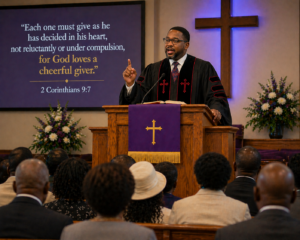

How to Turn a Church Gathering Into a Meaningful Fundraising Success
A church fundraising event should do more than collect donations for a budget line. It should strengthen relationships, rally people around a shared mission, and give members and supporters a clear reason to participate. The most effective events are not built on pressure. They are built on clarity, hospitality, trust, and follow-through. Current nonprofit guidance consistently shows that donor connection, stewardship, and post-event follow-up are major drivers of long-term fundraising success, not just what happens on the event day itself.
A strong church fundraising event begins with one central question: what are we inviting people to help make possible? Churches often raise more support when the purpose feels specific, visible, and mission-aligned, whether that means youth ministry, community outreach, a building repair project, benevolence work, or missions. Church-focused fundraising guides also emphasize that practical, community-friendly events tend to work well because they are easier to organize and more accessible to members and neighbors.
This guide will walk you through how to plan, promote, run, and follow up after a church fundraising event so it raises money and deepens engagement at the same time.
Start With a Clear Mission and Fundraising Goal

Before choosing your event format, define the purpose in one sentence. A church will struggle to motivate participation if the need is vague. “Support our ministry” is broad. “Help fund the youth retreat for 40 students” is clear. “Raise money to repair the fellowship hall roof before the rainy season” is concrete. “Expand our food pantry outreach to 100 more families” is compelling.
Your church fundraising event should answer four questions early:
What are you raising money for?
State the project in plain language. People give more confidently when they understand where the money is going and what impact it will have. Transparency builds trust and trust supports generosity. Candid’s current guidance stresses that strong donor relationships depend on thoughtful, transparent communication.
How much do you need?
Set an exact target. For example, instead of saying, “We hope to raise as much as possible,” say, “Our goal is $8,000.” A defined number helps your team plan ticket pricing, sponsorships, donation asks, and progress updates.
What will success look like beyond money?
A church fundraising event should also track attendance, volunteer participation, new visitor engagement, repeat donor potential, and community partnerships. Nonprofit event experts increasingly stress measuring relationship outcomes and long-term donor value, not just one-night revenue.
Who is the event for?
Some events work best for members. Others are designed for the broader community. Your audience shapes everything from price point to messaging to event style.
Choose the Right Type of Church Fundraising Event
Not every church fundraising event needs to be elaborate. In fact, many church fundraising resources recommend low-cost, high-participation ideas because they are easier to execute and often create strong community involvement.
Popular formats that work well for churches
A dinner or banquet works well when your church wants a more formal atmosphere with testimonies, ministry stories, and a focused giving moment.
A bake sale, market day, or craft fair can be effective when your congregation enjoys hands-on participation and you want lower operational complexity.
A charity walk, fun run, or community fitness event works well when you want visibility beyond the church and opportunities for peer-to-peer fundraising.
A concert, worship night, or talent event can bring in both church members and local guests while creating an emotionally resonant experience.
A car wash, yard sale, or community service fundraiser is simple, familiar, and often appealing for youth groups or small volunteer teams.
A family festival or church fair can combine games, food, entertainment, vendors, and donation opportunities in a highly inclusive format.
Match the event to your church’s capacity
The best church fundraising event is not necessarily the most creative one. It is the one your team can execute well. A smaller church with 20 dependable volunteers may do better with a breakfast fundraiser than a large gala. A church with strong musicians may see better participation from a worship concert than from a silent auction. Pick the format that fits your people, space, time, and budget.
Build a Simple Budget Before You Promote Anything
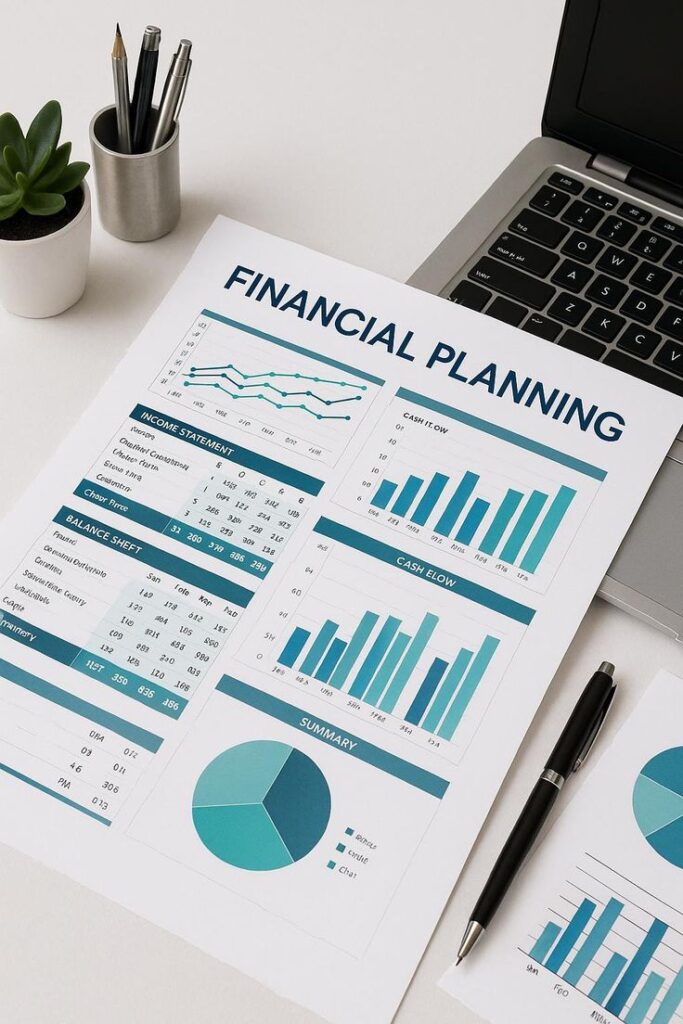
A church fundraising event can feel successful in the room and still disappoint financially if expenses are poorly managed. Create a budget before you announce the event. Include venue costs, food, decorations, equipment, printing, online giving fees, permits if needed, promotion, childcare, security, and cleanup supplies.
Estimate revenue in layers
Project income from several possible sources:
Tickets or registration fees
Table sales
Sponsorships from local businesses
On-site donations
Online gifts before and after the event
Merchandise or food sales
Auctions or raffles where legally permitted in your area
This layered approach makes a church fundraising event more resilient. If one income stream underperforms, another may carry more of the load.
Plan for net revenue, not just gross revenue
If your event brings in $10,000 but costs $6,500 to execute, the story is very different than it first appears. Event ROI matters. Nonprofit event guidance recommends evaluating whether the event’s time, budget, and staff energy produced worthwhile results and how those results compare to other fundraising efforts.
Form a Focused Event Team

A successful church fundraising event is usually the result of clear ownership, not endless group discussion. Build a lean leadership team and give each person a defined lane.
Key roles to assign
Event director
Oversees the full timeline, team communication, and decision-making.
Finance lead
Tracks expenses, income, payment methods, and reconciliations.
Volunteer coordinator
Recruits, trains, schedules, and supports volunteers.
Promotions lead
Handles announcements, email, social media, flyers, and registration reminders.
Program host or emcee
Guides the event flow, welcomes guests, and leads giving moments.
Donor follow-up lead
Ensures thank-you messages, impact updates, and future invitations are sent.
Churches often burn out volunteers when too much responsibility sits with one or two people. A system-based approach reduces chaos and makes future events easier to repeat and improve.
Create a Timeline That Prevents Last-Minute Stress

Most event problems come from compressed timelines. Start earlier than you think you need to.
A practical planning sequence
8 to 12 weeks before
Confirm purpose, goal, audience, format, date, venue, leadership team, and budget.
6 to 8 weeks before
Open registration, secure sponsors, recruit volunteers, finalize event branding, and begin promotion.
4 to 6 weeks before
Confirm program details, collect testimonies, line up vendors, and push weekly communication.
2 to 3 weeks before
Train volunteers, test payment systems, confirm supplies, and review registration trends.
1 week before
Finalize seating, scripts, signage, donation links, giving instructions, and day-of logistics.
24 to 48 hours after
Send thank-you messages, share preliminary results, and begin post-event follow-up.
That final step matters more than many churches realize. Nonprofit experts consistently note that follow-up is where long-term donor value is either strengthened or lost.
Promote the Church Fundraising Event With Clarity and Warmth
Promotion should not feel like relentless asking. It should feel like a compelling invitation. A good church fundraising event message tells people why it matters, who it helps, and how they can participate.
What your promotion should communicate
The purpose
Explain the mission behind the fundraiser.
The experience
Tell people what to expect. Dinner? Family fun? Music? Community service? Auction?
The logistics
Include date, time, location, cost, registration instructions, and giving options.
The impact
Show what gifts will make possible.
Best channels for church promotion

Use Sunday announcements, church bulletins, WhatsApp groups, email lists, social media, small groups, ministry leaders, and personal invitations. For community-facing events, add flyers, neighborhood groups, and local business partnerships.
Church-focused fundraising platforms regularly emphasize that simple, accessible messaging and broad community inclusion help improve turnout.
Use stories, not just facts
A story makes your church fundraising event memorable. A short testimony from a family helped by the church, a youth participant, or a ministry leader gives emotional shape to the appeal. People are often moved by what their generosity can change, not just what the church needs to pay for.
Make Giving Easy During the Event
Even a well-attended church fundraising event can underperform if giving is confusing. Remove friction wherever possible.
Offer multiple ways to give
QR code giving
Mobile giving
Cash and envelopes
Card payments
Pledge cards
Online donation page for those who give later
The giving process should be visible, simple, and explained from the stage if appropriate. Have trained volunteers ready to help guests who are unfamiliar with digital tools.
Explain the ask with confidence and respect
Do not apologize for the invitation to give. If the cause is clear and the church has communicated with honesty, asking becomes an opportunity for people to participate in something meaningful. Keep the ask specific: “Tonight we are raising $8,000 to equip our outreach team for the next six months.” Specificity increases trust and action.
Focus on the Guest Experience From Start to Finish
A church fundraising event is also a hospitality event. People remember how they were welcomed, not just what they were asked to give.
Pay attention to the details that shape trust
Friendly greeters at the entrance
Clear signage and check-in flow
Comfortable seating
Reliable sound system
A program that starts on time
Childcare if relevant
Easy restroom access
Warm thank-you language throughout the event
Current donor retention research keeps pointing to one simple truth: connection matters. Donors stay engaged when they feel seen, valued, and included.
Keep the program moving
A long or disorganized event drains energy. Build a clear run-of-show with timing for welcome, worship or entertainment, testimony, meal or activity blocks, donation appeal, acknowledgments, and closing. The most effective church fundraising event programs are usually focused rather than overloaded.
Thank People Quickly and Meaningfully

Too many churches think the event ends when the last chair is stacked. In reality, the future value of a church fundraising event often depends on what happens next.
Follow up within 24 to 48 hours
Send thank-you emails, text messages, or personal notes as soon as possible. Acknowledge donors, volunteers, sponsors, and attendees. Quick gratitude reinforces trust and signals that the church is attentive and organized. Follow-up guidance across nonprofit sources strongly supports timely, thoughtful acknowledgment as a retention strategy.
Share results and impact
Let people know how much was raised and what happens next. If final totals are not ready, share an interim update and promise a full report. Then follow through. Transparency builds momentum for the next church fundraising event.
Keep the relationship going
Invite attendees into the next step. That could mean volunteering, joining a ministry update list, attending a service, supporting a future campaign, or praying for the project they helped fund. Long-term generosity grows when supporters are treated as partners rather than one-time event guests.
Measure What Worked So the Next Event Performs Better
Do not rely on memory. Debrief your church fundraising event while details are fresh.
Review the numbers
Total raised
Net revenue
Attendance
Average gift
Number of first-time donors
Sponsor income
Volunteer count
Registration conversion rate
Review the experience
Ask your team what worked, what confused guests, where delays happened, and which messages got the strongest response. This kind of honest review helps your church build repeatable systems instead of starting from scratch each time.
Save your assets
Keep your budget template, event checklist, volunteer scripts, email drafts, sponsor letter, social graphics, and post-event report in one shared folder. Each church fundraising event becomes easier when your church builds a reusable planning system.
🎉 Run a More Successful Church Fundraising Event with the Right Tools
A successful church fundraising event is not just about getting people in the room — it is about clearly communicating the vision, building trust, and guiding people toward action.
Many church fundraising events struggle because:
- The purpose of the event is not clearly communicated
- Messaging before and after the event is inconsistent
- There is no clear follow-up plan to maintain momentum
- Leaders are left creating everything from scratch
If you want your event to raise more support and create lasting impact, you need both a clear message and a proven campaign system.
✅ Start with a Free Church Fundraising Proposal Template
Before promoting your event, you need a strong foundation that clearly explains your project and why people should support it.
This ready-to-use proposal template will help you:
- Clearly communicate your church building vision
- Show how donations will be used
- Build trust and transparency with your congregation
- Create a strong message for your event promotions and appeals
👉 Download the free proposal template here
🚀 Upgrade: Get the Full Church Fundraising Toolkit
If you want to run your event with greater clarity, stronger communication, and better follow-up, these premium resources will help you do it.
1. Church Templates Bundle (50+ Templates)
A complete church communication toolkit to support your fundraising efforts across multiple channels.
💡 Includes:
- Church fundraising message library with 40 ready-to-use scripts
- Donor outreach emails, WhatsApp scripts, LinkedIn sequences, and social media templates
- Grant proposal, budget, and cover letter templates
- Sponsorship and partnership proposal templates
- Event proposal and fundraising event templates
- Faith-based donor appreciation and stewardship messages
👉 Get the Church Templates Bundle here
2. Complete 12-Week Church Building Fundraising Campaign Framework
A step-by-step system to help you plan and sustain fundraising momentum around your event.
💡 Includes:
- Week-by-week campaign action plan with specific goals and milestones
- Sermon outlines and talking points for each phase
- Pledge forms and commitment cards
- Email and SMS sequences for donor engagement
- Milestone celebration templates and progress update scripts
- Campaign launch and closing event planning guides
👉 Get the 12-week fundraising framework here
💡 Why This Works
Church fundraising events are most successful when people:
- Clearly understand the vision
- Feel connected to the purpose
- Receive consistent communication before and after the event
- Know exactly how to respond and stay involved
With the right tools, you can:
- Promote your event with clarity and confidence
- Create stronger engagement before the event
- Inspire generosity during the event
- Maintain momentum after the event ends
Do not leave your event success to chance — use proven templates and a step-by-step framework to make it easier.
Wrap-Up: A Successful Church Fundraising Event Is About More Than Money
The most effective church fundraising event is one that connects people to purpose. Yes, you want strong attendance and generous giving. But the deeper goal is to strengthen trust, widen participation, and help your church community feel part of something meaningful.
When churches lead with clarity, choose an event that fits their capacity, communicate the mission well, make giving simple, and follow up thoughtfully, fundraising becomes less stressful and more sustainable. A great church fundraising event does not depend on pressure or perfection. It depends on preparation, hospitality, and a clear invitation to make a difference together. That is how one event can become the beginning of stronger support for your ministry in the months ahead.
FAQs
1. What is the best type of church fundraising event?
The best type of church fundraising event is the one that matches your church’s size, volunteer capacity, and audience. Smaller churches often do well with simple community events, while larger churches may succeed with banquets, concerts, or family festivals.
2. How far in advance should a church fundraising event be planned?
Most churches should begin planning a church fundraising event at least 8 to 12 weeks in advance so they have enough time for budgeting, volunteer coordination, promotion, and donor preparation.
3. How can we raise more money at a church fundraising event?
Raise more by setting a clear goal, adding multiple giving options, securing sponsors, telling strong impact stories, and following up after the event. Nonprofit sources consistently show that donor relationship-building improves long-term results.
4. Should a church fundraising event charge for tickets?
It depends on the format. A dinner, concert, or conference-style event may justify tickets. A community outreach event may work better as free entry with donation opportunities.
5. How do we promote a church fundraising event effectively?
Use church announcements, email, social media, personal invitations, small groups, and ministry leaders. Clear messaging about purpose and impact improves turnout.
6. What should be included in a church fundraising event budget?
Include venue, food, supplies, equipment, promotion, payment processing, decorations, childcare, cleanup, and contingency costs. Always estimate net revenue, not just gross revenue.
7. How important is follow-up after a church fundraising event?
It is extremely important. Thank-you messages, impact updates, and continued engagement help turn one-time attendees into ongoing supporters.
8. What are common mistakes churches make with fundraising events?
Common mistakes include unclear goals, overspending, poor promotion, complicated giving methods, weak volunteer coordination, and failing to follow up after the event.
9. Can a small church run a successful church fundraising event?
Yes. In many cases, a small church can run a very successful church fundraising event by choosing a simple format, focusing on one clear cause, and creating a warm, well-organized experience.
10. How do we know if our church fundraising event was successful?
Success should be measured by net funds raised, attendance, donor participation, volunteer engagement, sponsor support, and how many people stay connected afterward.