The real reason generic fundraising keeps underperforming
Nonprofits are communicating in a crowded environment. Donors are receiving emails, texts, direct mail pieces, social posts, and event invitations from many organizations at once. At the same time, the broader fundraising environment is getting harder. The Fundraising Effectiveness Project reported that while dollars raised increased in parts of 2025, the number of donors declined and retention remained weak, which means organizations cannot rely on volume alone to sustain long-term giving.
That is exactly why personal messages raise more money. When donor counts are under pressure, the organizations that win are usually the ones that make supporters feel seen, understood, and connected to a specific outcome. A mass campaign may reach more people, but a personal message often reaches the right person in the right way.
This is not just about adding a first name to an email subject line. It is about relevance. It is about sending a message that reflects what a donor cares about, how they have engaged before, and what kind of impact matters to them now. Research and sector guidance increasingly point to personalization as a practical response to donor fatigue, retention challenges, and rising competition for attention.
Personal messages create recognition, and recognition creates action
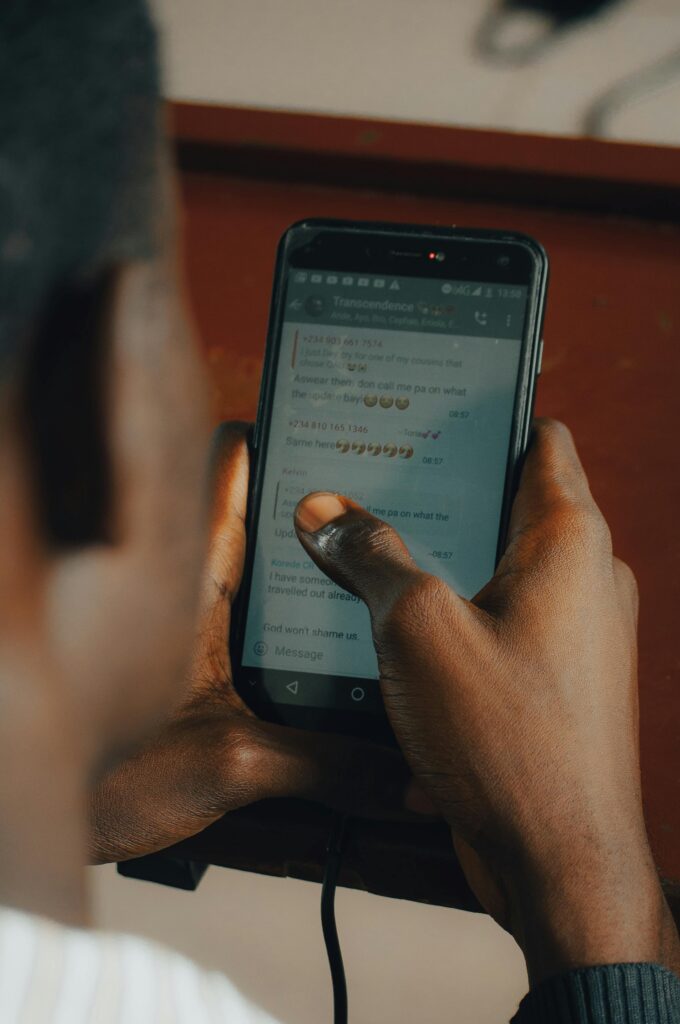
A donor who receives a mass email knows it was sent to thousands of people. A donor who receives a message that references their last gift, their volunteer history, or the program they care about feels something different. They feel recognized.
That feeling matters because giving is not only transactional. It is relational. People are more likely to respond when they believe their action matters and when they see that the organization understands their values. Candid recently highlighted that fundraisers are increasingly using personalized emails, texts, and virtual conversations based on donor preferences, while also emphasizing short, impact-oriented reporting.
This helps explain why personal messages raise more money than broad one-size-fits-all outreach. Mass campaigns often speak in averages. Personal messages speak to identity. They help a donor think, “This organization knows why I care, and they know what I can help make possible.”
Mass campaigns are efficient, but efficiency is not the same as effectiveness
Mass campaigns are not useless. They can be valuable for awareness, list growth, seasonal pushes, and urgency-driven appeals. They are often easier to launch, easier to automate, and less time-intensive for small teams. But efficiency can hide a costly weakness: many mass campaigns are built for distribution, not connection.
That difference shows up in response quality. If a message is too broad, too generic, or too detached from donor intent, supporters may ignore it even if the cause itself is strong. In contrast, sector research continues to show that organizations using more tailored communication see stronger engagement and better retention outcomes over time. FEP describes donor retention as a central health indicator for nonprofits, and M+R’s 2025 benchmarks show that organizations are still working in a tight digital fundraising climate where stronger engagement matters.
So yes, mass campaigns can help you talk to everyone. But if you want more people to actually respond, personal messages raise more money because they reduce the emotional distance between the donor and the mission.
Why donors respond to messages that feel human
Personal communication lowers the “this is not for me” reaction
When donors receive a general appeal, they have to do extra work. They must figure out whether the message applies to them, whether the need is real, whether their gift matters, and whether the organization even knows them. That is a lot of friction.
A personal message removes that friction. It can say, in effect, “You helped before, and here is what happened,” or “You care about children’s literacy, and here is where the need is now.” That kind of framing gives the donor a direct bridge from identity to action.
This is one reason personal messages raise more money. They shorten the decision path. Instead of asking the donor to interpret a generic pitch, they invite the donor into a specific and meaningful next step.
Personal messages strengthen trust

Trust is often built through signals of attention. When an organization remembers a donor’s preferred channel, past support, or program interest, it signals care. That can be especially important at a time when supporters are more selective and more skeptical of generic digital noise.
CCS Fundraising notes that effective communication strategies increasingly depend on matching outreach to donor preferences and using layered communication thoughtfully across channels. That points to a broader truth: donors do not simply want more messages. They want messages that fit.
And when a message fits, donors are more likely to read, respond, and give again. That is another reason personal messages raise more money.
What “personal” actually looks like in fundraising
A lot of teams hear the word personalization and assume it means complicated data systems, advanced automation, or expensive software. In reality, personalization can start much smaller.
A personal message might include:
A reference to the donor’s last action
This could be their most recent gift, their volunteer role, event attendance, petition signature, or monthly giving history. Referencing a real action tells the donor they are known, not just stored in a database.
A message tied to donor interest
If one donor gives to youth programs and another gives to health outreach, they should not receive identical appeals every time. Segmenting by interest makes the message more useful and more persuasive.
A preferred channel
Some donors are more likely to respond to email. Others prefer text, direct mail, or a phone call. Matching channel to preference can significantly improve engagement. Guidance from sector practitioners continues to emphasize channel preference as a meaningful segmentation factor.
A specific impact path
General language like “support our mission” is weaker than “help 25 families receive meals this weekend” or “fund one month of tutoring for a student who is falling behind.” Specificity gives the donor a clearer picture of what their money does.
Put simply, personal messages raise more money because they replace abstraction with relevance.
The emotional advantage of personal appeals
Fundraising is not just information transfer. It is motivation transfer. Donors do not give because they received facts alone. They give because something in the message helped them feel urgency, responsibility, hope, belonging, or belief.
Mass campaigns often flatten those emotions because they are written to offend no one and apply to everyone. The result is usually safe language. Safe language may preserve brand consistency, but it rarely creates strong donor movement.
Personal messages can take a more vivid route. They can mirror the donor’s prior commitment, connect the gift to a real outcome, and make the supporter feel like an active partner in the story. That emotional proximity is a major reason personal messages raise more money than broad campaigns blasted to an entire list.
Personalization also improves retention, not just immediate gifts

The value of personalized fundraising is not limited to a single campaign. It shapes what happens after the gift. Donors who feel understood are more likely to remain connected. Donors who receive generic follow-up may drift away.
That matters because donor retention remains one of the sector’s biggest challenges. FEP continues to position retention as a critical measure of fundraising health, and recent benchmarking reports show that nonprofits are operating in an environment where keeping donors engaged is just as important as acquiring them.
So when we say personal messages raise more money, we should also say this: personal messages often build more durable donor relationships. They can improve second gifts, recurring giving, upgrades, and long-term loyalty.
Why small nonprofits can have an advantage here
Large organizations often have bigger lists, bigger ad budgets, and bigger campaign calendars. But smaller nonprofits frequently have one advantage that matters more than people think: proximity.
Smaller teams often know their donors better. They can remember names, stories, motivations, and patterns. They can send shorter, warmer, more specific messages. They can follow up like humans instead of departments.
That makes it easier to prove that personal messages raise more money. A small nonprofit does not need a massive personalization engine to do this well. It needs a disciplined habit of listening, segmenting, and following up with relevance.
How to make personal messages scalable
Start with three practical segments
Do not try to create twenty audience segments overnight. Start with three:
- First-time donors
- Repeat donors
- Monthly or high-commitment supporters
Each of these groups should receive different language, different asks, and different follow-up sequences. First-time donors may need reassurance and belonging. Repeat donors may respond to demonstrated progress. Recurring supporters may appreciate insider updates and deeper stewardship.
Use simple donor data well
You do not need perfect data to begin. Use what you already know:
- Last gift amount
- Last gift date
- Program interest
- Event attendance
- Volunteer involvement
- Preferred channel
Using a few meaningful fields well is better than collecting dozens of fields and never applying them.
Personalize the first paragraph, not just the greeting
Many organizations personalize the salutation and then immediately switch into generic copy. That is not enough. The opening paragraph should also feel specific. Reference the donor’s connection to the cause or the outcome their support helps create.
Match the ask to the donor’s history
A donor who gave $25 once should not receive the same framing as a donor who gives $500 quarterly. Good personalization adjusts the ask so the next step feels natural, not random.
This is where personal messages raise more money in practice. They make the next gift feel like a continuation of the donor’s journey, not an interruption.
Common mistakes that weaken personalized fundraising

Confusing personalization with token customization
Using a first name is not the same as sending a meaningful message. True personalization connects the content to the donor’s behavior, interests, and relationship stage.
Over-automating the tone
Automation can help with speed, but tone matters. If the message reads like a template dressed up with merge fields, donors can tell.
Sending too many “important” messages
When every message is urgent, none of them are. Personalization also means respecting timing and frequency so that donors are not overwhelmed.
Forgetting stewardship
The thank-you message is part of fundraising. The update after the campaign is part of fundraising. The impact report is part of fundraising. If those messages become generic, the relationship weakens.
A better way to think about fundraising communication
Mass campaigns ask, “How do we reach as many people as possible?”
Personal fundraising asks, “How do we make each donor feel that this matters to them?”
That is the better question. It leads to stronger writing, smarter segmentation, better timing, and more trust.
And that is ultimately why personal messages raise more money. They do not merely broadcast a need. They invite a person.
Also read:How to Run Donor Appreciation Campaigns That Go Viral
💬 Use Personal WhatsApp Messages That Build Trust and Raise More Support
Mass campaigns may reach more people, but personal messages are often what move people to respond, engage, and give.
That is because personal outreach feels:
- More human
- More relevant
- More trustworthy
- More likely to start a real conversation
Many churches and nonprofits struggle because their outreach feels too broad or too impersonal. The message may be seen — but it does not create the connection needed for action.
✅ Get Free WhatsApp Outreach Scripts for More Personal Donor Conversations
To help you communicate more effectively, we’ve created ready-to-use WhatsApp outreach scripts designed to help churches and nonprofits send warmer, more personal messages.
These scripts will help you:
- Start conversations naturally
- Build trust before making an ask
- Share your mission in a more personal way
- Invite donations, partnerships, and support without sounding pushy
- Follow up thoughtfully instead of sending random reminders
👉 Download the free WhatsApp outreach scripts here
💡 What’s Included
Inside, you’ll get scripts such as:
- First contact introduction messages
- Soft partnership outreach messages
- Donor introduction messages
- Church outreach messages
- Volunteer invitation messages
- Impact story messages
- Donation request messages
- Event invitation messages
- Grant funder introduction messages
- Follow-up messages
- Major donor conversation starters
- CSR partnership outreach messages
💡 Why This Works
Personal messages raise more money because they:
- Make people feel seen, not targeted
- Build trust before asking for support
- Open the door to genuine conversation
- Create stronger emotional connection than mass messaging
With the right scripts, you can stop relying only on broad outreach and start sending messages that feel personal, thoughtful, and effective.
Wrap Up
If your fundraising results feel flat, the answer may not be sending more appeals. It may be sending more relevant ones.
The current fundraising environment rewards organizations that can create genuine donor connection in the middle of noise. Benchmark data shows that donor counts and retention remain fragile, which means nonprofits cannot afford communication that feels forgettable.
Mass campaigns still have a role. They can create visibility and momentum. But when the goal is response, relationship, and repeat giving, personal messages raise more money because they make donors feel known, valued, and essential to the outcome.
That is the shift worth making. Not from outreach to silence, but from volume to relevance.
FAQs
1. Why do personal messages outperform mass fundraising campaigns?
Because personal messages feel relevant. They connect the donor’s identity, past action, or interest to a specific need, which lowers friction and increases response.
2. Does personalization only matter for major donors?
No. Personalization helps at every giving level. Even small touches like segmenting by donor history or interest can improve response and retention.
3. Can small nonprofits personalize without expensive tools?
Yes. Small nonprofits can begin with simple segmentation, donor notes, tailored follow-ups, and channel preference tracking.
4. Are mass campaigns still useful?
Yes. Mass campaigns are useful for awareness, list growth, broad seasonal appeals, and urgent mobilization. They simply should not be the only strategy.
5. What is the simplest way to personalize a fundraising message?
Reference a donor’s previous gift or action, connect it to a current outcome, and tailor the ask to their relationship with the organization.
6. How many donor segments should a nonprofit start with?
Three is usually enough to start well: first-time donors, repeat donors, and recurring or high-commitment supporters.
7. What channels work best for personalized fundraising?
The best channel is the donor’s preferred one. Email, text, direct mail, and phone can all work when matched to donor behavior and preference.
8. How does personalization affect donor retention?
Personalization strengthens trust and relevance, which can help donors stay engaged beyond a single gift. That is especially important in a sector where retention remains a challenge.
9. What is the biggest mistake nonprofits make with personalization?
They personalize the greeting but not the message. A first name alone is not enough if the body copy is still generic.
10. What should nonprofits measure when testing personal messages?
Track open rates, click rates, conversion rates, average gift size, repeat gifts, and retention by segment. Over time, these numbers will show whether your more personal approach is outperforming your mass campaign baseline.