

How to Build Trust With Donors Using WhatsApp Updates
Donor trust is not built by one thank-you message.
It is built through repeated proof.
A donor gives because they believe something good can happen. But after the donation is made, many nonprofits go quiet. Weeks pass. Months pass. The donor may receive a general newsletter, a year-end appeal, or a receipt. But they may not see what changed because of their gift.
That silence creates doubt.
This is why how to Build Trust With Donors Using WhatsApp Updates is such an important topic for nonprofits, community-based organizations, churches, schools, social enterprises, and grassroots movements.
WhatsApp is already part of daily life for many donors, volunteers, and community leaders. Meta has reported that WhatsApp is used by more than 3 billion people in over 180 countries, making it one of the most familiar communication channels in the world. Meta has also said the WhatsApp Updates tab is used by 1.5 billion people globally each day, showing how normal it has become for people to receive short, visual updates in that environment.
But the goal is not to “market more.”
The goal is to make donors feel informed, respected, and emotionally connected to the mission.
When used carefully, WhatsApp updates can help donors see progress, understand challenges, celebrate milestones, and feel that their gift is part of a living story.
Why Donor Trust Matters More Than Ever

Donors do not only give to programs.
They give to people they believe are honest, capable, and consistent.
Trust grows when donors can answer three simple questions:
Did my gift reach the right place?
A donor wants to know that their money was received, recorded, and used responsibly.
Did my gift make a difference?
A donor wants to see the human result behind the transaction.
Can I trust this organization again?
A donor wants confidence before giving a second time, increasing their gift, or recommending the organization to someone else.
Research on nonprofit transparency has found that donor perceptions of financial transparency are connected to trust, and trust helps shape how donors perceive nonprofit performance. This matters because donors are not only judging the project. They are judging the organization’s reliability.
That is why how to Build Trust With Donors Using WhatsApp Updates should not be treated as a communication trick. It should be treated as part of donor stewardship.
What Makes WhatsApp Different From Email or Social Media?
WhatsApp feels personal.
An email may sit unread. A social media post may be missed. A website report may never be opened. But a short WhatsApp message can feel immediate and human.
That closeness is powerful, but it also creates responsibility.
A WhatsApp donor update should never feel like spam. It should feel like a respectful message from an organization the donor chose to hear from.
WhatsApp is especially useful for:
Short impact updates
Example:
“Today, 27 girls received school supplies through the education fund. Thank you for helping us keep them in class.”
Photo or video proof
A 20-second video from the field can sometimes communicate more than a full report.
Milestone alerts
Example:
“We reached 60% of the borehole repair budget. Work begins next Monday.”
Emergency updates
Example:
“The clinic roof was damaged by heavy rain. We are moving supplies and will share the repair plan tomorrow.”
Thank-you messages
A personal thank-you message can make donors feel seen, not processed.
This is the heart of How to Build Trust With Donors Using WhatsApp Updates: send the right message, at the right time, with the right level of proof.
Start With Consent, Not Content
Before sending WhatsApp updates, get permission.
This is non-negotiable.
A donor’s phone number is personal. Adding someone to a WhatsApp list without clear consent can damage trust before the first update is even sent.
Meta has continued expanding business messaging tools for WhatsApp, including marketing campaigns and business support features. But nonprofits should still treat WhatsApp as a permission-based channel.
A simple consent message can say:
“Would you like to receive occasional WhatsApp updates showing how your donation is making an impact? We usually send 2–4 short updates per month. You can opt out anytime.”
This does three things:
It explains the purpose.
It sets frequency expectations.
It gives the donor control.
That control builds trust.
Segment Donors Before You Send Updates
Not every donor needs the same message.
A first-time donor may need reassurance. A monthly donor may want ongoing progress. A major donor may expect deeper context. A volunteer-donor may care about field activity. A corporate partner may need outcome summaries they can share internally.
Good WhatsApp donor communication starts with simple segmentation.
Segment by donor type
You can group donors as:
First-time donors
Monthly donors
Major donors
Event donors
Emergency appeal donors
Corporate partners
Board members
Volunteers who also give
Segment by interest
Some donors care most about education. Others care about health, food security, climate, youth employment, women’s empowerment, or faith-based outreach.
When updates match the donor’s interest, they feel relevant.
This is one reason how to Build Trust With Donors Using WhatsApp Updates works best when it is organized, not random.
Use a Simple Donor Update Formula
A strong WhatsApp update does not need to be long.
In fact, shorter is usually better.
Use this simple structure:
1. What happened?
State the update clearly.
2. Who benefited?
Show the people, community, or project affected.
3. Why does it matter?
Connect the update to the donor’s gift.
4. What happens next?
Tell donors what to expect.
Example:
“Today, our team delivered food packages to 42 families affected by flooding in Kisumu. Each package includes maize flour, beans, cooking oil, soap, and clean water tablets. Your support helped families get through the first difficult week after displacement. Next, we will share photos from the hygiene kit distribution on Friday.”
This is short, specific, and respectful.
It does not exaggerate.
It does not guilt the donor.
It gives proof.
That is the practical center of how to Build Trust With Donors Using WhatsApp Updates.
Show Real Impact, Not Just Activity
Many nonprofits confuse activity with impact.
Activity says:
“We held a training.”
Impact says:
“After the training, 18 young women completed business plans and 7 have already started selling products in the local market.”
Activity says:
“We distributed books.”
Impact says:
“120 pupils now have their own reading materials for the first time this school year.”
Donors trust organizations that explain why the activity matters.
Better WhatsApp updates include:
A clear number
A human story
A photo or short video
A next step
A thank-you
A simple explanation of the result
The Fundraising Effectiveness Project tracks giving and donor retention trends across the nonprofit sector, helping fundraisers understand why keeping donors engaged matters for long-term sustainability. When donors feel connected after giving, they are more likely to stay in the relationship.
This is why How to Build Trust With Donors Using WhatsApp Updates should be part of retention strategy, not only campaign promotion.
Use Photos Carefully and Ethically
Photos can build trust fast.
But they can also harm dignity if used carelessly.
Before sending beneficiary photos on WhatsApp, ask:
Did we get consent?
People should understand how their image may be used.
Does this image protect dignity?
Avoid photos that make people look helpless, ashamed, or exposed.
Is the story truthful?
Do not use old photos to imply current impact.
Is the child protected?
Be extra careful with children, survivors of violence, patients, refugees, and vulnerable communities.
A good photo does not need to show suffering.
It can show progress, effort, teamwork, learning, repair, delivery, planting, rebuilding, or celebration.
Trust is built when donors see honesty and respect together.
Create a WhatsApp Update Calendar

Random updates create confusion.
A simple calendar creates rhythm.
You do not need a complicated system. Start with four monthly message types.
Week 1: Thank-you and receipt reminder
Confirm the gift was received and appreciated.
Week 2: Field progress update
Share what happened on the ground.
Week 3: Human story
Share a short story of one person, family, school, clinic, or community group.
Week 4: Results and next step
Summarize what changed and what comes next.
This rhythm helps donors know that your organization is active and accountable.
It also reduces staff stress because the team is not inventing messages every day.
That is a key lesson in how to Build Trust With Donors Using WhatsApp Updates: consistency is more important than constant messaging.
Keep the Tone Human
A WhatsApp update should not sound like a formal annual report.
It should sound warm, clear, and respectful.
Instead of saying:
“Implementation of the intervention has commenced following stakeholder engagement.”
Say:
“We started the project this week after meeting with the local school leaders and parents.”
Simple language feels more trustworthy because donors can understand it quickly.
Avoid jargon such as:
Capacity building
Beneficiary mobilization
Multi-stakeholder engagement
Programmatic implementation
Strategic intervention
Use plain words:
Training
Families
Meetings
School leaders
Progress
Results
Next steps
When learning How to Build Trust With Donors Using WhatsApp Updates, remember this: confused donors rarely become more committed donors.
Do Not Only Share Good News
Trust does not mean pretending everything is perfect.
Sometimes projects face delays. Supplies cost more. Roads become difficult. A permit takes longer. Weather changes the plan.
Donors do not expect perfection.
They expect honesty.
A transparent update can say:
“We planned to complete the classroom repairs this week, but heavy rain delayed the roofing work. The materials are already on site, and the contractor has rescheduled for Monday. We will send another update once the roof is complete.”
This kind of message builds more trust than silence.
It shows responsibility.
It shows control.
It shows respect.
Use Voice Notes for Warmth
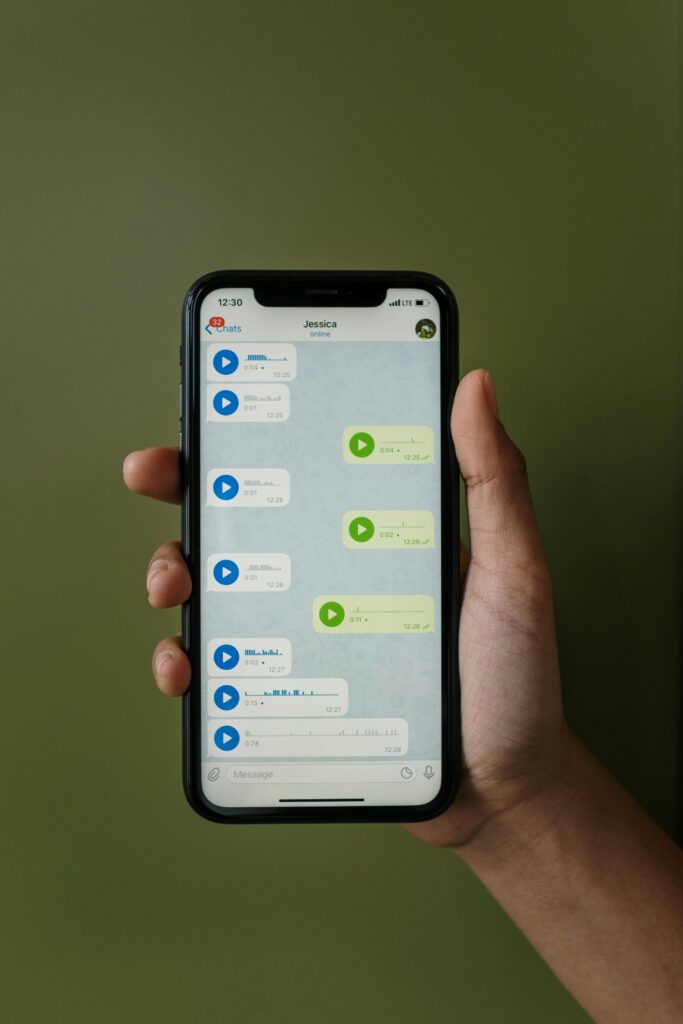
Text is useful, but voice notes can feel more personal.
A 30-second voice note from a program leader can create emotional connection.
Example voice note script:
“Hello friends, this is Miriam from the field team. I just wanted to say thank you. Today we delivered the first round of learning kits to the children, and the teachers were deeply grateful. We will send a few photos shortly. Your support is already moving.”
Voice notes work well when:
The message is personal
The audience is small
The sender is trusted
The update is emotional or urgent
Do not overuse them. Some donors prefer text because it is easier to scan.
Use WhatsApp Status and Channels Wisely
WhatsApp is not only one-to-one messaging.
Some organizations can use WhatsApp Status or Channels for broader updates. Meta has continued building tools around WhatsApp’s Updates tab, including features for businesses and creators.
For nonprofits, this can be useful for public-facing impact updates.
WhatsApp Status can show:
Behind-the-scenes photos
Event reminders
Volunteer activity
Campaign progress
Short thank-you videos
WhatsApp Channels can show:
Regular impact updates
Public announcements
Campaign milestones
Educational content
Community stories
However, personal donor communication should still feel personal. Do not replace direct stewardship with public posts only.
The strongest approach combines both:
Public updates for visibility
Private updates for donor trust
Protect Donor Privacy

Donor trust can be damaged quickly if privacy is ignored.
Never expose donor phone numbers in a group without permission.
For many donor updates, broadcast lists or official business messaging tools are safer than open groups. Open groups can reveal phone numbers and allow unwanted messages from other members.
Protect privacy by:
Getting opt-in
Avoiding public donor lists
Not sharing personal giving amounts
Using broadcast-style updates where possible
Giving an easy opt-out
Limiting admin access
Training staff on message rules
Privacy is not a technical detail. It is a trust signal.
Do Not Ask for Money in Every Update
One of the biggest mistakes nonprofits make is turning every communication into an appeal.
If every WhatsApp message asks for money, donors may stop reading.
A healthy donor update mix looks like this:
70% impact and gratitude
Show what is happening.
20% education and context
Explain the issue and why it matters.
10% direct fundraising
Ask when there is a clear need or next step.
This balance helps donors feel valued beyond their wallets.
That is central to how to Build Trust With Donors Using WhatsApp Updates. Donors should not feel like ATMs. They should feel like partners.
Share Micro-Reports
A micro-report is a short, simple summary of what happened.
It can fit inside one WhatsApp message.
Example:
“March donor update:
✅ 86 food packages delivered
✅ 14 volunteers involved
✅ 3 villages reached
✅ 41 children received school materials
Next focus: hygiene kits for families still displaced by flooding. Thank you for standing with the community.”
This kind of update is easy to read and easy to forward.
It also gives donors concrete proof without requiring them to download a long PDF.
Use Names and Personalization
A donor who receives a message beginning with their name feels more seen.
Example:
“Hi David, your March gift helped us reach the first 20 families this week. Thank you.”
Personalization does not have to be complex.
You can personalize by:
Name
Donation campaign
Location
Giving history
Interest area
Monthly donor status
But do not make personalization feel creepy. Keep it respectful and mission-focused.
Create a Clear Opt-Out Message
A donor should always know they can stop receiving updates.
This may feel scary, but it actually builds trust.
Add a simple line:
“Reply STOP anytime if you no longer want WhatsApp updates.”
This tells donors you respect their attention.
People are more likely to stay subscribed when they do not feel trapped.
Train Your Team Before Sending Messages

WhatsApp is easy to use, but donor communication still needs standards.
Before staff, interns, or volunteers send updates, create a simple guide.
Your guide should include:
Approved tone
Message length
Photo rules
Consent rules
Response time
Who can send appeals
Who handles complaints
How to record donor replies
How to escalate sensitive issues
A single careless message can damage a relationship. A simple guide prevents confusion.
Measure What Donors Respond To
You do not need complex analytics to learn from WhatsApp updates.
Track basic signals.
Watch for:
Which messages get replies
Which stories get forwarded
Which updates lead to repeat gifts
Which donors ask questions
Which donors go silent
Which message types cause opt-outs
This helps you improve.
The goal is not to chase vanity metrics. The goal is to understand what helps donors feel closer to the mission.
Sample WhatsApp Donor Update Templates
First donation thank-you
“Hi [Name], thank you for your gift to [Campaign]. We received it and are grateful. We will send you short updates so you can see how your support is helping.”
Field update
“Today, the team delivered [item/service] to [number] people in [location]. Your support helped make this possible. We will share another update once the next phase begins.”
Delay update
“Small update: the project is still moving, but [reason] caused a short delay. The new timeline is [date]. Thank you for your patience and trust.”
Impact story
“Meet [Name/Community]. Because of donor support, [result]. This is one example of what your giving is making possible.”
Monthly summary
“This month, your support helped us: [result 1], [result 2], [result 3]. Next month, we are focusing on [next step]. Thank you for being part of this work.”
These templates show How to Build Trust With Donors Using WhatsApp Updates without overwhelming the donor.
Common Mistakes to Avoid
Sending too many messages
Daily updates may feel exciting to your team, but exhausting to donors.
Using guilt-heavy language
Guilt may create one gift. Trust creates long-term giving.
Sharing unclear photos
A photo without context may confuse donors.
Ignoring replies
If a donor responds and nobody answers, trust drops.
Only communicating during campaigns
Donors should hear from you between asks, not only when you need money.
Making every message too long
WhatsApp is best for short, useful communication.
A Simple 30-Day WhatsApp Donor Trust Plan
Days 1–3: Clean your donor list
Check phone numbers, consent status, and donor interests.
Days 4–7: Write your message rules
Decide tone, frequency, photo policy, and opt-out language.
Week 2: Send a thank-you update
Start with gratitude, not an ask.
Week 3: Send one field story
Share one real example of impact.
Week 4: Send a micro-report
Summarize progress, results, and next steps.
At the end of 30 days, review replies and donor feedback.
This gives you a working system for how to Build Trust With Donors Using WhatsApp Updates without creating a heavy workload.
Also read:How to Use WhatsApp Fundraising to Raise More Money for Your Nonprofit
📲 Build Donor Trust with Better WhatsApp Updates
Trust grows when donors hear from you consistently — not only when you need support, but also when you have progress, stories, and gratitude to share.
WhatsApp can be a powerful trust-building tool because it feels direct and personal. But many churches and nonprofits struggle because:
- Their updates are irregular or unclear
- They only message donors when asking for help
- Supporters do not clearly see the impact of their giving
- Follow-up messages feel rushed or transactional
If you want donors to trust your organization more deeply, your WhatsApp updates need to do more than inform — they need to build connection and confidence.
✅ Get Free WhatsApp Outreach Scripts for Churches and Nonprofits
To help you communicate more effectively, we’ve created 15 ready-to-use WhatsApp outreach scripts you can start using right away.
These scripts help you:
- Start conversations naturally
- Share updates in a warm and personal way
- Tell impact stories that build trust
- Follow up thoughtfully without sounding repetitive
- Make donation asks with more clarity and confidence
- Thank supporters and invite long-term partnership
👉 Download the free WhatsApp outreach scripts here
💡 What’s Included
Inside, you’ll get scripts such as:
- First contact introduction
- Soft partnership outreach
- Donor introduction message
- Church outreach message
- Volunteer invitation
- Impact story message
- Donation request message
- Event invitation
- Grant funder introduction
- Follow-up message
- Major donor conversation starter
- CSR partnership outreach
- Community leader outreach
- Monthly partner invitation
- Thank you message
💡 Why This Works
Donor trust grows when WhatsApp updates:
- Feel personal instead of generic
- Show progress and impact clearly
- Include gratitude, not just requests
- Keep supporters connected to the mission over time
With the right scripts, you can stop guessing what to send and start using WhatsApp updates to build stronger donor relationships, deeper trust, and more consistent support.
Wrap Up: Trust Is Built in Small, Honest Moments
Donor trust does not come from one perfect campaign.
It comes from small, honest moments repeated over time.
A thank-you message.
A field photo.
A short update.
A clear explanation.
A respectful opt-out.
A real story.
A transparent delay notice.
A simple monthly result.
That is the power of how to Build Trust With Donors Using WhatsApp Updates.
WhatsApp works because it brings donors closer to the work. But the tool is only as good as the intention behind it. Use it to respect donors, not pressure them. Use it to show proof, not perform success. Use it to build relationships, not just raise money.
When donors can see what is happening, they are more likely to believe.
When they believe, they are more likely to stay.
When they stay, your mission becomes stronger.
FAQs About How to Build Trust With Donors Using WhatsApp Updates
1. What is the best way to start using WhatsApp for donor updates?
Start by asking donors for permission. Tell them what kind of updates they will receive, how often you will send them, and how they can opt out. Consent is the first step in how to Build Trust With Donors Using WhatsApp Updates.
2. How often should nonprofits send WhatsApp donor updates?
For most nonprofits, two to four updates per month is enough. Send more only during urgent campaigns or emergencies. The goal is to stay visible without becoming annoying.
3. Should we create a WhatsApp group for donors?
Usually, a broadcast list or official WhatsApp Business setup is better than an open group because it protects donor privacy. Groups can expose phone numbers and create unwanted conversations.
4. What should a WhatsApp donor update include?
A good update should include what happened, who benefited, why it matters, and what happens next. Add a photo, short video, or simple number when useful.
5. Can WhatsApp updates increase donor retention?
They can support donor retention when used well. Donors are more likely to stay connected when they receive timely, honest, and meaningful updates after giving.
6. Is it okay to ask for donations through WhatsApp?
Yes, but not in every message. Most WhatsApp updates should focus on gratitude, impact, and transparency. Direct appeals should be limited and clearly connected to a real need.
7. How can small nonprofits manage WhatsApp updates with limited staff?
Use a simple monthly calendar. Prepare four types of messages: thank-you, field update, story, and micro-report. This keeps communication consistent without overwhelming the team.
8. What kind of photos should nonprofits send to donors?
Send photos that show dignity, progress, and real work. Avoid images that exploit suffering or reveal sensitive personal information. Always get consent when needed.
9. What should we do when a project is delayed?
Tell donors the truth. Explain what caused the delay, what is being done, and when they can expect the next update. Honest delay messages often build more trust than silence.
10. Why is How to Build Trust With Donors Using WhatsApp Updates important for nonprofits?
Because donors want to see what happens after they give. How to Build Trust With Donors Using WhatsApp Updates helps nonprofits turn one-time gifts into stronger relationships by showing proof, gratitude, transparency, and progress in a channel donors already use.