
Fiscal Sponsorship vs Starting a Nonprofit: Starting a social impact project is exciting. You have a mission, a vision, and the desire to make real change. But one major question stops many founders early:
Should you use fiscal sponsorship or start a nonprofit?
This decision affects your funding, legal responsibilities, growth speed, donor trust, and long-term sustainability.
Many grassroots founders rush into nonprofit registration without understanding the hidden costs and operational burden. Others stay under fiscal sponsorship too long and struggle to build independence.
In this guide, you’ll learn:
- What fiscal sponsorship means
- How it compares to starting a nonprofit
- The pros and cons of both options
- Which model works best in different situations
- How to avoid expensive mistakes early
If you’re building a community initiative, charity, youth program, education project, or advocacy organization, this article will help you choose the right path.
What Is Fiscal Sponsorship?
Fiscal sponsorship is an arrangement where an existing registered nonprofit allows your project to operate under its legal and tax-exempt status.
Instead of registering your own nonprofit immediately, you partner with a sponsor organization that handles administrative and legal responsibilities.
This allows your project to:
- Receive tax-deductible donations
- Apply for grants
- Launch faster
- Reduce startup costs
- Focus more on programs
In simple terms, fiscal sponsorship lets you “borrow” the nonprofit status of an established organization.
What Does It Mean to Start a Nonprofit?
Starting a nonprofit means creating an independent legal organization with its own:
- Board of directors
- Governance structure
- Tax registrations
- Bank account
- Compliance systems
- Reporting responsibilities
You become fully responsible for operations, finances, fundraising compliance, and organizational management.
While this gives more control, it also creates more work and costs.
Fiscal Sponsorship vs Starting a Nonprofit: The Main Difference
The biggest difference between fiscal sponsorship vs starting a nonprofit is this:
- Fiscal sponsorship helps you start quickly with lower risk.
- Starting a nonprofit gives you full independence and ownership.
The better option depends on your goals, funding readiness, and operational capacity.
When Fiscal Sponsorship Makes More Sense

Fiscal sponsorship is often the smarter option during the early stages of a project.
1. You Want to Launch Quickly
Registering a nonprofit can take months depending on your country.
Fiscal sponsorship allows you to start fundraising and operating almost immediately.
This is especially useful for:
- Emergency response programs
- Community pilot projects
- Youth initiatives
- Short-term campaigns
2. You Have Limited Administrative Capacity
Many founders are passionate about impact but overwhelmed by compliance work.
Running a nonprofit includes:
- Annual filings
- Financial reporting
- Payroll
- Audits
- Governance meetings
- Tax compliance
Fiscal sponsorship reduces this burden significantly.
3. You Want to Test Your Idea First
Not every idea needs a full nonprofit structure immediately.
Fiscal sponsorship gives you room to validate:
- Community demand
- Funding potential
- Program effectiveness
- Leadership capacity
This reduces the risk of creating an organization before proving sustainability.
4. You Need Grant Eligibility Faster
Many grantmakers only fund registered nonprofits.
Through fiscal sponsorship, your project can often qualify for funding opportunities sooner.
This is one reason many early-stage organizations choose fiscal sponsorship before formal registration.
The Downsides of Fiscal Sponsorship
While fiscal sponsorship has advantages, there are tradeoffs too.
Limited Independence
Your sponsor may control:
- Financial approvals
- Branding decisions
- Grant management
- Certain operational processes
Some founders eventually feel restricted.
Administrative Fees
Most sponsors charge fees between 5% and 15% of funds raised.
This supports compliance and management services.
Over time, these fees can become expensive if your project grows substantially.
Less Organizational Ownership
Under fiscal sponsorship, your project may legally belong to the sponsor organization depending on the agreement structure.
That’s why reviewing sponsorship contracts carefully matters.
Also Read: How to Approach a Fiscal Sponsor and Get a YES
When Starting a Nonprofit Is Better

There are situations where building an independent nonprofit is the right move.
1. You Have a Long-Term Vision
If you plan to operate for many years, building your own organization creates stronger long-term infrastructure.
This helps with:
- Institutional partnerships
- Legacy building
- Strategic growth
- Brand ownership
2. You Want Full Control
Starting a nonprofit gives you complete authority over:
- Programs
- Staffing
- Governance
- Partnerships
- Financial decisions
For some founders, this flexibility is essential.
3. You Already Have Strong Funding Potential
If you already have:
- committed donors
- grant opportunities
- corporate partnerships
- operational systems
then creating an independent nonprofit may make sense sooner.
4. You Need Organizational Credibility
Some large funders prefer established nonprofits with:
- audited financials
- governance structures
- strategic plans
- compliance history
While fiscal sponsorship can still work, independent nonprofits sometimes appear more stable to institutional funders.
The Hidden Costs of Starting a Nonprofit
Many founders underestimate the operational weight of nonprofit management.
Starting a nonprofit often includes:
- Legal registration fees
- Accounting systems
- Annual compliance costs
- Staff management
- Board governance
- Audit preparation
- Fundraising systems
Without strong systems, founders can burn out quickly.
This is why many experienced nonprofit leaders now recommend starting lean before scaling.
A Smarter Way to Think About Growth

One of the biggest mistakes social entrepreneurs make is assuming bigger structure equals bigger impact.
In reality:
Sustainable systems create sustainable impact.
Sometimes fiscal sponsorship helps organizations focus on mission before infrastructure.
Other times, independent registration helps unlock larger opportunities.
The key is choosing the structure that matches your current stage.
Fiscal Sponsorship vs Starting a Nonprofit: Questions to Ask Yourself
Before deciding, ask:
Do I have stable funding?
If not, fiscal sponsorship may reduce financial risk.
Do I have operational experience?
If compliance and administration feel overwhelming, fiscal sponsorship can help you learn gradually.
Is this a long-term organization or a pilot project?
Temporary or experimental initiatives often benefit from fiscal sponsorship first.
Can I manage governance responsibilities?
Starting a nonprofit requires active board oversight and accountability systems.
Real-World Example
Imagine two founders:
Founder A
Starts an independent nonprofit immediately.
Within one year they struggle with:
- reporting deadlines
- donor management
- compliance confusion
- staffing pressure
Most of their energy shifts away from community impact.
Founder B
Uses fiscal sponsorship first.
They spend two years:
- testing programs
- building donor relationships
- improving operations
- proving impact
Then they transition into an independent nonprofit with stronger systems.
Often, Founder B builds more sustainably.
A Practical Hybrid Approach
Many successful organizations follow this path:
Phase 1:
Operate under fiscal sponsorship
Phase 2:
Build systems and fundraising capacity
Phase 3:
Transition into independent nonprofit status
This approach lowers risk while preserving long-term growth potential.
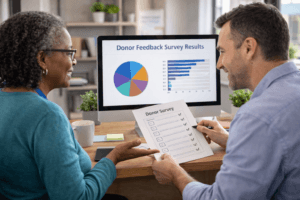
Free Resource: Donor Explanation Letter

One challenge many early-stage organizations face is explaining their structure to donors clearly.
If you’re using fiscal sponsorship, donors may ask:
- Why are donations processed through another organization?
- Is my donation still tax deductible?
- How is accountability managed?
To help with this, you can access this free donor explanation letter template.
This resource helps organizations communicate professionally and build donor confidence early.
Paid Resource: Nonprofit Starter Bundle
Whether you choose fiscal sponsorship or nonprofit registration, having the right systems matters.
This nonprofit starter bundle includes practical templates and tools for:
- fundraising
- donor communication
- nonprofit planning
- grant preparation
- outreach systems
For many grassroots founders, these templates reduce confusion and save hundreds of hours.
Fiscal Sponsorship vs Starting a Nonprofit
There is no universal answer in the debate around fiscal sponsorship vs starting a nonprofit.
The best choice depends on:
- your funding readiness
- operational capacity
- growth timeline
- leadership experience
- long-term goals
For many early-stage projects, fiscal sponsorship offers a faster and lower-risk path.
For mature initiatives with strong systems and funding, starting a nonprofit may provide greater independence and scale opportunities.
The most important thing is not choosing the “perfect” structure.
It’s building a sustainable mission that can grow over time.
Start where you are. Build systems gradually. Focus on impact consistently.
That approach usually creates stronger organizations in the long run.
FAQs
1. What is fiscal sponsorship?
Fiscal sponsorship is when an existing nonprofit allows a project to operate under its tax-exempt status and legal structure.
2. Is fiscal sponsorship cheaper than starting a nonprofit?
Usually yes. Fiscal sponsorship reduces startup and compliance costs significantly.
3. Can fiscally sponsored projects apply for grants?
Yes. Many grantmakers allow fiscally sponsored projects to apply through the sponsor organization.
4. How long should you stay under fiscal sponsorship?
Some projects remain sponsored permanently, while others transition into independent nonprofits after building capacity.
5. What are the risks of fiscal sponsorship?
Risks include limited control, sponsor fees, and dependency on another organization.
6. Is starting a nonprofit difficult?
It can be. Managing compliance, reporting, governance, and fundraising requires substantial effort.
7. Can a fiscally sponsored project hire staff?
Yes, though staffing structures depend on the sponsorship agreement.
8. Which option is better for new founders?
For many beginners, fiscal sponsorship offers a lower-risk starting point.
9. Do donors trust fiscally sponsored projects?
Yes, especially when the sponsorship relationship is explained clearly and professionally.
10. Can you transition from fiscal sponsorship to an independent nonprofit?
Yes. Many successful organizations start under fiscal sponsorship before registering independently.