
You Can Raise Global Support Before Formal NGO Registration — But You Need Structure, Trust, and Compliance
Many community leaders begin with a problem, not paperwork.
Maybe you are helping children stay in school. Maybe you are supporting widows, refugees, young entrepreneurs, climate projects, or health outreach in your community. People abroad want to help. A friend in the U.S., U.K., Canada, Europe, or Australia asks, “How can I donate?”
Then the difficult part begins.
You do not yet have a registered NGO. You may not have tax-exempt status. You may not have a charity bank account. You may only have a local team, a real mission, photos, receipts, and a growing need.
So the question becomes: how do you receive international donations without a registered NGO in a way that is legal, transparent, and trustworthy?
The answer is: yes, it is possible, but you should not treat international donations like casual personal transfers. Donors, banks, payment processors, and regulators care about where money comes from, where it goes, and how it is used.
To receive international donations without a registered NGO, you need one of three practical paths:
- Work through a fiscal sponsor or registered partner.
- Use compliant payment tools that allow your situation.
- Build clear documentation until you are ready to register.
This guide explains how to do it responsibly.
Why International Donors Hesitate When You Are Not Registered
Most donors are not trying to make things difficult. They are trying to reduce risk.
When someone gives money across borders, they may worry about:
- Whether the project is real.
- Whether the funds will reach the right people.
- Whether they can get a tax receipt.
- Whether the money will be misused.
- Whether the transfer will trigger banking or compliance issues.
This is why registration matters. A registered nonprofit, NGO, charity, community-based organization, or social enterprise gives donors a clearer legal identity to trust.
But registration is not always quick. In some countries, it can take months. In others, the process is expensive, slow, or confusing. That does not mean your work must stop.
It means you need a bridge.
The Safest Bridge: Use a Fiscal Sponsor

A fiscal sponsor is usually a registered nonprofit that agrees to receive and manage funds for a charitable project that does not yet have its own registration or tax-exempt status. The National Council of Nonprofits describes fiscal sponsorship as a relationship where a nonprofit provides fiduciary oversight, financial management, and administrative support to help charitable projects operate.
This is one of the best ways to receive international donations without a registered NGO because the donor gives to a recognized organization, while your project benefits from the funds under an agreement.
How Fiscal Sponsorship Works
In simple terms:
The donor gives to the fiscal sponsor.
The fiscal sponsor records the donation.
The sponsor may deduct an administrative fee.
The sponsor releases funds for your approved project activities.
You submit receipts, reports, budgets, and updates.
This creates a layer of accountability. It also reassures donors that someone with legal responsibility is watching over the money.
Fiscal sponsorship is especially useful when:
- You are testing a new project.
- You are waiting for registration.
- You want to fundraise internationally.
- You need donor confidence quickly.
- You want stronger financial controls.
Some organizations also support international giving specifically. For example, CAF America says it helps make international giving safer and easier for U.S. donors by managing cross-border grantmaking, compliance, and risk.
What to Look for in a Fiscal Sponsor
Do not choose a sponsor only because they are willing to receive money.
Look for a partner that offers:
- A written agreement.
- Clear fees.
- Transparent reporting rules.
- A proper bank account.
- Donor receipt processes.
- Experience with cross-border transfers.
- Alignment with your mission.
A weak sponsorship arrangement can create confusion. A strong one can help you receive international donations without a registered NGO while building donor trust from day one.
Partner With a Registered Local Organization

Another option is to partner with a registered NGO, church, school, association, foundation, or community-based organization in your country.
This can work well when the partner already has:
- Legal registration.
- A bank account.
- Local credibility.
- Financial controls.
- Experience managing donor funds.
In this model, the partner receives donations for a specific project and then implements or transfers approved project funds according to a written agreement.
This is different from casually asking a friend to receive donations for you. A formal partner should understand accountability, recordkeeping, and donor reporting.
Create a Simple Partnership Agreement
Before money moves, write down the basics.
Your agreement should answer:
- Who owns the project?
- Who receives the donations?
- What activities will the money support?
- Who approves spending?
- What fees are charged?
- How often will reports be shared?
- What happens if the partnership ends?
This agreement protects both sides. It also helps international donors feel more confident.
To receive international donations without a registered NGO, you need to show that your project is not informal chaos. You need to show order.
Use Donation Platforms Carefully
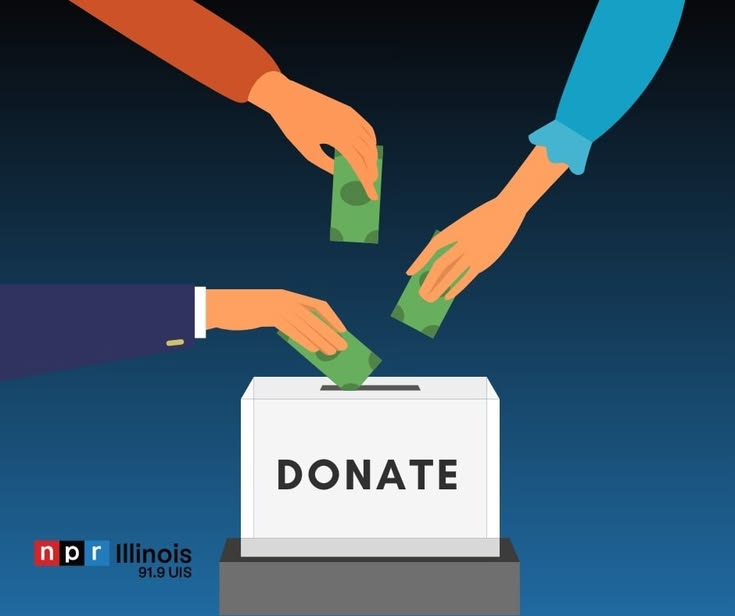
Many people try to use PayPal, Stripe, GoFundMe, Givebutter, Donorbox, or bank transfers immediately. These tools can be helpful, but they often require proper identity verification.
PayPal’s nonprofit setup guidance says an authorized representative usually signs up for a business account and confirms charity status to access nonprofit features. Stripe also serves nonprofits and supports donation payment infrastructure, but nonprofit pricing or charity-specific features may require proof of nonprofit status depending on the country and account type.
This matters because if you try to present yourself as a registered charity when you are not, your account may be frozen or rejected.
Personal Accounts Are Risky for Public Fundraising
A personal PayPal, Wise, bank, or mobile money account may work for a small gift from a friend. But it is risky for public fundraising.
Why?
Because public fundraising creates expectations. Donors expect receipts, updates, and clear separation between personal and project money. Payment processors may also question unusual activity, especially if many people from different countries send money to one individual.
To receive international donations without a registered NGO, avoid mixing personal living expenses and project funds. Even when you must use an individual account temporarily, create a paper trail.
Keep These Records From the Beginning
At minimum, track:
- Donor name.
- Donor country.
- Donation date.
- Amount received.
- Currency.
- Transfer fee.
- Purpose of gift.
- Amount spent.
- Receipt or invoice.
- Photos or proof of activity.
- Balance remaining.
This is not just bookkeeping. It is reputation protection.
A small grassroots project with clean records can look more trustworthy than a large organization with poor reporting.
Use a Dedicated Project Bank or Mobile Money Account Where Possible
In some countries, you may be able to open a group account, association account, business account, community project account, or social enterprise account before becoming a full NGO.
This depends on local law and banking rules.
The goal is simple: separate project money from personal money.
When donors see that funds go into a dedicated account, they are more likely to trust you. When your team sees a separate account, they are less likely to confuse personal spending with project spending.
Ask the Bank These Questions
Before opening an account, ask:
- Can this account receive international transfers?
- What documents are required?
- Can donors send via SWIFT, card, or mobile money?
- What fees apply?
- Can the account name reflect the project?
- Are there limits on incoming funds?
- What reporting is required?
This step helps you receive international donations without a registered NGO without accidentally violating banking rules.
Build a Donor Trust Page
Even before you register, create a simple page that explains your work.
It can be on your website, a landing page, Google Doc, Notion page, or PDF.
Your donor trust page should include:
- Your mission.
- Your location.
- The problem you solve.
- Photos from the field.
- Your team members.
- Your partner or fiscal sponsor details.
- Your budget.
- Your donation instructions.
- Your reporting promise.
- Your contact information.
You can also link donors to broader fundraising education from Grassroots Digital Impact Africa’s fundraising resources where relevant.
Show the Before and After
Do not only say, “Please donate.”
Show donors what changes when they give.
For example:
Before: 30 girls miss school during their menstrual cycle.
After: donors fund reusable dignity kits, mentorship, and school retention support.
Before: youth have no access to digital skills.
After: donors fund internet access, laptops, and a community training program.
Before: families lack safe drinking water.
After: donors fund water filters, storage tanks, or borehole repairs.
This helps people understand why your project matters.
Be Clear About Tax Receipts
This is one of the most important parts of international fundraising.
If you are not registered, you usually cannot issue official charitable tax receipts. A donor may still give, but they may not receive tax benefits.
A fiscal sponsor or registered partner may be able to provide receipts if the donation is made to them and if they are legally allowed to do so. This is one reason fiscal sponsorship can help you receive international donations without a registered NGO more professionally.
Never promise tax deductibility unless you are certain.
Say this instead:
“Donations are received through our registered fiscal sponsor. Receipts are issued by the sponsor according to their policies.”
Or:
“We are not yet a registered NGO, so donations may not be tax-deductible. We provide project reports, receipts, and impact updates for transparency.”
Honesty builds trust.
Avoid These Common Mistakes

Many grassroots groups lose donor confidence because they rush.
Mistake 1: Using a Personal Account Without Explanation
If a donor sends money to a personal account with no written explanation, they may become uncomfortable later.
A better approach:
“Until registration is complete, donations are received through our project coordinator’s dedicated account. All funds are recorded separately, and monthly reports are shared with donors.”
That is not perfect, but it is clearer.
Mistake 2: Calling Yourself a Registered NGO When You Are Not
Do not use legal titles you do not have.
Avoid saying:
“We are a registered NGO.”
Instead, say:
“We are a community initiative currently working toward formal registration.”
This protects your credibility.
Mistake 3: No Budget
International donors want to know how much is needed and where the money goes.
A simple budget is better than a vague appeal.
Example:
- School supplies: $400
- Transport: $120
- Training materials: $180
- Volunteer meals: $100
- Reporting and documentation: $50
Total: $850
Now the donor understands the need.
Mistake 4: No Updates After Receiving Money
The fastest way to lose trust is silence.
After receiving donations, send updates even if the project is still in progress.
Share:
- What was received.
- What was purchased.
- Who benefited.
- What challenges came up.
- What happens next.
This turns one-time donors into repeat supporters.
When You Should Register the NGO
Receiving donations without registration can be a temporary step. It should not become a permanent excuse to avoid structure.
You should consider registration when:
- Donations are becoming regular.
- You want institutional grants.
- Donors ask for formal documents.
- You need a bank account in the organization’s name.
- You are hiring staff.
- You are signing contracts.
- You want long-term credibility.
Registration gives your work a stronger foundation. It may also open doors to embassies, foundations, government programs, and corporate partners.
Still, many strong organizations begin informally. The key is to build clean systems before the paperwork arrives.
A Simple 30-Day Plan to Receive International Donations Without a Registered NGO
Here is a practical path.
Days 1–5: Clarify the Project
Write one clear project summary.
Include:
- The problem.
- The people affected.
- The solution.
- The amount needed.
- The timeline.
- The person responsible.
This helps donors understand what they are funding.
Days 6–10: Choose Your Donation Route
Decide whether you will use:
- A fiscal sponsor.
- A registered local partner.
- A dedicated project account.
- A temporary individual account with clear documentation.
The best route is usually a fiscal sponsor or registered partner.
Days 11–15: Prepare Trust Documents
Create:
- Project budget.
- Team profile.
- Photos or proof of work.
- Donation instructions.
- Basic risk statement.
- Reporting schedule.
These documents make you look organized.
Days 16–20: Start With Warm Donors
Begin with people who already know you.
These may include:
- Friends abroad.
- Former volunteers.
- Diaspora supporters.
- Faith communities.
- Alumni groups.
- Professional networks.
Warm donors are more likely to trust an early-stage project.
Days 21–30: Report Publicly
After donations arrive, share a simple update.
Show:
- Amount raised.
- Activities completed.
- Receipts summary.
- Photos.
- Next funding gap.
This makes the next fundraising round easier.
If you want to receive international donations without a registered NGO, your first goal is not just getting money. Your first goal is proving that money is safe with you.
Best Donation Methods for Unregistered Grassroots Projects

There is no single best method for everyone. The right option depends on your country, donor location, amount raised, and legal status.
Fiscal Sponsor
Best for serious fundraising, donor confidence, and tax receipt possibilities.
Registered Partner Organization
Best when you have a trusted local NGO, church, school, or foundation willing to support the project.
Crowdfunding Platform
Best for public campaigns, personal networks, and urgent community needs. Always check whether the platform allows your country and legal status.
Bank Transfer
Best for larger donors who want a formal paper trail. Make sure the account can receive international funds.
Mobile Money
Best for local and diaspora donors familiar with mobile transfers. Keep clear records.
Payment Processor
Best when you have a website or donation page. Confirm eligibility before presenting yourself as a nonprofit.
Also read:African NGO Grants Without U.S. or EU Registration
How to Write a Donation Appeal When You Are Not Registered
Your wording matters.
Here is a simple structure:
“We are a community-led initiative supporting [group] in [location]. We are currently working toward formal registration. Until then, donations are received through [fiscal sponsor/registered partner/dedicated account]. Every donation is recorded, and donors receive updates showing how funds are used.”
This is honest. It does not hide your status. It also shows that you have a system.
You can then add:
“Your donation of $25 provides school materials for one child.”
Or:
“Your donation of $100 supports one community training session.”
Specific giving amounts help donors act quickly.
🌍 Receive International Donations More Confidently with the Right Documentation
Not having a registered NGO does not always stop you from receiving international support. What often matters most is whether you can clearly explain your structure, build donor confidence, and present your work professionally.
Many grassroots groups and early-stage organizations struggle because:
- Donors do not understand how the organization is structured
- There is uncertainty about where funds will go
- Communication around accountability is unclear
- The organization lacks the supporting documents funders expect
If you want to receive international donations more confidently, you need documentation that builds trust from the very beginning.
✅ Start with the Free Donor Explanation Letter
To help you communicate your structure clearly, we’ve created a Donor Explanation Letter you can use to explain how your organization operates and how donor funds will be handled.
This free resource will help you:
- Explain your setup in a professional way
- Build trust with international donors
- Reduce confusion around accountability and fund flow
- Present your organization more clearly and confidently
👉 Download the free donor explanation letter here
🚀 Upgrade: Nonprofit Templates Bundle (37 Templates)
If you want a more complete documentation system for fundraising, donor communication, proposals, planning, and reporting, get the Nonprofit Templates Bundle.
💡 What’s included:
- 5 concept note templates
- Full project proposal and grant report templates
- UN Logframe, Logical Framework Matrix, and Theory of Change templates
- USAID Monitoring & Evaluation Framework + M&E Plan
- Nonprofit budget, work plan, and project timeline templates
- Risk management, sustainability, and communication plan templates
- Stakeholder analysis, gender analysis, and environmental impact templates
- Executive summary and impact assessment templates
- Sponsorship proposal and event proposal templates
- Capacity building plan and partnership agreement templates
- 7 fiscally sponsored organization templates, including grant proposal, budget, agreement, narrative, financial reporting, donor letter, and progress report
👉 Get the full nonprofit templates bundle here
💡 Why This Matters
International donors are more likely to give when they understand:
- Who you are
- How your organization operates
- How funds will be managed
- How you will report on impact and accountability
With the right templates, you can:
- Communicate your structure more clearly
- Build donor trust faster
- Strengthen your fundraising readiness
- Operate more professionally even before full registration
You may not have a registered NGO yet — but you can still build the clarity and credibility donors need to say yes.
Wrap Up: You Can Start Before Registration, But Do It Properly
You can receive international donations without a registered NGO, but you must take trust seriously.
Do not rush into public fundraising with only a personal account and a hopeful message. Build a simple structure first.
The best path is usually to work with a fiscal sponsor or registered partner. If that is not possible yet, separate your funds, keep clean records, explain your legal status honestly, and report back consistently.
Donors do not expect you to be perfect on day one. But they do expect honesty, clarity, and proof that their money is helping real people.
Start small. Document everything. Share updates. Build trust. Then, when your work grows, formal registration becomes the next natural step — not a desperate scramble.
That is how grassroots leaders can receive international donations without a registered NGO while protecting their mission, donors, and reputation.
FAQs About How to Receive International Donations Without a Registered NGO
1. Can I receive international donations without a registered NGO?
Yes, you can receive international donations without a registered NGO, but you need a clear and responsible structure. The safest options are using a fiscal sponsor, partnering with a registered organization, or creating a dedicated project account with strong records.
2. Is it legal to receive international donations without a registered NGO?
It depends on your country’s laws, the donor’s country, the transfer method, and how the money is used. You should check local rules and avoid claiming to be a registered charity if you are not.
3. What is the safest way to receive international donations without a registered NGO?
The safest way to receive international donations without a registered NGO is usually through a fiscal sponsor or registered partner. This gives donors more confidence and creates better financial oversight.
4. Can I use my personal bank account for donations?
You can in some cases, but it is not ideal. If you must use a personal account temporarily, keep project funds separate, record every transaction, and explain the arrangement clearly to donors.
5. Can PayPal be used to receive international donations without a registered NGO?
PayPal may allow business or personal payments depending on your country and account type, but nonprofit features usually require charity verification. Do not claim nonprofit status unless you can prove it.
6. Can Stripe be used by an unregistered project?
Stripe supports payment processing for many organizations, including nonprofits, but eligibility depends on your country, account type, and documentation. Charity-specific benefits may require proof of nonprofit status.
7. What is a fiscal sponsor?
A fiscal sponsor is a registered nonprofit that receives and manages funds for a charitable project that may not have its own legal status yet. This can help you receive international donations without a registered NGO while maintaining oversight and accountability.
8. Can international donors get tax receipts if I am not registered?
Usually, you cannot issue official charitable tax receipts if you are not registered. However, a fiscal sponsor or registered partner may be able to issue receipts if donations are made through them.
9. What records should I keep for international donations?
Keep donor names, dates, amounts, currencies, fees, spending records, receipts, photos, reports, and remaining balances. Good records help you receive international donations without a registered NGO in a more trustworthy way.
10. When should I register my NGO?
You should consider registration when donations become regular, donors ask for formal documents, you need an organization bank account, or you want to apply for institutional grants. Registration helps you move from informal fundraising to long-term sustainability.