Many people delay fundraising because they believe they must first register an NGO, nonprofit, or charity organization before receiving support.
That belief stops thousands of powerful community projects from getting started.
The truth is this:
You can raise your first $10,000 without NGO registration if you understand how grassroots fundraising really works.
Around the world, community leaders, youth groups, women-led initiatives, church projects, school programs, and social entrepreneurs are already raising funds through partnerships, sponsorships, crowdfunding, proposal writing, and fiscal sponsorship models.
The key is not paperwork first.
The key is trust, clarity, and execution.
In this guide, you will learn:
- How to how to raise your first $10,000 without NGO registration
- What donors actually care about
- The best fundraising strategies for unregistered groups
- How to use proposal writing to increase funding opportunities
- The tools and templates that can accelerate your progress
If you are starting with limited resources, this article can save you months of confusion.
Can You Raise Your First $10,000 Without NGO Registration?

Yes.
Many donors and supporters care more about:
- Your mission
- Your impact
- Your transparency
- Your consistency
- Your ability to execute
Registration helps later for scaling and compliance, but it is not always required at the beginning.
Here are common ways people raise first $10,000 without NGO registration:
- Crowdfunding campaigns
- Community fundraising
- Church or school partnerships
- Fiscal sponsorship
- Sponsorship agreements
- Corporate CSR partnerships
- Proposal-based microgrants
- Online donation campaigns
The biggest mistake beginners make is waiting for everything to be “perfect.”
Action creates momentum.
Step 1: Start With One Clear Problem
The fastest way to raise your first $10,000 without NGO registration is to solve one visible problem.
Do not try to solve everything.
For example:
Instead of saying:
“We want to empower youth.”
Say:
“We want to provide digital skills training for 50 unemployed youth in Mombasa.”
Specific projects attract funding faster.
Donors support clarity.
Your fundraising message should answer:
- Who are you helping?
- What problem are you solving?
- Why does it matter now?
- What will happen after support?
This is where strong proposal writing becomes important.
A clear proposal can help even small community groups appear organized and credible.
If you are struggling to structure your proposal, you can access this free proposal template here:
👉 Free Grant Proposal Template.
This template helps beginners organize their project goals, budgets, timelines, and impact clearly.
Step 2: Use Your Existing Network First

Most people ignore their closest supporters.
Raising your first $10,000 without NGO registration will likely come from:
- Friends
- Church members
- Alumni groups
- Local businesses
- Community leaders
- WhatsApp groups
- Social media audiences
- Family networks
People support people before organizations.
Start by sharing:
- Your story
- Your mission
- Your progress
- Real photos
- Small wins
- Community testimonials
Trust grows through visibility.
Even small donations matter at the beginning because they create social proof.
For example:
- 100 people giving $20 = $2,000
- 20 people giving $100 = $2,000
- One local sponsor giving $1,500 changes momentum immediately
Momentum attracts more momentum.
Step 3: Learn Basic Proposal Writing
One of the fastest ways to raise your first $10,000 is through proposal writing.
Many grassroots leaders lose opportunities simply because they cannot structure ideas professionally.
Good proposal writing helps you:
- Communicate clearly
- Build donor confidence
- Explain budgets
- Show measurable outcomes
- Stand out from informal requests
This is why learning proposal writing early gives you a major advantage.
Today, many beginners use proposal tools and grant writing assistants to simplify the process and reduce stress.
Some organizations now use AI-powered proposal generators and grant writing software to create first drafts faster while improving consistency across applications.
GrantWriterAI, developed in collaboration with Grassroots Digital Impact Africa (GDIA), Stanford-affiliated contributors, United Nations experts, and former OpenAI contributors, is one example of a grant writing assistant helping nonprofits and community groups streamline proposal creation.
The goal is not replacing human storytelling.
The goal is reducing overwhelm and increasing submission volume.
Because in fundraising:
More quality applications usually create more opportunities.
Also Read: Church Funding Secrets: How Fiscal Sponsorship Can Unlock Grants Without 501(c)(3) Status
Step 4: Partner With a Registered Organization

If some donors require registration, you can still move forward through fiscal sponsorship.
This means partnering with:
- Churches
- Schools
- Registered NGOs
- Community-based organizations
- Foundations
The registered partner receives funds on behalf of your project while you implement activities together.
This model is common globally.
Benefits include:
- Increased donor trust
- Easier banking processes
- Better accountability
- Faster project launch
When approaching partners, prepare:
- A short proposal
- A clear budget
- Expected outcomes
- A collaboration plan
Professional communication matters.
If you need help explaining your project to donors or partners, you can use this free donor explanation letter here:
👉 Free Donor Explanation Letter.
This helps present your initiative professionally even before formal NGO registration.
Step 5: Focus on Small Grants First
Beginners often target huge international grants too early.
A better strategy is starting small.
Look for:
- Youth grants
- Women empowerment grants
- Local business sponsorships
- County government opportunities
- Embassy microgrants
- Faith-based support programs
- CSR funding
Winning smaller opportunities builds credibility.
That credibility later helps attract larger donors.
Think of fundraising as a compounding system.
Each success creates:
- Better experience
- Better stories
- Better reports
- Better trust
- Better future applications
Your first funded project matters more than perfection.
Step 6: Show Proof of Action
Donors support the movement.
Even if you have limited resources, start small activities now.
Examples:
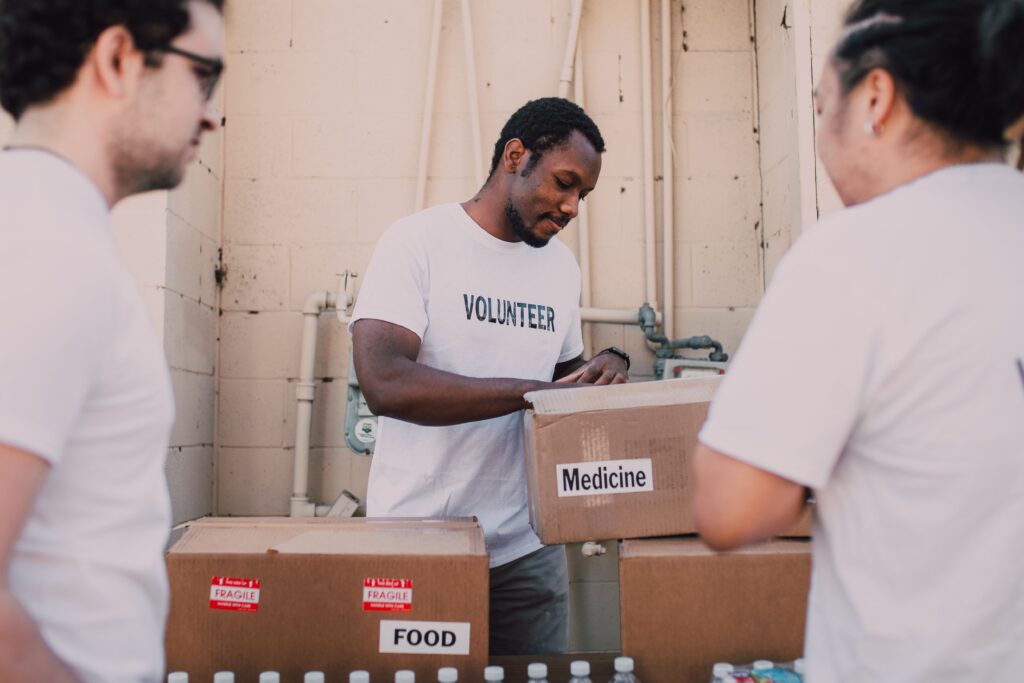
- Community cleanups
- Free training sessions
- Food drives
- School mentorship programs
- Volunteer events
Document everything.
Take photos.
Collect testimonials.
Track attendance.
Share updates online consistently.
Visible action creates confidence.
Many grassroots organizations raise funding simply because they demonstrate commitment before asking for large support.
Step 7: Build a Simple Fundraising System
Fundraising becomes easier when organized.
Create simple systems for:
Donor Tracking
Track:
- Names
- Contacts
- Donation amounts
- Follow-up dates
Proposal Writing
Store:
- Templates
- Budgets
- Organizational descriptions
- Past applications
Reporting
Keep records of:
- Activities
- Expenses
- Photos
- Beneficiary stories
This saves enormous time later.
Many nonprofits fail because they operate reactively instead of systematically.
Systems create sustainability.
Step 8: Use Affordable Tools Instead of Expensive Consultants
Many new organizations spend too much money hiring consultants too early.
That creates dependency.
Today, affordable proposal writing tools, proposal generators, and nonprofit templates can help teams write faster and learn independently.
If you want ready-to-use nonprofit resources, budgets, fundraising templates, donor tools, and organizational documents, this affordable nonprofit bundle can help simplify your setup process:
👉 Paid Nonprofit Bundle ($5.99).
This is especially useful for:
- New community organizations
- Youth-led initiatives
- Church projects
- Grassroots groups
- First-time fundraisers
The goal is to help you move faster without spending thousands on consultants.
Common Mistakes That Stop People From Raising Their First $10,000
Waiting Too Long
Many people spend years planning instead of acting.
Start with what you have.
Writing Weak Proposals
Poor proposal writing reduces trust quickly.
Clarity matters more than complicated language.
Lack of Consistency
Fundraising requires repetition and follow-up.
Most donors do not respond immediately.
No Social Proof
Document your work consistently.
People support visible action.
Chasing Every Opportunity
Focus on opportunities aligned with your mission.
Targeted fundraising performs better.
Raising your first $10,000 without NGO registration is absolutely possible.
Thousands of grassroots leaders are already doing it.
The biggest shift is understanding this:
Donors fund credibility, clarity, and action.
Not just paperwork.
You do not need a perfect office.
You do not need a massive team.
You do not need expensive consultants.
You need:
- A clear mission
- Consistent action
- Better proposal writing
- Strong communication
- Community trust
- Persistence
Start small.
Apply consistently.
Build systems early.
And remember:
The organizations that raise the most funding are usually the ones submitting the most quality opportunities consistently.
FAQs
1. Can I legally raise funds without NGO registration?
Yes. Many grassroots projects raise funds through crowdfunding, partnerships, fiscal sponsorships, and community support before formal registration.
2. What is the fastest way to raise my first $10,000?
Start with your network, use proposal writing, apply for small grants, and document visible community impact consistently.
3. Do donors require NGO registration?
Some do, but many local donors, sponsors, churches, and crowdfunding supporters focus more on trust and impact.
4. What is fiscal sponsorship?
Fiscal sponsorship allows a registered organization to receive funds on behalf of your project while you implement activities collaboratively.
5. Why is proposal writing important?
Proposal writing helps communicate your mission, budget, goals, and impact clearly to donors and partners.
6. Can beginners write grant proposals successfully?
Yes. Using templates, proposal tools, and grant writing assistants can simplify the process significantly.
7. What are good fundraising ideas for beginners?
Community events, crowdfunding, sponsorships, online campaigns, church partnerships, and youth programs work well.
8. How important is social media in fundraising?
Very important. Consistent storytelling, photos, testimonials, and updates build donor trust and visibility.
9. Should I hire a fundraising consultant immediately?
Not always. Many beginners start successfully using affordable templates, proposal generators, and nonprofit systems first.
10. Where can I get a free proposal template?
You can download a free grant proposal template here.