
You Can Raise Support Before Registration, But You Need the Right Structure
Many community leaders wait too long to start fundraising because they believe NGO registration must come first.
That belief slows down good work.
The truth is more practical: you can build a funding pipeline without NGO registration if you understand what donors need, how money can be received responsibly, and which opportunities fit your current legal status.
This does not mean ignoring the law. It means building a smart bridge between “we have an idea” and “we are a fully registered NGO.”
For early-stage founders, grassroots movements, youth groups, faith-based initiatives, community associations, and volunteer-led projects, this bridge matters. Registration can take time. Some countries require legal documents, board structures, annual filings, tax steps, bank accounts, or compliance reviews before an organization can operate formally.
But social problems do not pause while paperwork moves.
A funding pipeline without NGO registration helps you keep momentum. It lets you start with small donors, partners, pilot projects, fiscal sponsorship, in-kind support, and documented results. Then, when registration is complete, you already have a record of action.
A strong funding pipeline is not just a list of funders. It is a repeatable system that helps you identify opportunities, build relationships, submit the right asks, follow up, and report results.
Organizations such as the National Council of Nonprofits explain that fiscal sponsorship can allow charitable projects to operate under an established nonprofit that provides fiduciary oversight, financial management, and administrative support. That can be useful for unregistered or early-stage projects that are not yet ready to form a separate nonprofit.
Why NGO Registration Is Not Always the First Step

NGO registration is important. It gives your organization legal identity, credibility, and access to opportunities that require formal documents.
But registration alone does not create funding.
Many registered NGOs still struggle because they have no donor list, no proposal system, no proof of impact, and no relationship-building process. On the other hand, some unregistered initiatives attract support because they show real community need, strong leadership, trustworthy partners, and clear early results.
A funding pipeline without NGO registration helps you prove that your idea deserves long-term support.
Before donors fund structure, they often want to see evidence of seriousness:
Clear Problem
You must explain the issue in simple terms.
For example:
“Girls in our community are missing school because they lack sanitary products and safe support systems.”
That is clearer than:
“We empower vulnerable populations through holistic interventions.”
Clear Community
Who exactly do you serve?
Avoid broad claims like “we help everyone.” Be specific:
“We support 120 adolescent girls in three public schools in Kisumu County.”
Clear Offer
What do you actually do?
For example:
“We provide menstrual health education, reusable pad kits, parent sessions, and school-based referral support.”
Clear Proof
Even without registration, you can collect:
- Photos with consent
- Attendance sheets
- Testimonials
- Pre- and post-session feedback
- Partner letters
- Volunteer records
- Simple budgets
- Case stories
This evidence makes your funding pipeline without NGO registration stronger because donors can see movement, not just intention.
The Safest Way to Receive Funds Before NGO Registration
The biggest risk for unregistered initiatives is money handling.
Donors may ask:
- Who receives the money?
- Is there a bank account?
- Who signs agreements?
- Who is legally responsible?
- Can donations be tax-deductible?
- Who reports the spending?
This is why you should not casually collect funds into a personal account without clear records and written agreements. It can damage trust, create tax problems, or make partners uncomfortable.
A safer option is fiscal sponsorship.
The National Network of Fiscal Sponsors explains that fiscal sponsorship usually involves a nonprofit organization providing administrative services, oversight, and legal or financial accountability for mission-aligned work.
This means an existing registered nonprofit can receive funds for your project, manage the money, and help you report properly.
How Fiscal Sponsorship Works
A fiscal sponsor is usually a registered nonprofit that agrees to support your project because your work fits its mission.
For example, your unregistered youth mental health project may partner with a registered community health nonprofit. The sponsor receives the grant or donation, keeps records, and releases funds according to an agreed budget.
The sponsor may charge an administrative fee. This is normal because they are taking on responsibility.
A good fiscal sponsorship agreement should explain:
- The project name
- The mission alignment
- Who owns the funds
- Who approves spending
- The sponsor fee
- Reporting requirements
- Branding rules
- What happens if the partnership ends
The National Network of Fiscal Sponsors notes that the project’s mission should further the sponsor’s mission, and the sponsor must exercise control over funds received on behalf of the project.
This is important. A fiscal sponsor is not just a bank account. It is a legal and financial accountability relationship.
Build Your Funding Pipeline Without NGO Registration in 7 Steps
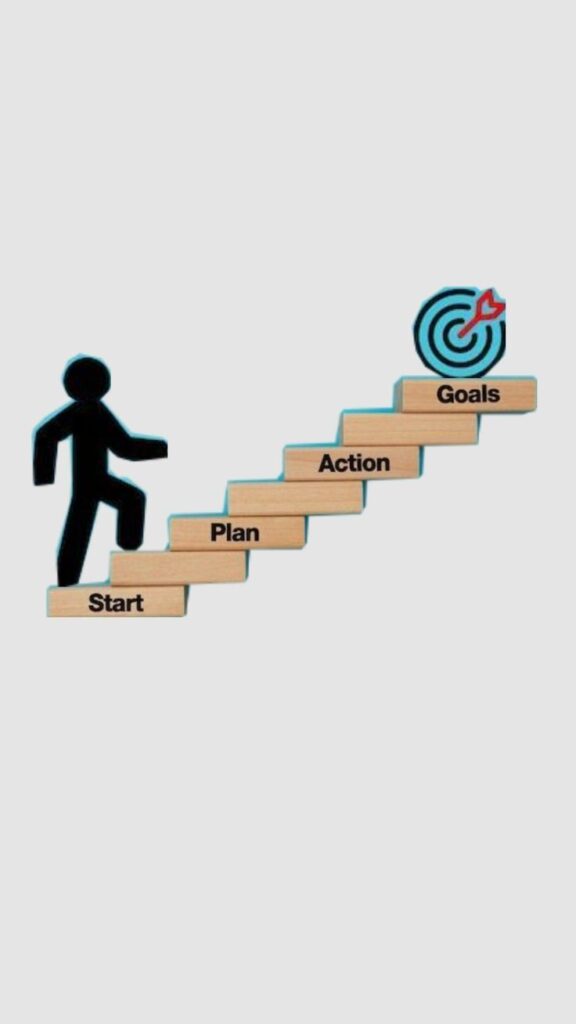
A funding pipeline without NGO registration should move from easiest funding to more complex funding.
Do not start with large institutional grants if you have no legal structure, no partner, no evidence, and no reporting system. Start where trust is easier to build.
Step 1: Define Your Funding Readiness Level
Before you approach donors, assess where you are.
You may be at one of four stages:
Idea Stage
You have identified a problem but have not yet tested a solution.
At this stage, focus on:
- Community listening
- Volunteer support
- Small personal contributions
- In-kind donations
- Local partnerships
Pilot Stage
You have tested an activity with a small group.
At this stage, focus on:
- Small grants
- Local businesses
- Individual donors
- Faith communities
- Crowdfunding
- Fiscal sponsorship
Proof Stage
You have early results.
At this stage, focus on:
- Foundation grants
- Corporate social responsibility support
- Giving circles
- Diaspora donors
- Partner-led grant applications
Growth Stage
You have repeatable results and documentation.
At this stage, registration becomes more urgent because bigger funders usually want formal legal documents, governance records, and financial statements.
A funding pipeline without NGO registration works best when you match your ask to your current stage.
Step 2: Create a Simple Case for Support
Your case for support is a short document that explains why your work deserves funding.
It should answer:
- What problem are you solving?
- Who is affected?
- What is your solution?
- Why are you credible?
- What results have you already achieved?
- What do you need funding for?
- How will you report back?
Keep it simple. Donors do not need a 40-page document at the start. They need clarity.
A strong one-page case for support can help you approach:
- Local donors
- Community leaders
- Small foundations
- Churches or mosques
- Schools
- Companies
- Diaspora groups
- Potential fiscal sponsors
This is also where proposal quality matters. If your initiative is applying through a sponsor or partner, a strong proposal can make the difference between being ignored and being shortlisted. Grassroots teams that need structure can use proposal templates or a grant proposal writing tool to organize their ideas before submitting through an eligible entity. For teams building a repeatable proposal workflow, GrantWriterAI can help turn project notes into donor-ready drafts while reducing the burden on staff, interns, and volunteers.
GrantWriterAI was developed in conjunction with Grassroots Digital Impact Africa, Stanford-affiliated contributors, United Nations experts, and former OpenAI contributors, which is especially relevant when teams need a more disciplined grant writing process.
Step 3: List Funders That Do Not Require Your Own Registration
Not every funder requires you to be a registered NGO.
Some may fund:
- Individuals
- Community groups
- Social enterprises
- Student groups
- Artists
- Researchers
- Faith-based groups
- Projects under fiscal sponsorship
- Projects applying through a registered partner
Your job is to build a prospect list.
For each opportunity, track:
- Funder name
- Website
- Deadline
- Eligibility rules
- Funding amount
- Required documents
- Whether fiscal sponsorship is allowed
- Whether individuals can apply
- Contact person
- Next action
This turns your funding pipeline without NGO registration into a working system.
Do not rely on memory. Use a spreadsheet, Airtable, Notion, Google Sheets, or a simple CRM.
Step 4: Build Partnerships With Registered Organizations

Partnership is one of the fastest ways to access funding before registration.
A registered NGO, school, church, cooperative, community-based organization, or social enterprise may already have:
- Legal status
- Bank account
- Donor history
- Financial systems
- Staff
- Local trust
- Reporting capacity
You may have:
- Community access
- A strong idea
- Volunteers
- Local data
- Lived experience
- Energy and urgency
Together, you can submit stronger applications.
A funding pipeline without NGO registration often grows faster when you stop trying to look fully established and instead become a valuable implementation partner.
What to Offer a Registered Partner
Do not approach partners only asking for help. Show what you bring.
You can offer:
- Community mobilization
- Field implementation
- Beneficiary identification
- Local language support
- Youth engagement
- Monitoring data
- Story collection
- Volunteer coordination
What to Request From a Registered Partner
Ask for specific support, such as:
- Fiscal sponsorship
- Joint proposal submission
- Permission to operate under a project agreement
- Mentorship
- Finance oversight
- Donor introductions
- Shared reporting systems
Put the agreement in writing. Even a simple memorandum of understanding is better than a verbal promise.
Step 5: Start With Small, Fast, Relationship-Based Funding
Early funding rarely comes from big grants. It often comes from people who already trust you.
This includes:
- Friends
- Family
- Local business owners
- Alumni groups
- Religious communities
- Diaspora members
- Community leaders
- Local philanthropists
- Professional networks
This kind of funding can support:
- Pilot events
- Transport
- Printing
- Food
- Training materials
- Internet bundles
- Venue costs
- Volunteer coordination
Small funding is not small if it creates proof.
For example, $300 may help you run a school workshop for 80 students. That workshop can produce photos, attendance records, teacher feedback, student reflections, and a small report. That evidence can help you apply for $3,000 later.
This is how a funding pipeline without NGO registration compounds.
You move from trust to proof, then from proof to larger trust.
Step 6: Build a Donor Follow-Up System
Most early-stage initiatives lose funding because they do not follow up.
They meet a potential donor, send one message, and disappear.
A funding pipeline needs rhythm.
Create five basic follow-up stages:
First Contact
Introduce the project and ask for advice, not money first.
Relationship Call
Explain the need, listen to the donor’s interests, and ask what kind of projects they support.
Soft Ask
Share a small funding need, such as sponsoring one workshop or one community activity.
Update
Send proof of progress after the activity.
Next Ask
Invite the donor to support the next stage.
This process makes your funding pipeline without NGO registration feel less desperate and more professional.
Donors like to see that you can communicate before, during, and after receiving support.
Step 7: Document Everything Like You Are Already Registered
This is a major difference between serious founders and casual groups.
Even before NGO registration, keep records.
Track:
- Every donation received
- Every expense
- Every receipt
- Every volunteer hour
- Every beneficiary reached
- Every partner meeting
- Every activity report
- Every donor conversation
This builds confidence.
The National Council of Nonprofits notes that charitable solicitation and fundraising compliance can vary by jurisdiction, and organizations may need to register before asking for donations depending on where they operate.
That means you should always check local rules before public fundraising. This blog is strategic guidance, not legal advice.
What Funders May Accept Instead of NGO Registration
When you are not registered, funders may request alternative proof.
Prepare these documents:
Project Profile
A two-page overview of your mission, team, target community, activities, and goals.
Founder CVs
Show the experience of the people leading the work.
Partner Letter
Ask a registered organization, school, or community leader to confirm your work.
Fiscal Sponsor Letter
If you have a sponsor, request a letter confirming the relationship.
Budget
Create a simple budget with clear cost lines.
Activity Report
Summarize what you have already done.
Safeguarding Policy
If you work with children, youth, or vulnerable groups, this is important.
Photos and Testimonials
Use consent. Do not exploit people’s stories.
Bank or Payment Plan
Explain how funds will be received and managed.
These documents make a funding pipeline without NGO registration more credible.
What Not to Do When You Are Not Registered

Avoid shortcuts that damage trust.
Do Not Pretend to Be Registered
Never claim NGO status if you do not have it.
Do Not Use Another Organization’s Documents Without Permission
This can destroy partnerships.
Do Not Mix Personal and Project Funds Casually
Where possible, use a sponsor, partner, or clearly documented system.
Do Not Apply for Grants You Are Not Eligible For
Read the rules before applying.
Do Not Publicly Fundraise Without Checking Local Laws
Fundraising rules vary by country, state, and region. In some places, asking the public for donations may trigger registration or disclosure requirements. Harbor Compliance notes that charitable solicitation requirements vary by jurisdiction, and many U.S. jurisdictions require registration before solicitation.
Even if you are outside the United States, the principle still matters: know the rules before you raise money publicly.
A Simple 90-Day Funding Pipeline Plan
Here is a practical 90-day plan to build a funding pipeline without NGO registration.
Days 1–15: Prepare Your Foundation
Create:
- One-page case for support
- Simple project budget
- Founder bios
- Beneficiary profile
- Evidence folder
- List of past activities
- Basic financial tracking sheet
Also identify whether you need fiscal sponsorship.
Days 16–30: Build Your Prospect List
Find 30 possible supporters:
- 10 individual donors
- 5 local businesses
- 5 foundations
- 5 registered NGO partners
- 5 community institutions
Sort them into warm, medium, and cold prospects.
Days 31–45: Start Relationship Outreach
Send short messages.
Do not begin with a long proposal. Ask for a conversation.
Example:
“Hello Jane, I’m working with a volunteer team supporting schoolgirls with menstrual health education in Kisumu. We are currently building partnerships before formal NGO registration. Could I share a short concept note and ask for your advice on possible support pathways?”
This feels respectful and opens the door.
Days 46–60: Secure a Sponsor or Partner
Meet registered organizations that align with your mission.
Ask:
- Do you offer fiscal sponsorship?
- Can we apply jointly for grants?
- What compliance documents do you require?
- What fees or reporting rules apply?
- Who controls funds?
- How are decisions made?
The National Network of Fiscal Sponsors advises projects to understand their scope of work so they can choose a fiscal sponsor that offers the right services.
Days 61–75: Submit Small Asks
Send 5 to 10 small funding requests.
Each request should be specific.
For example:
- “$250 will support one community dialogue.”
- “$500 will provide learning kits for 40 children.”
- “$1,000 will help us run a three-school pilot.”
Specific asks are easier to fund.
Days 76–90: Report and Upgrade
Send updates to every supporter.
Include:
- What happened
- Who benefited
- What changed
- Photos or quotes with consent
- What you learned
- What comes next
Then ask for the next level of support.
This is how a funding pipeline without NGO registration becomes sustainable.
When You Should Register the NGO
Building a funding pipeline without NGO registration is not a reason to avoid registration forever.
You should consider registration when:
- Funders keep asking for legal documents
- You are receiving regular donations
- You need a bank account in the organization’s name
- You are hiring staff
- You are signing contracts
- You are managing larger budgets
- You need formal governance
- You want long-term institutional funding
Registration should come when the work has enough traction to justify the structure.
The National Council of Nonprofits even suggests that some groups should consider whether fiscal sponsorship may be more practical and less expensive than starting a new nonprofit immediately.
That is a wise way to think.
Do not register just to feel official. Register when it helps you protect the mission, manage funds, and grow responsibly.
How Proposal Systems Help Before Registration
Even when you are not registered, you still need strong writing.
You may need:
- Concept notes
- Letters of inquiry
- Partner proposals
- Fiscal sponsor applications
- Small grant applications
- Donor updates
- Project reports
- Sponsorship letters
This is where many grassroots teams struggle. The founder knows the work deeply, but the proposal does not communicate the value clearly.
A simple proposal system helps your team avoid starting from zero every time.
Create reusable sections for:
- Problem statement
- Community background
- Project goal
- Activities
- Timeline
- Budget
- Monitoring plan
- Sustainability plan
- Team experience
- Partner role
You can also use proposal templates to speed up the writing process and make your applications more consistent.
A funding pipeline without NGO registration depends on clarity. Donors cannot support what they do not understand.
Common Funding Sources Before NGO Registration

Here are realistic sources to include in your pipeline.
Individual Donors
Best for early pilots and emergency needs.
Local Businesses
Best for community events, supplies, visibility, and sponsorship.
Faith Communities
Best for local trust, volunteers, small donations, and venues.
Diaspora Networks
Best for community-rooted causes with emotional connection.
Schools and Universities
Best for youth, education, research, and volunteer projects.
Registered NGO Partners
Best for joint grants and fiscal sponsorship.
Social Enterprises
Best for hybrid models where earned income supports impact.
Crowdfunding
Best when you have a strong story, clear target, and active network.
In-Kind Donors
Best for food, venues, transport, equipment, books, software, and supplies.
Small Grant Programs
Best when they accept informal groups, individuals, or fiscally sponsored projects.
A strong funding pipeline without NGO registration does not depend on one funder. It combines many small channels.
Also read:From Idea to Funded Project in 30 Days Using Fiscal Sponsorship
🌍 Build a Stronger Funding Pipeline — Even Without NGO Registration
You do not need to wait for full NGO registration to start building a real funding pipeline.
What matters most is whether your project is ready to be presented clearly, professionally, and consistently to potential donors, partners, and funders. Many grassroots initiatives struggle because:
- Their ideas are not yet packaged into a strong proposal
- They lack the documents needed to approach funders confidently
- They are always reacting to opportunities instead of preparing for them
- They spend too much time creating materials from scratch
If you want to build a funding pipeline without registration, you need systems that help you move from idea to opportunity more consistently.
✅ Start with the Free Proposal Template
To help you take the first step, we’ve created a free proposal template you can use to strengthen your funding readiness and present your work more clearly.
This free resource will help you:
- Organize your project idea professionally
- Communicate your goals and impact more clearly
- Build a stronger starting point for donor and grant outreach
- Save time and reduce proposal-writing guesswork
👉 Download the free proposal template here
🚀 Upgrade: Nonprofit Templates Bundle (37 Templates)
If you want a more complete system for building a funding pipeline, get the Nonprofit Templates Bundle.
💡 What’s included:
- 5 concept note templates
- Full project proposal and grant report templates
- UN Logframe, Logical Framework Matrix, and Theory of Change templates
- USAID Monitoring & Evaluation Framework + M&E Plan
- Nonprofit budget, work plan, and project timeline templates
- Risk management, sustainability, and communication plan templates
- Stakeholder analysis, gender analysis, and environmental impact templates
- Executive summary and impact assessment templates
- Sponsorship proposal and event proposal templates
- Capacity building plan and partnership agreement templates
- 7 fiscally sponsored organization templates, including grant proposal, budget, agreement, narrative, financial reporting, donor letter, and progress report
👉 Get the full nonprofit templates bundle here
💡 Why This Matters
A funding pipeline is not built only on registration — it is built on readiness.
With the right templates, you can:
- Prepare stronger materials before opportunities come
- Present your project more professionally
- Build confidence with donors and partners
- Create a more repeatable system for funding outreach
You may not have formal registration yet, but you can still build the structure, clarity, and credibility that a strong funding pipeline requires.
Wrap Up: Build the Pipeline Before You Build the Institution
You do not need to wait passively for NGO registration before building support.
You can start now by clarifying your mission, documenting your work, building partnerships, finding a fiscal sponsor, approaching small donors, and creating a repeatable proposal process.
A funding pipeline without NGO registration is not about shortcuts. It is about sequencing.
First, prove the need.
Then, prove the solution.
Then, prove trust.
Then, build the formal structure that can carry bigger funding.
The strongest organizations are not built by paperwork alone. They are built by action, evidence, relationships, and disciplined follow-up.
Registration can open doors. But a working pipeline gives you something powerful to carry through those doors.
FAQs About Building a Funding Pipeline Without NGO Registration
1. Can I raise money without NGO registration?
Yes, but it depends on your country, fundraising method, and donor type. You may be able to receive small private support, in-kind donations, or funding through a registered partner. Always check local laws before public fundraising.
2. What is the best way to receive funds before registration?
The safest route is often fiscal sponsorship or a formal partnership with a registered organization. This gives donors more confidence and creates better financial accountability.
3. Can I apply for grants without being a registered NGO?
Some grants allow individuals, informal groups, or fiscally sponsored projects to apply. Many institutional grants require registration, so always read eligibility rules carefully.
4. What is fiscal sponsorship?
Fiscal sponsorship is when a registered nonprofit supports a mission-aligned project by providing financial oversight, administrative support, and accountability. The sponsor usually receives and manages funds for the project.
5. Do I need a bank account to build a funding pipeline?
You need a clear way to receive and track funds. If you do not have an organizational bank account, consider using a fiscal sponsor or registered partner rather than mixing project money with personal funds.
6. How do I prove credibility without NGO registration?
Use partner letters, activity reports, photos with consent, testimonials, budgets, founder bios, attendance sheets, and simple financial records.
7. Should I register my NGO before looking for donors?
Not always. You can start building relationships, testing your idea, and collecting evidence before registration. But you should register when you begin managing larger funds, signing contracts, hiring staff, or applying for institutional grants.
8. Can a registered NGO apply for funding on my behalf?
Yes, if there is a clear partnership and your project aligns with its mission. Put the relationship in writing and agree on roles, budget control, reporting, and fees.
9. What should my first funding ask be?
Start small and specific. Ask for support for one activity, one pilot, or one clear community need. Small successful projects create proof for larger funding.
10. How do I keep my funding pipeline organized?
Use a simple tracker with funder names, deadlines, eligibility rules, contact people, next steps, application status, and follow-up dates. A funding pipeline without NGO registration works best when it is managed like a system, not a wish list.