
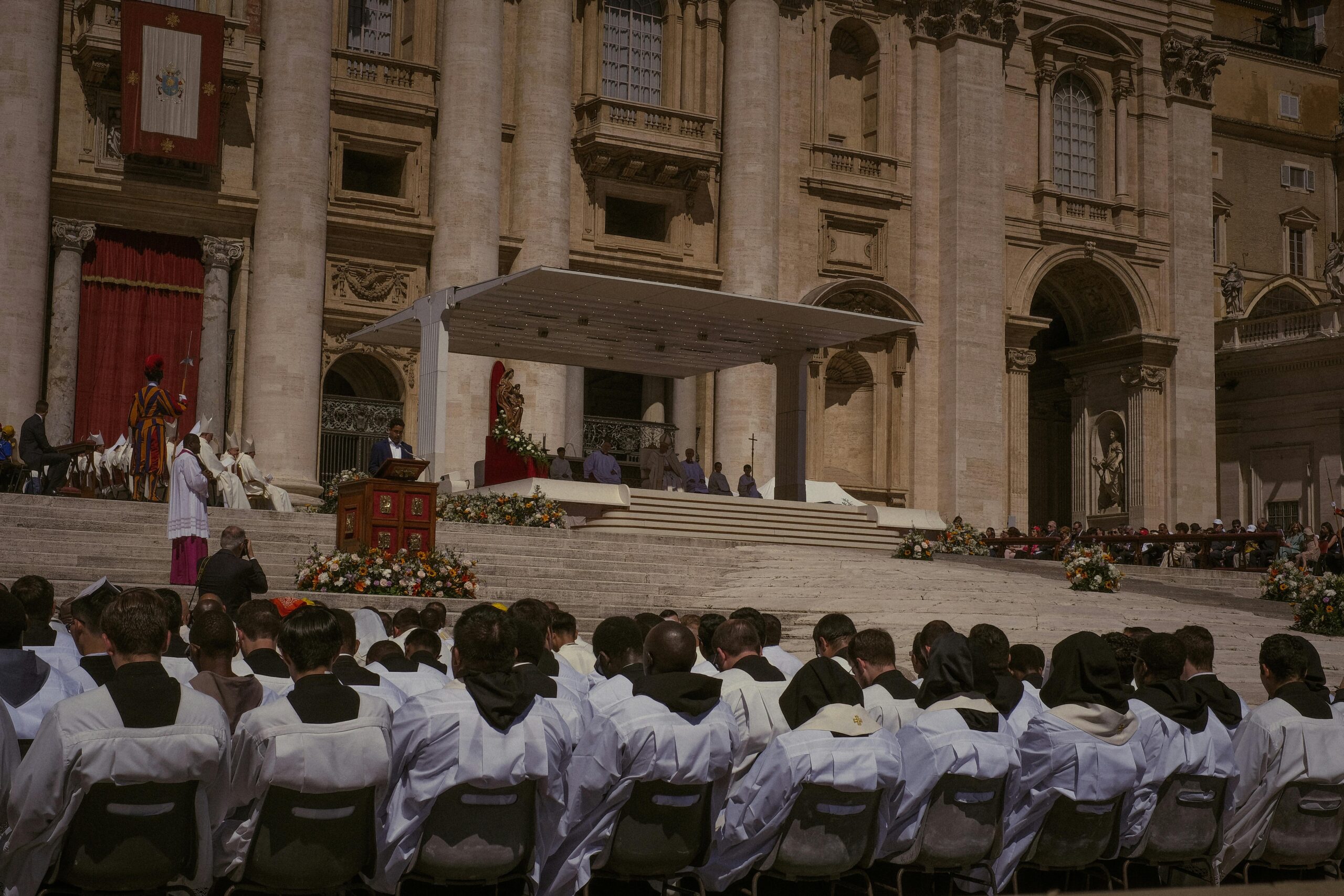
Many churches believe major grants are reserved for large nonprofits, universities, or secular organizations with professional grant writers. As a result, they never apply—or they apply once, get rejected, and stop trying. Yet every year, churches across the country quietly secure six- and seven-figure grants from foundations, corporations, and government agencies.
What separates churches that win from those that don’t isn’t theology, size, or luck. It’s strategy, clarity, and alignment.
This article shares 5 real-world stories of churches that won major grants and breaks down exactly why they succeeded. Each example highlights a different funding pathway—from community foundations to federal grants—and distills practical lessons you can apply immediately. If you’ve ever wondered whether churches like yours can truly compete for large grants, these stories will change how you see what’s possible.
What These Stories of Churches That Won Major Grants Have in Common
Before examining each individual example, it’s important to recognize a clear and repeatable pattern. These stories of churches that won major grants are not about unusually large congregations, celebrity pastors, or churches with full-time grant departments. They are about churches that fundamentally changed how they approached funding. The common thread is strategy—not scale.
Across all five stories, the churches consistently framed community problems, not internal or religious needs. Instead of asking funders to support ministry operations, they articulated clearly defined issues such as food insecurity, workforce gaps, health disparities, or youth outcomes—problems funders already existed to address. This shift immediately positioned the churches as community solutions rather than faith-based applicants seeking special consideration.
Each church also combined data with lived experience. They supported claims with credible statistics while using brief real-world context to demonstrate on-the-ground insight. This balance built both credibility and relevance. Additionally, they intentionally aligned language with funder priorities, mirroring the terms, outcomes, and frameworks funders used themselves. Reviewers didn’t have to translate or reinterpret the proposals—the alignment was obvious.
Strong outcomes and budgets reinforced that clarity. Each church showed exactly what would change, how success would be measured, and how funds would be used responsibly. Finally—and perhaps most importantly—they submitted consistently. None relied on a single proposal. They treated grant funding as a volume-based strategy, learning and improving over time.
The lesson is simple but powerful: funders fund clarity, not faith affiliation. When churches present themselves as capable, aligned, and outcome-driven partners, major funding becomes not only possible—but repeatable.
Story #1: A Small Urban Church Wins a $500,000 Community Foundation Grant
How Community Impact Outperformed Church Size

One of the most compelling stories of churches that won major grants comes from a 150-member urban church serving a low-income neighborhood—proof that size is not the determining factor in grant success. With limited staff and no history of large awards, this church might have appeared uncompetitive on paper. Yet it secured a $500,000 multi-year grant from a regional community foundation by fundamentally reframing how it presented its work.
Instead of asking funders to “support our ministry,” the church positioned itself as a solution to documented community problems. The proposal focused squarely on food insecurity and senior isolation—two priority areas explicitly listed in the foundation’s funding guidelines. The needs statement relied on local public health and census data, establishing credibility and urgency. Real-world experience was used sparingly to add context, not emotion.
Equally important, the church emphasized inclusive service delivery. The proposal made it clear that services were available to all residents regardless of faith affiliation. This removed a common funder concern and reinforced the church’s role as a community-serving institution. Strategic partnerships with local clinics and senior housing facilities further strengthened the application by demonstrating collaboration, efficiency, and shared accountability.
Ultimately, the foundation did not see a small church asking for help—it saw a trusted community anchor with infrastructure already in place, delivering outcomes that aligned perfectly with its mission. The proposal’s clarity, data alignment, and outcome focus outweighed any concerns about size.
What You Can Learn
Community foundations prioritize local impact, partnerships, and measurable outcomes—not congregation size. Churches that frame themselves as community solutions rather than religious recipients dramatically increase their competitiveness. When alignment and clarity are strong, even small churches can win major grants.
Story #2: A Rural Church Secures Federal Workforce Development Funding
Government Grants Are Not Off-Limits to Churches

Another powerful example among these stories of churches that won major grants comes from a rural church that secured over $1.2 million in federal workforce development funding—despite initially believing government grants were off-limits. This misconception is widespread among churches, particularly in rural areas, where legal uncertainty and lack of familiarity often prevent applications altogether. In this case, the church challenged that assumption and discovered a major funding opportunity.
The key to their success was precision and compliance. The church clearly separated religious activities from grant-funded programming, ensuring that all federal funds supported non-religious services such as job training, industry-recognized certifications, and employer partnerships. Their proposal followed federal guidelines exactly, from formatting to eligibility criteria. They relied on workforce data from state labor agencies to document need and framed outcomes around job placement and retention—metrics the agency already used to evaluate success.
Rather than viewing the church as a religious risk, the government agency saw it as a highly effective delivery partner. The church had deep relationships in underserved rural communities, existing facilities, and trusted access to populations that traditional agencies struggled to reach. That infrastructure made the church an asset, not a liability. The clarity of purpose, strict compliance, and outcome-driven design positioned the church as a capable steward of public funds.
What You Can Learn
Government agencies fund capacity, compliance, and outcomes. Churches are fully eligible when grant funds support non-religious services. Success depends on precision, data, and strict adherence to guidelines—not branding or organizational type.
Story #3: A Faith-Based Youth Program Wins Corporate Foundation Support
Corporate Funders Care About Alignment and Visibility
One of the most instructive stories of churches that won major grants comes from a church-run youth mentoring program that secured $250,000 from a Fortune 500 corporate foundation. This church did not win by emphasizing its faith identity or asking for general support. Instead, it focused on strategic alignment with the corporation’s stated business and community goals.
The church carefully reviewed the company’s corporate social responsibility (CSR) priorities and identified a strong overlap with its youth mentoring program. The proposal emphasized workforce pipeline development, highlighting outcomes such as youth skill acquisition, graduation rates, and career readiness. Rather than inventing new measures, the church used metrics the corporation already tracked internally, making evaluation feel familiar and credible to reviewers.

Visibility also mattered. The proposal highlighted opportunities for employee volunteer engagement, mentorship participation, and community recognition—elements that mattered to the corporation’s brand and internal culture. Faith language was intentionally minimal, while impact language dominated. This didn’t dilute the church’s mission; it translated it into terms the funder valued. The result was a proposal that felt aligned, low-risk, and mutually beneficial.
What You Can Learn
Corporate foundations fund outcomes, brand alignment, and community goodwill. Churches win when they frame programs in business-relevant terms, use familiar metrics, and show how funding benefits both the community and the company—without compromising mission or integrity.
Story #4: A Church Health Ministry Wins a Healthcare Conversion Grant
Health Outcomes Trump Religious Identity
Healthcare conversion foundations are among the least understood—and most underutilized—funders available to churches. Yet they represent one of the richest funding sources for programs addressing mental health, substance abuse, housing stability, nutrition, and other social determinants of health. In this compelling story of churches that won major grants, a church secured $750,000 to expand its mental health and substance abuse recovery services by reframing its work through a public health lens.

Rather than presenting the program as a ministry initiative, the church positioned itself as a trusted community health access point. The proposal focused on prevention, early intervention, and long-term stability—outcomes that healthcare conversion foundations explicitly prioritize.
It used language drawn directly from public health frameworks, emphasizing social determinants of health, risk reduction, and continuity of care. The church clearly documented referral pathways with clinics, counselors, and hospitals, demonstrating that it was part of a broader health ecosystem rather than operating in isolation.
Evaluation played a critical role. The church outlined evidence-based practices, screening tools, and follow-up protocols aligned with public health standards. This reassured the foundation that services would be delivered responsibly and measured appropriately. As a result, the funder did not see a religious organization seeking support—it saw an upstream health intervention capable of reducing downstream healthcare costs and improving community well-being.
What You Can Learn
When churches speak the language of health outcomes, prevention, and systems impact, healthcare funders listen. Religious identity becomes secondary when proposals clearly demonstrate alignment with public health goals, evidence-based practices, and measurable community impact.
Story #5: A Mid-Sized Church Wins Repeated Family Foundation Grants
Relationships and Consistency Compound Over Time
The final example in these stories of churches that won major grants highlights a truth many organizations overlook: lasting grant success is rarely about a single breakthrough win. It’s about consistency. This mid-sized church did not secure one headline-making grant and stop. Instead, over five years, it quietly built a funding portfolio totaling more than $1 million from multiple family foundations by showing up year after year with clarity and integrity.
The church approached grant funding as a long-term strategy, not a one-time event. They submitted multiple proposals annually, even after rejections. Each submission was refined based on feedback, aligned with funder priorities, and supported by realistic outcomes. Reporting was honest and timely—successes were shared, challenges acknowledged, and lessons documented. This transparency built credibility and reduced perceived risk.
Equally important, the church invested in relationships. Leaders communicated regularly with foundation staff, asked thoughtful questions, and treated funders as partners rather than checkbooks. Over time, funders came to trust the church’s capacity, stewardship, and consistency. Renewals followed naturally—not because every proposal was perfect, but because the organization proved reliable and aligned.
What You Can Learn
Grant funding follows the law of averages. Consistent submission, learning from feedback, and relationship-building matter more than any single proposal. Trust compounds over time, and churches that stay engaged and disciplined are the ones that win repeatedly.
Why These Stories of Churches That Won Major Grants Matter for You
These stories of churches that won major grants prove a critical and empowering truth: churches succeed in grant funding when they stop guessing and start aligning. None of the churches highlighted relied on elite connections, professional grant writers, or unlimited budgets. Instead, they relied on systems, clarity, and volume—approaches that are accessible to churches of nearly any size.
What makes these stories especially relevant is that they are repeatable. Each church focused on donor priorities rather than internal assumptions, framed community problems clearly, and translated their work into outcomes funders could understand and support. They treated grant funding as a process, not a gamble. By submitting consistently and improving over time, they increased their odds—proving that funding success follows the law of averages.
Today, this approach is more achievable than ever. Modern grant platforms now make it possible for churches to scale what once felt overwhelming. Instead of relying on one overstretched staff member or expensive consultants, churches can distribute grant writing across teams while maintaining quality and alignment. This shift democratizes grant writing and removes one of the biggest barriers churches face: capacity.
Most importantly, these stories show that your church does not need to be extraordinary to win extraordinary funding. It needs structure, donor alignment, and the confidence to submit consistently. When those pieces are in place, funding becomes predictable rather than mysterious.
What This Means for Your Church
With the right systems, churches can:
- Produce 3×–10× more proposals without burning out staff
- Cut grant writing costs by up to 90%
- Automatically match donor-preferred tone and language
- Enable staff, volunteers, and board members to write confidently
Wrap-Up: Your Church Can Be the Next Success Story
The difference between churches that struggle with funding and churches that win major grants is not faith, size, or luck—it’s approach. These stories of churches that won major grants show that when churches frame community impact clearly, align with donor priorities, and submit consistently, funding follows.
You don’t need to be perfect. You need to be prepared—and persistent.
Boost your proposal volume, cut writing costs by up to 90%, and write in donor-preferred tone. Start your free trial at GrantWriterAI.com.
Frequently Asked Questions (FAQs)
1. Can small churches really win major grants?
Yes. Many funders prioritize impact and trust over size.
2. Are government grants allowed for churches?
Yes, when funds support non-religious services.
3. Do churches need professional grant writers?
No. Systems and tools now democratize grant writing.
4. How important is data in church grants?
Extremely important. Data builds credibility and reduces risk.
5. Should churches remove faith language entirely?
Not always—but focus on community outcomes first.
6. How many proposals should a church submit annually?
As many as capacity allows. More submissions = more wins.
7. Are corporate foundations open to churches?
Yes, when programs align with CSR goals.
8. What’s the biggest mistake churches make?
Writing about the church instead of the community problem.
9. How long does it take to start winning grants?
Often 6–12 months with consistent submission.
10. What’s the fastest way to scale grant success?
Use donor-aligned platforms like GrantWriterAI to submit more, faster, with better alignment.