Using WhatsApp Groups to Strengthen Your Donor Community
Weak donor connection is one of the most underestimated risks in nonprofit fundraising.
Donors may give once, subscribe to your newsletter, or follow you on social media—yet still feel emotionally distant from your mission. Over time, that distance leads to silence, disengagement, and eventually, donor attrition.
In an era where attention is fragmented and inboxes are overflowing, nonprofits must rethink how they build community, not just campaigns.
One surprisingly powerful tool is already in most donors’ pockets: WhatsApp.
When used strategically, WhatsApp groups can transform donors from passive supporters into an active, emotionally invested community. This article explores how nonprofits can use WhatsApp groups to strengthen donor connection, increase trust, and build long-term funding resilience—without overwhelming staff or supporters.
Also Read: How to Write Grants for Youth Programs That Change Lives
Why Weak Donor Connection Is a Growing Problem
Many nonprofits struggle with:
- One-way communication (emails, newsletters, reports)
- Infrequent touchpoints between funding cycles
- Transactional donor relationships
- Low emotional visibility into real-world impact
The result?
Donors give based on logic, not loyalty.
Strong donor communities, on the other hand, are built on proximity, consistency, and shared identity. WhatsApp groups, when designed well, provide all three.
Why WhatsApp Works for Donor Engagement

WhatsApp isn’t just another social media platform—it’s a private, trusted communication space.
Key advantages include:
- High open rates (often above 90%)
- Real-time, conversational engagement
- Global accessibility, especially in Africa, Asia, and Latin America
- Low technical barriers for both donors and nonprofits
- A sense of intimacy emails can’t replicate
Unlike public platforms, WhatsApp groups feel personal. Donors aren’t “followers”—they’re participants.
Community vs. Audience: The Strategic Shift
Most nonprofits communicate to donors.
WhatsApp allows nonprofits to communicate with donors.
This shift matters.
A donor community is:
- Interactive, not broadcast-only
- Relationship-driven, not transaction-focused
- Built over time, not just during campaigns
WhatsApp groups help donors feel like insiders—people who belong to the mission, not just fund it.
Types of WhatsApp Groups Nonprofits Can Use
Not all donor WhatsApp groups should look the same. Consider creating purpose-driven groups, such as:
1. Core Donor Community Group
For recurring donors, major donors, or long-term supporters.
Focus: impact updates, strategic insights, gratitude.
2. Campaign-Specific Groups
Short-term groups around a fundraising campaign, emergency response, or special initiative.
3. Regional or Diaspora Groups
For donors connected to specific geographies or communities.
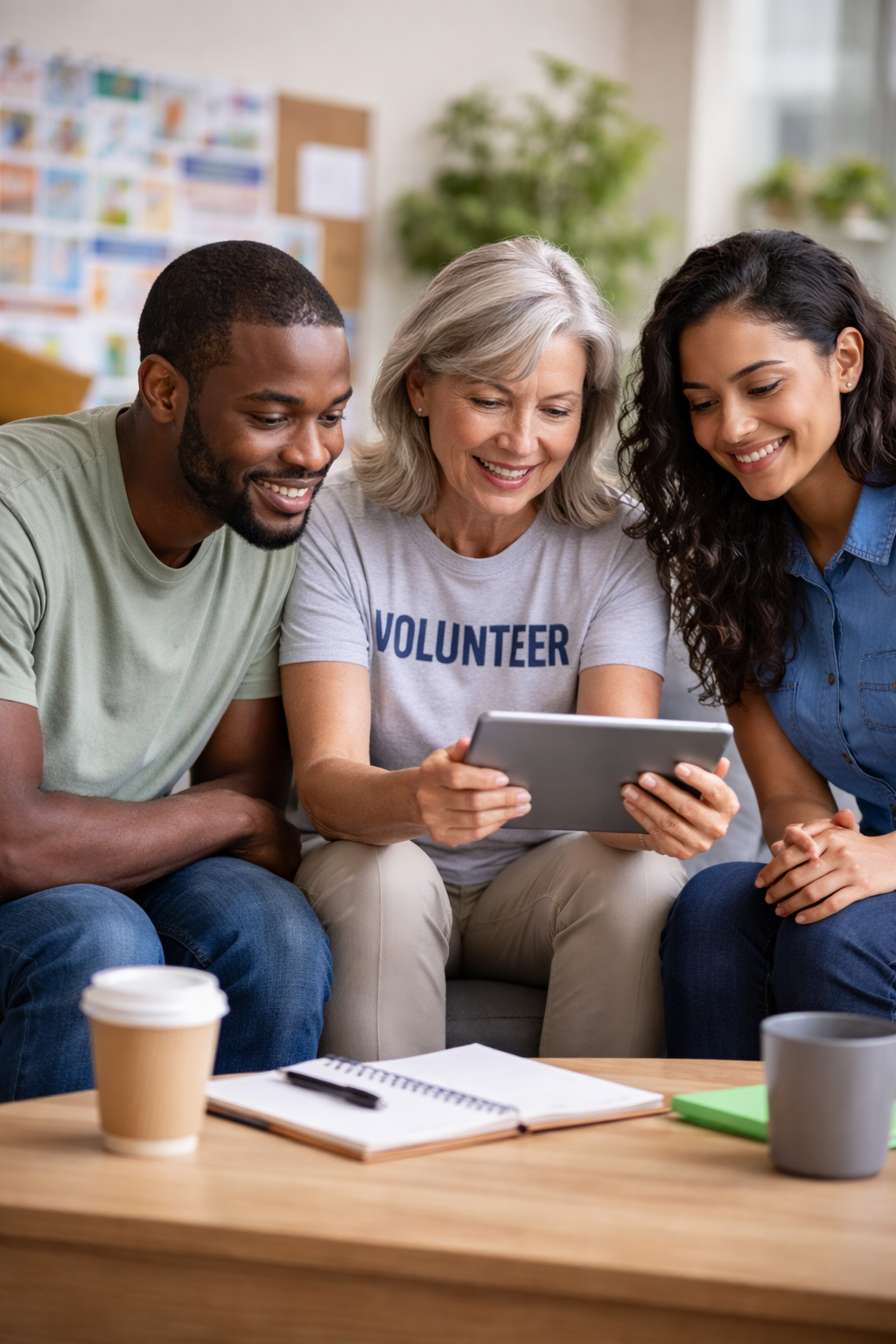
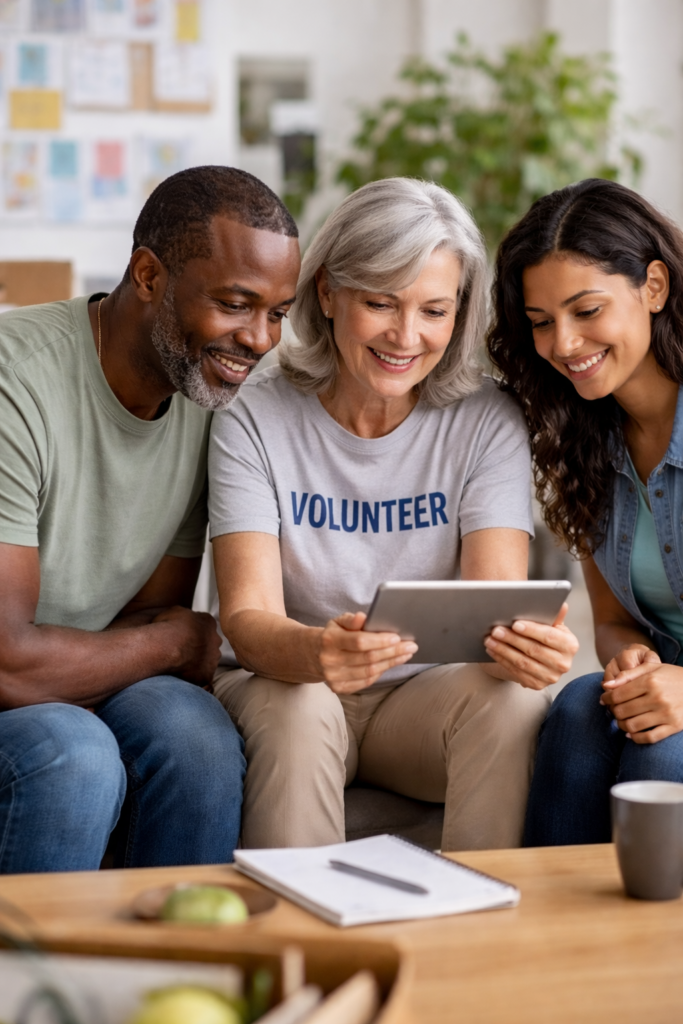
4. Volunteer–Donor Hybrid Groups
Where donors can see volunteers and staff in action, strengthening transparency and trust.
Each group should have a clear purpose and lifespan to avoid fatigue.
What to Share (and What Not to Share)
The success of a WhatsApp donor group depends less on frequency and more on relevance.
High-Value Content Ideas
- Short impact stories from the field
- Photos or voice notes from staff or beneficiaries
- Behind-the-scenes updates
- Early previews of upcoming initiatives
- Gratitude messages (not generic thank-yous)
- Quick polls or questions to invite participation
What to Avoid
- Constant donation requests
- Long reports or PDFs
- Forwarded memes or unrelated content
- Overly polished marketing language
Think human, not corporate.
Tone Matters More Than Technology
WhatsApp is conversational by nature. If your messages sound like grant proposals or annual reports, engagement will drop.
Use:
- Warm, conversational language
- Short messages
- Occasional voice notes or videos
- Authentic, imperfect updates
Donors don’t expect perfection—they value honesty.
Setting Boundaries and Expectations
One fear nonprofits have is losing control of the conversation. This is valid—but manageable.
Best practices include:
- Clear group description and rules
- Admin-only posting for large groups
- Dedicated times for Q&A
- Respect for donor privacy
- Opt-in only (never add donors without consent)
Well-managed groups feel safe, respectful, and intentional.
How WhatsApp Strengthens Donor Trust
Trust is built through visibility and consistency.
WhatsApp groups allow donors to:
- See impact unfold in real time
- Hear directly from staff and partners
- Ask questions and receive honest answers
- Witness challenges, not just successes
This transparency reduces skepticism and increases long-term commitment.
From Community to Sustainable Funding
Strong donor communities lead to:
- Higher donor retention
- Increased lifetime value
- More word-of-mouth referrals
- Faster campaign momentum
- Greater openness to unrestricted funding
When donors feel connected, fundraising becomes less about persuasion and more about partnership.
Scaling Without Burnout
A common concern is staff workload. The key is systems, not constant presence.
Many nonprofits pair community-building tools like WhatsApp with structured content planning and AI-supported workflows. For example, platforms such as GrantWriterAI help teams reduce the time spent on proposal writing and donor reporting—freeing capacity to focus on relationship-building and community engagement instead of administrative overload.
Technology should support human connection, not replace it.
Ethical Considerations and Donor Respect
Using WhatsApp responsibly is essential:
- Always get explicit consent
- Allow easy opt-out
- Protect donor data
- Avoid emotional manipulation
- Respect time zones and frequency limits
When donors feel respected, they stay engaged.
The Bigger Picture: Belonging Over Broadcasting

WhatsApp groups are not about chasing trends. They’re about restoring something fundraising has lost in the digital age: closeness.
In a world of algorithms and automation, donors crave genuine connection. WhatsApp offers nonprofits a rare opportunity to create that connection at scale—without losing authenticity.
Community Is the New Currency
Weak donor connection isn’t solved by louder messaging or more campaigns. It’s solved by belonging.
When donors feel seen, informed, and included, they don’t just give—they stay.
WhatsApp groups, used intentionally, can become one of the most powerful community-building tools in your nonprofit ecosystem.
💬 Keep Your Donor Community Active with the Right WhatsApp Messages
Creating a WhatsApp group for your donors is a great first step — but keeping that community engaged is where most organizations struggle.
Many groups become inactive because:
- Messages are inconsistent or unclear
- There’s no strategy for engagement
- Updates don’t inspire interaction or giving
Without the right communication, even your most supportive donors can lose interest.
🚀 Get Proven WhatsApp Scripts for Donor Engagement
To help you build a strong and active donor community, we’ve created ready-to-use WhatsApp outreach scripts for churches and nonprofits.
These scripts will help you:
- Engage your donors consistently
- Share updates that build trust and connection
- Encourage participation and giving
- Keep your WhatsApp group active and meaningful
👉 Access the WhatsApp outreach scripts here
💡 What You’ll Get
Inside, you’ll find:
- Donor engagement and follow-up messages
- Impact story messages to strengthen relationships
- Donation request messages with clear calls-to-action
- Event and community update messages
- Volunteer and participation prompts
- Partnership and outreach scripts
💡 Why This Matters
A strong donor community is built through consistent, meaningful communication — not just occasional updates.
With the right messages, you can:
- Keep your WhatsApp group active and engaged
- Build deeper relationships with your supporters
- Increase long-term giving and retention
Stop sending random messages — start building a community that stays connected and committed.
Ready to Strengthen Both Community and Capacity?
When you’re ready to scale funding without scaling burnout—while deepening donor connection—explore GrantWriterAI. Increase proposal volume, reduce writing costs, and free your team to focus on what truly matters: relationships that last.
Frequently Asked Questions (FAQs)
1. Are WhatsApp groups suitable for all nonprofits?
Yes, especially nonprofits with engaged donors or international supporters. The key is consent and clear purpose.
2. How many donors should be in one WhatsApp group?
For engagement, 50–200 works well. Larger groups may require admin-only posting.
3. How often should nonprofits post in donor WhatsApp groups?
1–3 times per week is ideal. Consistency matters more than frequency.
4. Can WhatsApp replace email newsletters?
No. WhatsApp complements email by providing real-time, relational communication.
5. What type of donors benefit most from WhatsApp groups?
Recurring donors, major donors, and highly mission-aligned supporters benefit the most.
6. Is WhatsApp secure for donor communication?
WhatsApp uses end-to-end encryption, but nonprofits should still follow data protection best practices.
7. How do you prevent donor fatigue in WhatsApp groups?
Share value-driven content, avoid constant asks, and respect boundaries.
8. Should staff respond to every message in the group?
Not always. Structured engagement times help manage workload.
9. Can WhatsApp groups increase donations?
Indirectly, yes—by increasing trust, loyalty, and emotional investment.
10. What’s the biggest mistake nonprofits make with WhatsApp groups?
Treating them like marketing channels instead of communities.