Why Church Event Promotion Using Digital Tools Matters More Than Ever
Low turnout is rarely caused by a lack of good intentions. More often, it happens because people do not see the event often enough, do not get reminded at the right time, or do not know exactly why they should attend. That is why church event promotion using digital tools has become so important. Churches are not only competing with other ministries anymore. They are competing with work schedules, family obligations, school calendars, streaming platforms, community events, and simple forgetfulness.
Digital outreach works because it meets people where they already are. Pew Research reports that YouTube and Facebook remain among the most widely used platforms by U.S. adults, while Instagram also reaches a large share of the population. That matters for churches because promotion is most effective when it appears in spaces people already check every day.
The same is true for email and text. Mailchimp’s benchmark data shows nonprofits outperform many sectors in email engagement, with an average open rate of 40.04% and an average click rate of 3.27%. SMS can be even more immediate: Constant Contact cites average SMS open rates around 98%, and notes that text messaging is especially useful for reminders and last-minute event updates.
So the real issue is not whether churches should go digital. The issue is whether they are using the right tools in the right order. Effective church event promotion using digital tools is not about posting one flyer on Facebook and hoping for the best. It is about building a simple communication system that creates awareness, reinforces value, and gives people multiple chances to say yes.
The Real Reason Church Events Struggle With Turnout
When turnout is low, churches often assume the event itself was not compelling enough. Sometimes that is true, but not always. In many cases, the problem is promotion timing and message clarity.
A church may announce an event once from the pulpit two Sundays before it happens. A volunteer may post a graphic on social media. Someone else may send one email. Then leadership wonders why the room is half full. The problem is not necessarily the event. The problem is that there was no coordinated visibility.
This is where church event promotion using digital tools changes the outcome. Digital promotion allows you to repeat the message without sounding repetitive, segment audiences so the right people see the right invitation, and add reminders close to the event date when attendance decisions are actually made. Eventbrite’s event marketing guidance also emphasizes using multiple channels, clear KPIs, and audience-specific promotion instead of relying on a single announcement stream.
The Best Digital Tools Churches Should Use First
Not every platform deserves equal attention. For most churches, the most practical stack includes email, SMS, social media, a simple landing page, and calendar integration.
1. Email for depth and detail
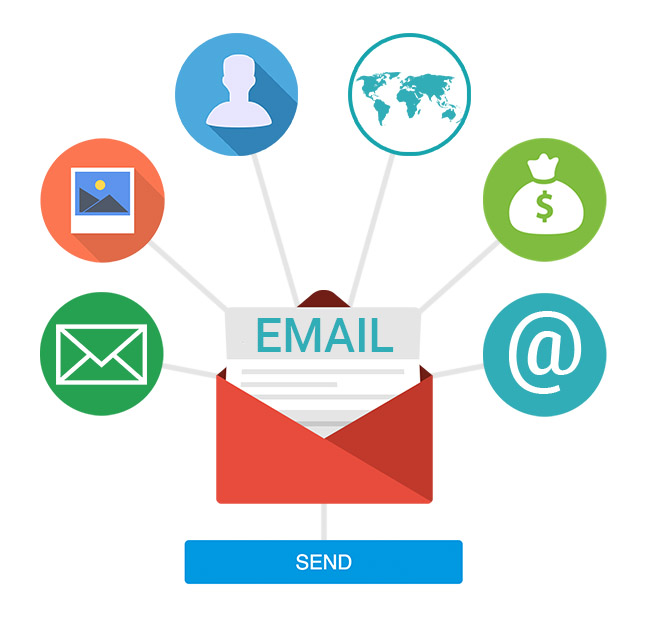
Email is ideal when people need more than a headline. Use it for event purpose, speaker details, schedule, ministry focus, registration links, child care information, and testimonies from past attendees. Because nonprofit emails tend to perform relatively well, email should remain a core channel in church event promotion using digital tools.
2. SMS for reminders and urgency
Text messaging is not the place for long explanations. It is the place for action. Send a registration nudge, a “starts tomorrow” reminder, a location note, or a weather update. Constant Contact specifically highlights event reminders as a strong use case for nonprofit texting, and Mailchimp notes that church texting services are well suited for announcements and outreach.
3. Social media for visibility and sharing
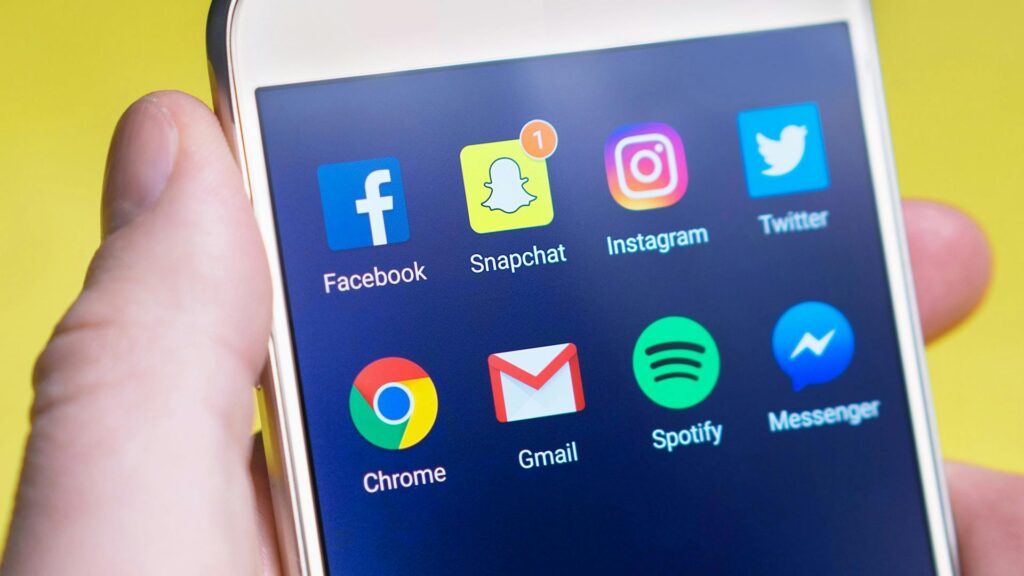
Facebook is still highly relevant for church communities, especially for local events and older adult audiences. Instagram works well for visual storytelling, countdowns, and volunteer spotlights. YouTube can support short promo videos or recap clips that create momentum for the next event. Pew’s current platform usage data supports prioritizing these larger-reach platforms rather than spreading effort too thinly.
4. A landing page or event page for clarity
One of the most overlooked parts of church event promotion using digital tools is the event page itself. If people click and still have questions, many will not attend. Your page should include the who, what, when, where, why, and how in seconds. If registration is needed, make the form short.
5. Calendar links for commitment
Once someone is interested, help them lock it in. A calendar link is a small tactic with big value. It reduces forgetfulness and moves the event from “I might go” to “I already saved it.”
A Simple Promotion Framework Churches Can Actually Manage
Many churches do not need a bigger marketing team. They need a repeatable system. Here is a manageable framework for church event promotion using digital tools.
Four weeks before the event
Start with the core message. What is the event? Who is it for? Why should they care now? Build one main promise around transformation, not logistics. Then create the landing page, master graphic, email copy, and sign-up link.
Three weeks before the event
Launch the first email. Publish the first social post. Announce it during service and direct people to the registration link. Put the event in your church bio links, website homepage, and WhatsApp or community groups if your church uses them.
Two weeks before the event
Post a short video invitation from the pastor, ministry lead, or host. Share one testimonial or story that shows why the event matters. Send a second email with added clarity and a fresh subject line. Effective church event promotion using digital tools relies on message variation, not copy-paste repetition.
One week before the event
Send a text reminder to everyone who opted in. Post a countdown. Ask ministry leaders, small-group leaders, and volunteers to personally share the event with their circles. This is where digital and relational outreach work best together.
One day before the event
Send the final email and SMS reminder. Keep both short. Restate the time, location, and one clear reason to attend.
Day of the event
Use text for last-minute reminders, parking notes, or room changes. After the event, post highlights quickly so momentum carries into the next one.
What Churches Should Post Instead of Generic Flyers
A common mistake in church event promotion using digital tools is over-relying on static flyers. Flyers have their place, but they rarely carry a full campaign on their own.
People respond better to variety. A stronger content mix includes:
Story-based invitations
Instead of saying, “Join us this Friday,” say, “If you have been feeling spiritually drained and need a night of worship and renewal, this evening was planned with you in mind.”
Short video invites
A 20- to 45-second video from a pastor or host often feels warmer and more credible than a designed image. Video also performs well across major platforms because it stops the scroll more effectively than text alone. That aligns with broader nonprofit social media guidance emphasizing richer, more engaging formats.
Countdown posts
These help people feel the event is approaching and important. They also give your church multiple touchpoints without constantly inventing new creative concepts.
FAQ posts
Turn common objections into content. Is child care available? Is registration required? Can people invite friends? What should they wear? When church event promotion using digital tools answers friction points early, attendance usually improves.
Testimony clips or recap images
When people see what happened last time, future events feel safer, more concrete, and more desirable.
How to Use Email and SMS Together Without Annoying People
Churches sometimes avoid texting because they do not want to overwhelm members. That concern is fair. The answer is not avoiding SMS. The answer is using it well.
Email should carry the fuller story. SMS should carry the nudge.
A healthy rhythm for church event promotion using digital tools looks like this: one early email announcement, one follow-up email with details or testimony, one reminder text the week of the event, and one final text within 24 hours if the audience has explicitly opted in. This approach respects attention while still keeping the event visible.
SimpleTexting’s 2024 survey found that businesses using SMS often report stronger overall digital marketing outcomes, and that most businesses see SMS click-through rates in the 21% to 35% range. While churches are not businesses, the lesson is still useful: timely texts can move people from interest to action.
How to Measure Whether Your Digital Promotion Is Actually Working
One reason church event promotion using digital tools matters is that digital channels are measurable. Instead of guessing, churches can look at evidence.
Track these core numbers
- Landing page visits
- Registrations or RSVP submissions
- Email open rates
- Email click rates
- SMS link clicks
- Social shares and saves
- Actual attendance versus registrations
Mailchimp’s benchmarks can help give context to email performance, especially for nonprofit organizations, though the company notes that open-rate interpretation should account for privacy changes such as Apple’s Mail Privacy Protection.
Watch for drop-off points
If social posts get attention but the sign-up page converts poorly, your page may be unclear. If email opens are strong but clicks are weak, the invitation may lack urgency. If registration is high but attendance is low, your reminder sequence may be too weak.
This is where church event promotion using digital tools becomes practical ministry work, not just marketing language. Better measurement helps churches serve people more clearly.
Common Mistakes That Keep Church Events Half Empty
Even good churches make avoidable promotional errors. The most common include:
Promoting too late
People often need several exposures before they act. Starting promotion three days before the event is usually too late for anything significant.
Using insider language
Terms that make sense inside the church may confuse guests or newer members. Write like you are inviting someone who is warm but not fully informed.
Burying the details
If the date, time, location, and next step are hard to find, attendance will suffer.
Relying on one channel
A single Sunday announcement is not a strategy. Effective church event promotion using digital tools uses multiple touchpoints.
Forgetting mobile users
Texts, emails, and landing pages should all be easy to view on a phone. That matters because mobile-first communication now shapes most digital engagement habits.
Also read:5 Digital Fundraising Tools Every Ministry Should Use
Wrap Up: Church Event Promotion Using Digital Tools Works When the System Is Simple
The goal is not to turn your church into a marketing machine. The goal is to make sure people hear about meaningful events in time to attend them.
That is why church event promotion using digital tools works best when it stays simple. Use email for depth. Use SMS for reminders. Use social media for visibility. Use a landing page for clarity. Use stories and video to make the invitation human. Then measure what happened and improve the next campaign.
Low turnout does not always mean low interest. Sometimes it simply means the message did not reach people often enough, clearly enough, or close enough to decision time. When churches fix that, rooms fill more consistently, volunteers feel encouraged, and events begin to create the momentum they were meant to build.
Frequently Asked Questions
1. What is the best platform for church event promotion?
The best platform is usually not one platform but a combination of email, SMS, and social media. Facebook remains useful for broad reach, while text messaging is especially effective for reminders.
2. How often should a church promote an event online?
A good rule is to promote for at least two to four weeks, depending on the event size. People usually need multiple reminders before attending.
3. Why is SMS so effective for church events?
SMS is immediate and highly visible. It works especially well for reminder messages, time-sensitive updates, and quick registration nudges.
4. Should churches still use email for event promotion?
Yes. Email is still one of the strongest channels for detailed event communication, and nonprofit emails tend to perform well compared with many other sectors.
5. What should be included on a church event landing page?
Include the event purpose, date, time, location, who it is for, what to expect, and one clear sign-up or RSVP button.
6. How can a small church promote events without a big budget?
Use free or low-cost tools already available: email platforms, Facebook, Instagram, WhatsApp groups, simple registration forms, and volunteer-made video invitations.
7. Is Facebook still useful for church event promotion?
Yes. Facebook still reaches a large portion of adults and remains practical for local community promotion and event sharing.
8. What kind of content increases church event attendance?
Short videos, testimony clips, countdown posts, FAQs, and clear benefit-focused invitations tend to perform better than generic flyer posts.
9. How do churches know whether digital promotion is working?
Track visits, registrations, email clicks, text link clicks, social engagement, and final attendance. Comparing these numbers helps identify where people are dropping off.
10. What is the biggest mistake churches make in digital event promotion?
The biggest mistake is inconsistency. Many churches announce too late, post too little, or rely on one channel instead of building a simple repeatable system.