
Why Nonprofits Need an Inbound Strategy Instead of Constant Outreach
Many nonprofits work hard to reach donors but still feel stuck in a cycle of chasing attention. They send appeals, post on social media, update event pages, and run campaigns, yet the results remain inconsistent. The problem is often not effort. It is structure. Without a clear inbound system, content gets published in fragments rather than functioning as a donor pathway.
That is why content marketing plans that bring donors to you matter so much. An inbound strategy gives your organization a repeatable way to attract the right audience, build trust over time, and convert interest into action. Instead of relying only on direct asks, you create useful, relevant, mission-centered content that helps potential donors discover you on their own terms. Google’s guidance on helpful content makes this especially important, since its ranking systems are designed to prioritize content created to benefit people, not pages built mainly to manipulate search results.
For nonprofits facing the pain point of having no inbound strategy, the issue is not simply lack of content. It is lack of intentional content. When there is no strategic plan behind what gets published, content becomes noise instead of momentum. Strong content marketing plans that bring donors to you solve that by aligning content with donor intent, mission credibility, and long-term discoverability.
Nonprofit marketing guidance also consistently shows that content marketing helps organizations deepen trust, strengthen engagement, and improve donor relationships when it is built around clear strategy rather than random posting.
What “inbound” really means for donor growth
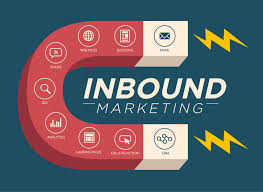
Inbound marketing for nonprofits is not about being passive. It is about becoming discoverable. It means creating articles, stories, guides, emails, landing pages, and search-friendly resources that answer the kinds of questions potential donors already have. It means showing up when someone is searching for causes to support, local impact stories, community programs, or ways to give meaningfully.
This matters because donor behavior has changed. People rarely move from complete ignorance to immediate giving. They often move through a sequence: awareness, curiosity, trust, and then action. A healthy inbound strategy supports each step. HubSpot’s nonprofit inbound framing emphasizes using content and relationship-building systems to improve donor engagement and growth rather than relying on disconnected outreach alone.
So when we talk about content marketing plans that bring donors to you, we are really talking about building a digital ecosystem that makes your organization easier to find, easier to understand, and easier to trust.
Why random content does not create donor momentum
A common mistake is publishing content because the calendar says something needs to go out. A post is shared because it has been a while. A newsletter is sent because one is due. A blog goes live because someone remembered to write one. This creates activity, but it rarely creates traction.
An effective inbound system asks different questions. What is the donor trying to understand? What content helps them trust us? Which formats support discovery through search? Which stories show clear mission outcomes? Which pages create a natural next step into volunteering, subscribing, or giving?
These questions are what turn publishing into strategy. The best content marketing plans that bring donors to you do not begin with “What should we post this week?” They begin with “What journey are we trying to create?”
Start with donor intent, not organizational assumptions
Many nonprofits create content from the inside out. They publish what matters internally rather than what the audience is actively trying to find. That approach often produces a weak inbound engine.
Google’s official guidance is clear that people-first content should be created primarily to help users and satisfy real needs. It encourages content creators to ask whether their material leaves readers feeling they have learned enough to accomplish their goal. That principle should shape every nonprofit content plan.
For example, a nonprofit may want to promote its annual gala. But a potential donor may be searching for “how local nonprofits help homeless families” or “best ways to support youth education in my city.” Those are not the same thing. One reflects internal promotion. The other reflects donor curiosity.
This is where content marketing plans that bring donors to you become powerful. They bridge the gap between what your organization wants to say and what supporters are trying to understand.
Build content around real donor questions
A strong inbound plan starts with question-based content themes. These often include:
What problem are you solving?
Donors want clarity about the issue.
Who benefits from your work?
They want to know who is impacted.
What results are you seeing?
They want evidence, not abstractions.
Why does your approach work?
They want confidence in your model.
How can they help?
They want a low-friction next step.
When your content answers those questions consistently, the audience begins to move toward trust. That is the real purpose of content marketing plans that bring donors to you.
Build a content engine, not just a blog
A blog can help, but inbound strategy is bigger than blogging. It involves creating connected content assets that work together. A blog post might attract search traffic. A landing page might explain a campaign. An email series might nurture interest. A donor story might strengthen trust. A giving page might convert action.
Nonprofit content marketing guidance often highlights storytelling, educational resources, impact updates, and audience-specific content as key tools for building support. But the important point is not just to create these pieces. It is to connect them.
That is what the best content marketing plans that bring donors to you do. They create an ecosystem where every asset has a purpose and every piece points somewhere meaningful.
The core content pillars every nonprofit should develop

Rather than publishing scattered topics, build around a small number of recurring content pillars.
Mission education
This content explains the issue your organization addresses. It helps people understand the problem, the stakes, and the broader context.
Impact storytelling
This content shows real change through stories, examples, testimonials, and updates. Storytelling remains one of the most effective ways nonprofits deepen emotional connection and donor engagement.
Donor guidance
This content helps supporters understand how giving works, what funds support, and what difference their support makes.
Community relevance
This content connects your mission to local needs, timely issues, or public interest topics in a way that makes discovery more likely.
Participation pathways
This content guides readers toward subscribing, attending, volunteering, sharing, or donating.
These pillars give shape to content marketing plans that bring donors to you because they cover both discovery and conversion.
Repurpose one idea across multiple channels
A strong inbound strategy does not require inventing entirely new ideas every day. One meaningful story can become a blog article, an email feature, a social post sequence, a donor spotlight, a short-form video script, and a donation-page insert. Nonprofit content marketing resources frequently recommend repurposing content to extend reach and reduce team strain.
This approach matters especially for small teams. It allows you to create depth instead of burnout. And it makes content marketing plans that bring donors to you sustainable over time rather than dependent on bursts of energy.
Make search visibility part of the plan

Inbound strategy depends on discoverability. If great content cannot be found, it cannot attract new donors consistently. That is why SEO should be integrated into your content planning process from the beginning.
This does not mean writing robotic copy. In fact, Google explicitly warns against creating content primarily for search engines rather than people. Instead, it means understanding the phrases people search for, organizing content around helpful topics, and structuring pages clearly so search engines can understand what your content offers.
The strongest content marketing plans that bring donors to you combine search visibility with human usefulness. They use relevant keywords, clear headings, descriptive titles, and focused intent without sacrificing readability.
Examples of search-friendly inbound topics
A nonprofit focused on hunger relief might publish:
How Food Insecurity Affects Families in Our Community
What Donors Should Know About Supporting Local Hunger Relief
Where Community Food Support Is Needed Most This Year
A youth-focused nonprofit might publish:
Why Mentorship Changes Long-Term Outcomes for Young People
How Donor Support Expands Youth Programs in Underserved Communities
What Effective Youth Development Looks Like in Practice
These kinds of pages are useful, discoverable, and trust-building. That is the essence of content marketing plans that bring donors to you.
Avoid content that exists only to fill space
Thin, repetitive, or generic content can do more harm than good. Google’s helpful content documentation encourages creators to avoid publishing primarily to rank and instead focus on originality, expertise, and real value.
For nonprofits, that means resisting the urge to churn out low-value posts that say little. Better to publish fewer, stronger resources that answer real questions, show real impact, and lead somewhere useful. Great inbound strategy is not volume for volume’s sake. It is relevance with purpose.
Turn storytelling into donor trust, not just emotion
Storytelling is central to nonprofit communication, but effective storytelling is more than emotional appeal. It must also create understanding, credibility, and context. Donors need to see not only that your work matters, but also how it works and why support changes outcomes.
Several nonprofit marketing sources highlight impact storytelling and visual narrative as especially effective for deepening donor engagement. The key is to move beyond vague inspiration. Specificity is what builds trust.
Instead of saying, “Your gift changes lives,” show what changed. What happened before support? What intervention was provided? What happened next? What still needs to be done?
The best content marketing plans that bring donors to you use stories to create clarity, not just emotion. That is what makes a story memorable and actionable.
Balance inspiration with proof
A donor wants to feel something, but they also want to know something. Effective content often combines narrative with evidence. Pair a beneficiary story with a program outcome. Pair a community challenge with a response framework. Pair a donor spotlight with measurable progress.
That combination gives your inbound content more staying power. It also improves its usefulness for search, since it adds depth and substance.
Design clear next steps into every content asset
One reason nonprofits struggle with inbound results is that their content stops at awareness. A visitor reads an article, watches a video, or opens an email, but there is no obvious next move. Content without direction creates leakage.
That is why content marketing plans that bring donors to you should always include pathway design. Each asset should gently lead to a logical next action. That may be subscribing to updates, reading a related story, exploring a campaign page, joining an event, or making a donation.
A good inbound system does not rush people, but it does guide them. If someone has just finished reading an impact story, do not leave them at a dead end. Offer a next step that fits the moment.
Use an editorial calendar that maps to donor journeys
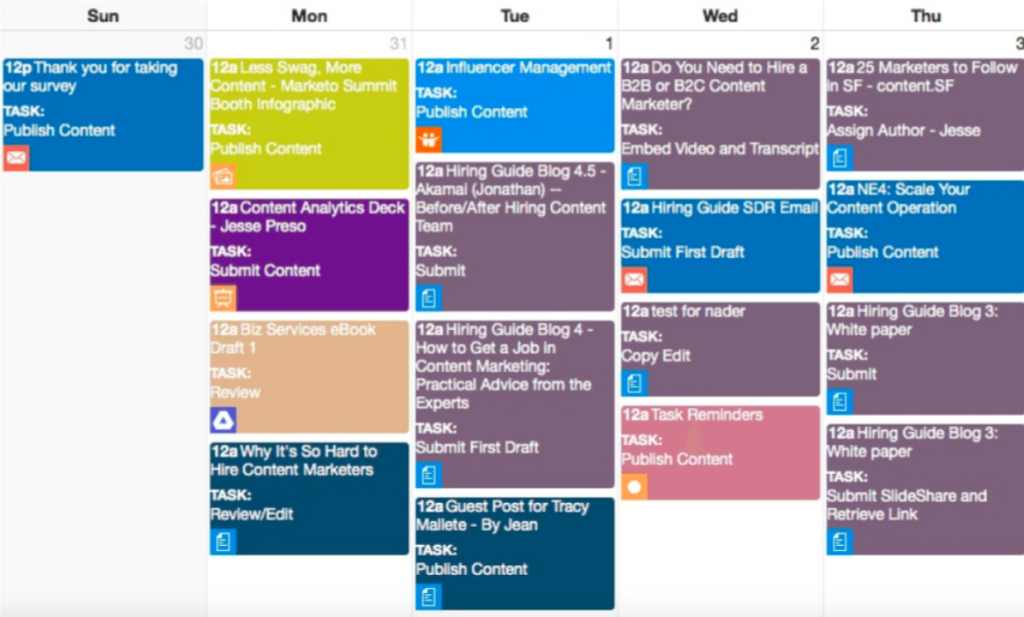
Editorial calendars are often treated as scheduling tools, but they should function as strategy tools. A good calendar balances audience needs, mission priorities, seasonal opportunities, and channel distribution.
Plan content across three layers:
Attraction content
Search-friendly educational content that helps new audiences discover you.
Nurture content
Stories, updates, explainers, and emails that build trust after discovery.
Conversion content
Campaign pages, donation stories, fund use pages, and supporter invitations that turn trust into action.
This structure is what makes content marketing plans that bring donors to you more effective than disconnected publishing. It ensures that awareness content is not separated from donor movement.
Measure inbound success beyond likes and impressions
Inbound strategy is often undervalued because organizations focus on shallow metrics. Social likes may feel good, but they do not tell the full story. Better questions include:
Are more people finding us through search?
Are key pages attracting qualified traffic?
Are email subscribers growing from content offers?
Are readers moving from blog content to donation pages?
Which stories generate the strongest time-on-page or return visits?
These metrics reveal whether your content marketing plans that bring donors to you are creating real movement instead of surface-level activity.
Why consistency beats occasional campaigns
Campaigns matter, but inbound growth usually comes from consistency. Publishing one great article will not build a donor pipeline on its own. But publishing useful, mission-aligned, discoverable content over time creates compounding value.
A blog article can keep attracting readers months later. A strong impact page can keep earning search visits. A donor explainer can keep answering questions. A well-written story can keep being reused in email and social content. This compounding effect is exactly why content marketing plans that bring donors to you are such an important long-term asset.
Without consistency, nonprofits stay dependent on repeated bursts of attention-seeking. With consistency, they begin building a system that produces trust over time.
Also read:Live Stream Fundraising: Tips That Actually Raise Money
Wrap-Up: Inbound Strategy Turns Content Into a Donor Pathway
If your organization feels like it is constantly chasing donor attention, the answer is not always more content. Often, the answer is a better plan.
The best content marketing plans that bring donors to you are built around donor intent, helpful information, discoverability, trust-building stories, and clear next steps. They transform publishing from a routine task into a strategic growth engine. Instead of producing content because you should, you begin publishing content that works.
An inbound strategy does not replace fundraising. It strengthens it. It gives donors a way to find you before you ask. It gives your mission a way to earn trust before the appeal arrives. And it gives your organization a more stable foundation for visibility, engagement, and generosity.
When nonprofits move from random posting to intentional inbound content, they stop chasing every opportunity manually. They start building a presence that brings the right people closer, one useful piece at a time.
FAQs
1.What are content marketing plans that bring donors to you?
They are structured content strategies designed to attract potential donors through useful, discoverable, trust-building content rather than relying only on direct outreach.
2.Why is inbound marketing important for nonprofits?
Inbound marketing helps nonprofits build long-term visibility and trust by meeting supporters where they already search, read, and learn online.
3.How is inbound strategy different from regular nonprofit marketing?
Regular marketing may focus on campaigns and immediate promotion, while inbound strategy builds ongoing discovery and relationship pathways through content.
4.Does content marketing really help attract donors?
Yes. Nonprofit marketing resources consistently describe content marketing as a way to strengthen engagement, build trust, and support donor growth.
5.What type of content attracts donors best?
Useful educational content, impact stories, donor guidance pages, and search-friendly resources often perform well because they combine relevance with trust.
6.How often should nonprofits publish content?
Consistency matters more than volume. A manageable, repeatable publishing rhythm is more effective than bursts of irregular activity.
7.Should nonprofit content be optimized for SEO?
Yes, but it should remain people-first. Google recommends creating helpful, reliable content for users rather than producing pages mainly for search engines.
8.What is the biggest mistake in nonprofit content marketing?
One of the biggest mistakes is publishing random content with no connection to donor intent, discoverability, or a next-step pathway.
9.Can small nonprofits build an inbound strategy without a large team?
Yes. Repurposing strong core stories across blog, email, and social channels makes inbound content more sustainable for lean teams.
10.How do you know if content marketing is working?
Look beyond vanity metrics. Track search visibility, qualified traffic, email growth, page engagement, and movement from content pages to donation actions.