
Digital fundraising and online giving have reshaped how grassroots initiatives and community projects secure backing. At the heart of this transformation is crowdfunding for community projects — a powerful approach that invites many individuals to contribute small amounts toward a shared goal. Crowdfunding builds a sense of ownership among supporters, amplifies impact, and democratizes fundraising in ways traditional methods simply can’t match.
Yet one ongoing challenge remains: keeping supporters engaged from campaign launch to successful completion and beyond. In this guide, we’ll walk you through every step of planning, launching, and sustaining a thriving crowdfunding campaign while keeping your audience energized and invested.
The Fundamentals of Crowdfunding for Community Projects
What is Crowdfunding for Community Projects?
Crowdfunding for community projects is a digital fundraising approach that enables local groups, nonprofits, and grassroots organizations to raise money by collecting small contributions from a large number of people online. Instead of relying on a single major donor, this model harnesses the collective power of community members who believe in a shared cause.
Projects can range from building playgrounds and community gardens to funding local education, health initiatives, or disaster recovery efforts. Beyond raising money, crowdfunding for community projects fosters a sense of ownership, transparency, and trust, allowing supporters to see exactly how their contributions make a tangible difference within their own communities.
Why Online Giving Matters Today
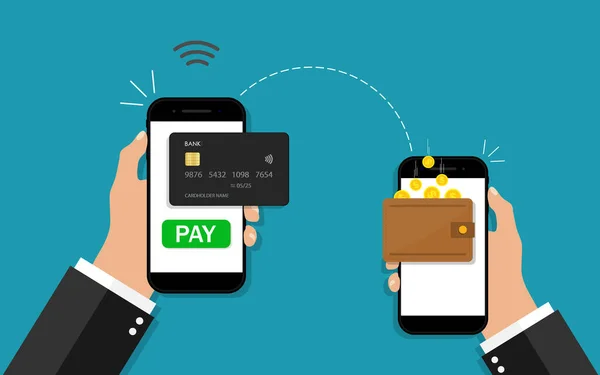
Online giving has become essential in today’s connected world, where donors expect convenience, transparency, and immediacy. Digital platforms allow nonprofits and community groups to reach supporters beyond geographic limitations, often at a fraction of the cost of traditional fundraising methods.
With mobile-friendly donation pages, social media integration, and real-time progress tracking, online giving makes it easy for supporters to engage and contribute anytime, anywhere. These tools also encourage sharing, peer-to-peer advocacy, and ongoing communication, helping organizations build stronger relationships while increasing participation and long-term donor engagement.
Planning Your Crowdfunding Campaign
Set Clear Goals and Impact Outcomes
Before launching your crowdfunding for community projects campaign, it’s essential to clearly define what success looks like. Well-structured goals guide your strategy and build donor confidence by showing transparency and purpose.
- Establish a specific funding target: Set a realistic amount based on your project’s true financial needs.
- Identify how funds will be used: Break down costs so supporters see where their money goes.
- Set a timeline that builds urgency: A clear deadline motivates quicker action and sustained engagement.
Clear goals help supporters understand the impact of their contributions and feel confident supporting your cause.
Choose the Right Online Platform
Choosing the right crowdfunding platform can significantly influence your campaign’s success. The platform should align with your project goals, audience preferences, and technical capacity.
- Evaluate platform fees and payment options to ensure affordability.
- Assess engagement tools, such as social sharing, updates, and peer-to-peer fundraising features.
- Consider ease of use for both administrators and donors.
Platforms like Fundly, FundRazr, Rally.org, and Crowdrise each offer different strengths, so selecting the right fit helps maximize reach and supporter participation.
Creating Your Campaign Page
Craft a Compelling Story

A compelling story is the heart of any successful crowdfunding campaign. People are motivated to donate when they feel emotionally connected to a cause. Focus your narrative on the real community members who will benefit from the project, highlighting their challenges, hopes, and the positive change your initiative will create. Use simple, authentic language that speaks from the heart. Including photos and short videos helps bring the story to life, making the need more tangible and relatable, while reinforcing trust and credibility with potential supporters.
Break Down the Funding Goal
Transparency plays a major role in encouraging donations. Instead of presenting a single large funding target, break your goal into clear, understandable milestones. Show supporters exactly what their contributions will accomplish, such as funding supplies, equipment, or specific program activities. This approach helps donors visualize impact and feel confident that their money is being used responsibly. Visual tools like progress bars or funding thermometers further reinforce transparency and motivate supporters by showing real-time progress toward each milestone.
Make Online Giving Simple
Simplicity is critical when it comes to online giving. Your campaign page should be mobile-friendly and easy to navigate, as many donors contribute from their phones. Keep the donation form short by asking only for essential information, and offer multiple secure payment options such as credit cards and digital wallets. Reducing friction in the donation process minimizes drop-offs and increases conversion rates, ensuring supporters can give quickly, easily, and with confidence.
Launching Your Campaign Successfully
Activate Your Network First
Launching your campaign with support from your existing network is crucial for building early momentum. Friends, family members, volunteers, board members, and long-time supporters already believe in your mission and are more likely to contribute and share your campaign. Their early donations create social proof, showing others that the project is credible and worth supporting. Encourage this inner circle to act as ambassadors by sharing the campaign within their own networks. Strong initial engagement increases visibility, boosts confidence among new donors, and helps your campaign gain traction quickly.
Promote Across Channels

Successful crowdfunding requires consistent promotion across multiple channels. Don’t depend solely on the crowdfunding platform’s traffic to drive donations. Share your campaign through social media, email newsletters, community forums, messaging apps, and local news outlets. Use clear, consistent messaging and strong visual assets to reinforce your story and goals. Repeated exposure across channels keeps your campaign top-of-mind, reaches different audience segments, and increases the likelihood of continued engagement and donations throughout the campaign.
Keeping Supporters Engaged Throughout
Frequent Updates Matter
Consistent communication is essential for maintaining donor interest throughout your crowdfunding campaign. Regular updates that highlight progress, celebrate milestones, and share real-time impact stories help supporters feel involved and valued. Updates reassure donors that the campaign is active and transparent, reinforcing trust in how funds are being raised and used. Even small achievements are worth sharing, as they demonstrate momentum and accountability. When supporters feel informed and connected to the journey, they are more likely to remain engaged, share the campaign with others, and continue supporting future initiatives.
Use Social Proof and Recognition
Social proof plays a powerful role in sustaining engagement. Featuring donor spotlights, testimonials, and positive community feedback in your updates shows that others believe in and support your cause. Publicly recognizing contributors—whether through thank-you messages, shoutouts, or featured stories—helps donors feel appreciated and valued. When potential supporters see real people actively engaging with your campaign, it builds credibility and trust. This sense of validation encourages others to participate, strengthens community bonds, and increases the likelihood of repeat donations and long-term involvement.
Encourage Peer-to-Peer Advocacy
Peer-to-peer advocacy can significantly amplify the reach of your crowdfunding campaign. Encourage supporters to become active fundraisers by sharing personalized donation links or creating their own mini-campaign pages tied to your main project. This approach allows your message to spread organically through trusted personal networks. Supporters are often more effective advocates because they share the cause with genuine passion and credibility. By empowering your community to fundraise on your behalf, you expand visibility, attract new donors, and deepen engagement across a wider audience.
Engagement Strategies That Boost Online Giving
Host Digital Events
Digital events are an effective way to create real-time engagement and strengthen relationships with supporters. Hosting webinars, live streams, virtual tours, or Q&A sessions allows you to share updates, explain your project in depth, and answer donor questions directly. These events give supporters a voice and make them feel like active participants rather than passive donors. By tying each event back to your community project’s goals and impact, you reinforce transparency and trust while creating memorable experiences that motivate continued involvement and sharing.
Run Contests or Challenges
Introducing contests or fundraising challenges adds an element of fun and motivation to your campaign. Gamification, such as friendly competitions between teams or reward-based milestones, encourages supporters to participate more actively. Challenges create urgency, spark excitement, and inspire donors to share the campaign with their networks. When people feel involved in a collective challenge, they are more likely to stay engaged and contribute repeatedly. This approach also helps your crowdfunding for community projects stand out in a crowded digital fundraising space.
Appreciate and Reward Supporters
Expressing gratitude is essential for maintaining long-term donor relationships. A sincere thank-you shows supporters that their contributions are valued and meaningful. Public acknowledgments, personalized messages, digital badges, or access to exclusive updates can make donors feel recognized and appreciated. Even small gestures of appreciation can strengthen emotional connections and reinforce trust. When supporters feel genuinely thanked, they are more likely to remain loyal, advocate for your cause, and continue supporting future community fundraising initiatives.
Measuring Campaign Success
Track Engagement Metrics

Tracking engagement metrics gives you a clearer picture of how your crowdfunding campaign is performing beyond just the total funds raised. Monitor indicators such as likes, shares, comments, click-through rates, and repeat donations to understand how supporters are interacting with your content. These metrics reveal which messages, visuals, or updates resonate most with your audience. By analyzing engagement patterns, you can adjust your communication strategy in real time, improve donor experiences, and focus your efforts on tactics that drive stronger participation and sustained interest.
Evaluate Donor Feedback
Donor feedback is a valuable source of insight for refining your fundraising approach. Surveys, short questionnaires, and testimonial requests help you understand what inspired supporters to give and what they found most compelling about your campaign. Feedback also highlights areas for improvement, such as communication clarity or donation ease. Listening to supporters makes them feel valued and heard, strengthening trust and community relationships. These insights can be applied to future campaigns, resulting in more effective strategies and deeper long-term engagement.
Post-Campaign Stewardship
Share Impact Reports
Sharing impact reports is a critical step in closing the loop with your supporters after a crowdfunding campaign ends. Whether you exceed your goal or fall short, transparency builds trust. Use photos, short videos, stories, and clear data to show exactly what was accomplished with the funds raised. Highlight community outcomes, lessons learned, and next steps. When supporters see real results tied to their contributions, they feel proud of their involvement. Expressing gratitude alongside impact reporting reinforces credibility and encourages continued engagement with future initiatives.
Turn One-Time Donors into Long-Term Supporters
Converting one-time donors into long-term supporters is key to sustainable fundraising. After the campaign, invite donors to stay connected by joining your email list, participating in monthly giving programs, or exploring volunteer opportunities. Regular communication keeps them informed about ongoing impact and future needs. Personal follow-ups and meaningful updates help strengthen relationships over time. When donors feel valued and included beyond a single campaign, they are more likely to give again, advocate for your cause, and support future crowdfunding for community projects with enthusiasm.
Also read:How to Write Grants for Youth Programs That Change Lives
Wrap-Up: Strengthening Community Through Crowdfunding
Crowdfunding for community projects is more than just raising money — it’s about building shared purpose and collective pride. A successful campaign blends strategy, storytelling, digital fundraising tools, and continuous engagement. By planning thoughtfully, keeping supporters connected, and celebrating every win along the way, your project becomes more than a goal — it becomes a movement.
10 Frequently Asked Questions (FAQs)
- What is crowdfunding for community projects?
It’s a digital fundraising approach where many small online contributions support a local initiative. - How do I choose the right crowdfunding platform?
Evaluate fees, features, and target audience compatibility. Some platforms, like Fundly and FundRazr, specialize in community causes. - What’s the best way to keep supporters engaged?
Frequent updates, social recognition, and meaningful thank-you messages help sustain interest. - Do videos improve campaign success?
Yes — visuals and storytelling foster emotional connections that drive donations. - How can I measure online giving success beyond funds raised?
Track engagement metrics like shares, comments, repeat donors, and referral traffic. - Should I offer rewards or incentives?
Rewards and gamified challenges can motivate supporters and boost participation. - What’s peer-to-peer fundraising?
It’s when your supporters raise funds on your behalf, expanding your reach. - How often should I update my campaign?
Aim for regular updates — at least weekly — to maintain momentum and transparency. - Is it necessary to have a funding target?
Yes — clear goals create urgency and help supporters see progress.
Can crowdfunding turn one-time donors into long-term supporters?
Absolutely — thoughtful stewardship and follow-ups help retain donor engagement beyond the campaign.