
The greatest financial challenge for many churches isn’t attracting one-time gifts — it’s creating stable, recurring support that sustains ministry year after year. Traditional offerings and season-based campaigns can produce bursts of generosity, but they seldom bring the predictable revenue ministries need to plan with confidence.
That’s why digital fundraising & online giving, especially digitizing monthly donor programs, is becoming a mission-critical strategy for churches of every size. In a world where giving preferences have rapidly shifted toward online, mobile, and automated systems, churches that build strong digital fundraising ecosystems see consistent growth in recurring support and deeper donor engagement.
Why the Shift to Digital Fundraising & Online Giving Is Essential
The Changing Landscape of Church Generosity
Church generosity has undergone a major transformation over the last decade. While the offering plate was once the primary method of giving, today’s donors increasingly prefer digital fundraising & online giving options that align with their daily financial habits. Congregants now manage bills, subscriptions, and purchases online — and giving is no different.

Churches that rely solely on cash or checks often experience declining consistency, while those that embrace digital tools see stronger engagement. Online giving platforms allow churches to meet donors where they are, adapt to modern expectations, and build a giving culture that supports long-term financial sustainability rather than sporadic contributions.
Recurring Giving: The Heart of Consistency
One-time donations help meet immediate needs, but they do little to create financial predictability. Recurring giving, on the other hand, forms the backbone of sustainable church funding. When donors commit to monthly support, churches gain confidence to plan ministries, missions, and staffing without fear of budget shortfalls. Automated giving also benefits donors by removing guesswork and decision fatigue. Over time, recurring donors often give more annually than one-time givers. This consistency transforms generosity from a spontaneous act into a disciplined partnership that supports steady, year-over-year growth for the church.
What Online Giving Means for Your Ministry
Digital fundraising & online giving extend far beyond convenience — they fundamentally strengthen how churches fund and expand their mission. By removing barriers to giving, online systems encourage consistent participation and deeper engagement. With modern online giving tools, churches can:
- Allow members to give anytime, anywhere, including during travel or online services
- Automate recurring support, ensuring steady monthly contributions
- Engage younger generations who expect digital-first experiences
- Access reporting and analytics, helping leaders track trends and make informed financial decisions
Together, these benefits create a more resilient, future-ready ministry funding model.
How Digitizing Monthly Donor Programs Works
What Is a Monthly Donor Program?

A monthly donor program is a structured giving system that transforms generosity from occasional donations into reliable, ongoing support. Instead of relying on seasonal appeals or special offerings, churches invite supporters to commit to a fixed monthly amount that automatically supports ministry operations. This model creates continuity, allowing leaders to plan with confidence and focus more on mission than money. Monthly donor programs also strengthen donor relationships by positioning giving as a partnership rather than a transaction. Over time, this consistency helps churches reduce financial volatility while cultivating a culture of faithful, sustained generosity.
Step 1: Choose the Right Online Giving Platform
The success of a monthly donor program depends heavily on the digital tools behind it. Your online giving platform serves as the foundation of digital fundraising & online giving, so it must be reliable, user-friendly, and secure. When evaluating platforms, prioritize tools that offer:
- Automated recurring donations to reduce manual effort
- Mobile giving and QR codes for convenience and accessibility
- Easy donor management to track engagement and history
- Reporting and analytics for financial clarity
- Website and communication integration for a seamless donor experience
The right platform removes friction and encourages long-term participation.
Step 2: Promote Recurring Giving Everywhere
Even the best system won’t succeed if people don’t know it exists. Churches must consistently and clearly invite congregants into monthly giving. Promotion should be ongoing, not limited to special campaigns. Effective strategies include:
- Mentioning recurring giving weekly during in-person and online services
- Adding “Give Monthly” buttons to your homepage and giving pages
- Using QR codes in bulletins, screens, and printed materials
- Sharing testimonials and impact stories through email and social media
This repeated visibility helps normalize monthly giving and converts occasional donors into committed supporters.
The Benefits of Digitizing Monthly Donor Programs
Predictable, Year-Over-Year Growth
A well-structured monthly donor program creates financial stability that churches rarely achieve through one-time giving alone. By leveraging digital fundraising & online giving, churches can accurately forecast income and reduce uncertainty in their budgets. Predictable revenue allows leadership to plan confidently for staffing, outreach initiatives, facility improvements, and long-term mission projects. Instead of reacting to financial shortfalls, churches can proactively invest in ministry growth. Over time, even modest monthly gifts compound into substantial annual support, resulting in consistent year-over-year growth that strengthens both financial health and ministry impact.
Increased Donor Retention
Monthly donors tend to be among the most loyal supporters of a church. Once individuals commit to recurring giving, they are far more likely to continue supporting the ministry over extended periods. This consistency significantly reduces donor churn compared to one-time givers, who often disengage after a single donation. Digital fundraising & online giving tools make retention easier by automating contributions and eliminating the need for repeated giving decisions. As a result, churches can build a dependable base of long-term supporters who remain connected and invested year after year.
Deeper Engagement with Donors
When donors give monthly, their relationship with the church often deepens beyond financial support. Recurring giving fosters a sense of partnership, where donors feel spiritually connected to the mission and outcomes of the ministry. This ongoing commitment encourages greater engagement with church activities, communication, and vision. Through digital fundraising & online giving platforms, churches can regularly share updates, stories, and impact reports that reinforce this connection. Over time, monthly donors are more likely to volunteer, advocate, and increase their generosity because they feel personally invested in the church’s success.
Less Administrative Burden
Automated giving significantly reduces the administrative workload placed on church staff and volunteers. Manual tasks such as processing checks, tracking cash donations, and reconciling records consume valuable time that could be spent on ministry. Digital fundraising & online giving systems streamline these processes by handling recurring donations automatically, generating reports, and maintaining accurate donor records. This efficiency minimizes errors, improves transparency, and allows staff to focus on pastoral care, outreach, and mission fulfillment. Ultimately, automation supports healthier operations while enhancing the overall donor experience.
Key Strategies for Growing Your Recurring Donor Base
Optimize Your Online Giving Experience
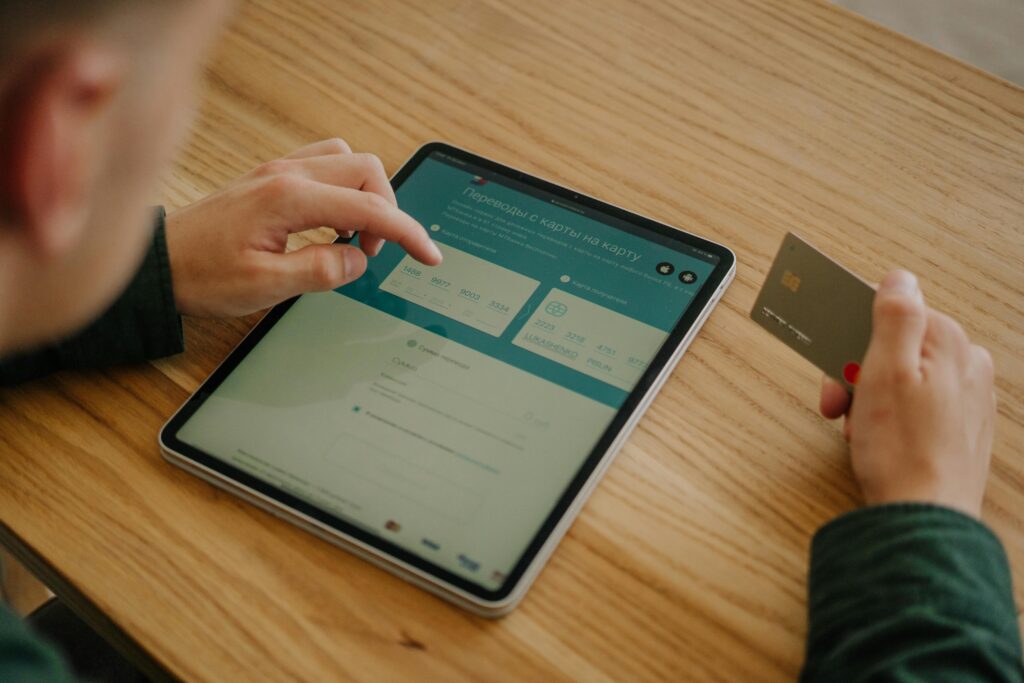
A seamless giving experience removes friction and encourages long-term commitment. If donating feels complicated or confusing, potential supporters are far less likely to enroll in monthly giving. Churches should ensure their online giving pages are:
- Mobile-friendly, since many donors give on smartphones
- Easy to navigate, with minimal steps to complete a gift
- Informative about impact, clearly explaining how donations are used
- Clear on how monthly giving works, including frequency and flexibility
When the giving process feels simple and transparent, donors are more confident committing to recurring support.
Make the Case for Monthly Giving
People are more likely to give consistently when they understand the purpose behind their commitment. Churches must clearly communicate why monthly giving matters and how it strengthens the ministry. Effective messaging should:
- Explain how monthly gifts stabilize the church, enabling better planning
- Share real stories, showing what sustained support makes possible
- Highlight progress, demonstrating how recurring gifts fund ongoing initiatives
By connecting monthly giving to tangible outcomes, churches help donors see their contributions as essential rather than optional.
Use Multiple Channels to Communicate
A successful monthly donor program requires consistent visibility across all church communication platforms. Relying on a single announcement limits awareness and participation. Instead, churches should integrate recurring giving messages across:
- Sunday worship services, both in-person and online
- Sermon series, tying generosity to biblical teaching
- Email campaigns, offering reminders and impact stories
- Social media, using simple calls to action
- Church newsletters, reinforcing the message regularly
Repeated exposure keeps monthly giving top-of-mind and normalizes ongoing support.
Celebrate Your Monthly Donors
Recognition plays a powerful role in donor retention. When monthly supporters feel appreciated, they are more likely to continue giving and deepen their involvement. Churches can celebrate monthly donors by offering:
- Personalized thank-you messages, acknowledging their commitment
- Periodic impact reports, showing how their gifts make a difference
- Exclusive updates or special events, fostering a sense of community
Thoughtful recognition reinforces partnership, strengthens loyalty, and encourages sustained generosity over time.
Overcoming Common Barriers to Recurring Giving
“I Don’t Know How to Sign Up”
Many congregants are willing to give monthly but feel uncertain about the process. Confusion, not resistance, is often the real barrier. Churches can overcome this by providing simple, step-by-step instructions both online and in print. Short video tutorials, screen demonstrations during services, and clearly labeled “Give Monthly” buttons can make a big difference. Having volunteers or staff available after services to walk people through the sign-up process builds confidence and trust. When the process feels approachable and supported, more congregants are likely to commit to recurring giving.
“I Prefer Giving in Person”
Some members value the tradition and symbolism of giving during worship services. Churches should honor this preference while gently introducing digital options as a complementary—not replacement—method. Leaders can explain that online giving supports consistency when members are traveling, ill, or attending online services. Demonstrating how digital giving works during service announcements helps bridge the gap. By framing online giving as an extension of faithful stewardship rather than a departure from tradition, churches can help in-person givers feel comfortable adopting new methods over time.
“I’m Not Sure It’s Secure”
Security concerns are common, especially among congregants unfamiliar with online transactions. Churches must address these fears directly and transparently. Selecting reputable, trusted giving platforms with strong encryption and compliance standards is essential. Communicate clearly that donor information is protected and never shared. Providing brief explanations about security measures during announcements or on the giving page builds reassurance. When congregants understand that digital fundraising & online giving platforms meet the same safety standards as online banking, they are far more likely to participate confidently.
Measuring and Growing Your Digital Fundraising Impact
Track Key Metrics

Measuring performance is essential for strengthening your monthly donor program and ensuring long-term success. Without clear data, it’s difficult to know what’s working and what needs improvement. Churches should consistently monitor key metrics such as:
- Number of recurring donors, to assess program adoption
- Total recurring revenue, to understand financial stability
- Year-over-year retention rates, to evaluate donor loyalty
- Average gift size, to identify giving trends
- Growth patterns over time, to measure sustainability
Regular analysis of these metrics enables church leaders to make informed decisions, refine strategies, and maximize the impact of digital fundraising & online giving.
Adjust and Innovate
Digital fundraising & online giving continue to evolve, and churches must adapt to stay effective. Strategies that worked a few years ago may no longer meet donor expectations today. Staying current with emerging trends helps churches remain relevant and accessible. This includes embracing mobile-first giving experiences, text-to-give options, and personalized donor communication.
Regularly testing new tools, refining messaging, and listening to donor feedback ensures continuous improvement. By remaining flexible and open to innovation, churches can strengthen recurring giving programs and sustain long-term growth in an increasingly digital world.
Also read:5 Digital Fundraising Tools Every Ministry Should Use
Wrap-Up: The Future of Church Funding
Churches that intentionally adopt digital fundraising & online giving, and especially those that build robust monthly donor programs, position themselves for steady year-over-year growth. By investing in easy online giving tools, clear communication, and thoughtful engagement with recurring donors, ministries can move beyond reactive fundraising and toward proactive financial health. The result? Less stress, more ministry impact, and a congregation empowered to give generously and consistently.
10 Frequently Asked Questions (FAQs)
1. What is digital fundraising & online giving for churches?
Digital fundraising & online giving refers to systems that allow congregants to give electronically via the web, mobile apps, or automated recurring programs.
2. Why is recurring giving important for churches?
Recurring giving provides predictable support, helps stabilize budgets, and reduces dependency on seasonal giving.
3. How do monthly donor programs work?
Monthly donor programs enable supporters to schedule automatic contributions, usually via credit/debit cards or bank transfers.
4. What tools support digital fundraising & online giving?
Church giving platforms like Donorbox and others offer online giving, recurring donations, mobile giving, and reporting features.
5. How can a church encourage recurring donations?
Promote recurring options regularly, explain their impact, and make sign-up easy both online and in church communications.
6. Do online giving platforms cost money?
Many have tiered pricing or transaction fees, but some are free to start and affordable for small churches.
7. Is online giving secure?
Yes — reputable platforms use encryption and PCI compliance to protect donor information.
8. Can online giving increase total donations?
Churches that adopt online giving often see overall donation increases due to convenience and accessibility.
9. How can we measure success in recurring giving?
Track recurring donor counts, revenue growth, retention, and average gift size over time.
10. How do we keep monthly donors engaged?
Share updates, celebrate impact, and provide exclusive content or events for recurring supporters.