For first-time applicants, grant writing can feel like stepping into a foreign country without a map. New terminology, rigid formats, confusing requirements, and fear of “doing it wrong” stop many organizations from ever submitting their first proposal. Even ministries and nonprofits doing incredible work often delay grant funding simply because the process feels overwhelming.
This is exactly why Grant Writing 101 matters.
Grant writing is not about being a professional writer, mastering academic language, or knowing insiders at foundations. It is about understanding a predictable structure, answering the right questions clearly, and aligning your work with what funders already want to support. Once you see the pattern, the fear fades—and the process becomes repeatable.
This guide breaks Grant Writing 101 into a simple, practical framework designed specifically for first-time applicants. You’ll learn how grant proposals are structured, what funders actually look for, and how to move from overwhelm to confident submission—step by step.
Grant Writing 101 Framework: From Confusion to Clarity
Why Grant Writing Feels Overwhelming at First
Before diving into the framework, it’s important to understand why first-time applicants struggle.
Common Sources of Overwhelm
- Unfamiliar terminology
- Long application instructions
- Fear of rejection
- Pressure to “sound professional”

The key insight of Grant Writing 101 is this: every successful grant writer started as a beginner. What separates those who succeed is not talent—it’s having a clear framework.
What Grant Writing Really Is (and Isn’t)
Grant Writing Is Not Creative Writing
One of the biggest misconceptions addressed in Grant Writing 101 is the belief that successful grant proposals depend on elegant prose, emotional storytelling, or persuasive flair. While passion for your mission matters, grant writing is not a creative writing exercise—and treating it like one often leads to rejection. Funders are not evaluating proposals based on how inspiring they sound; they are evaluating them based on how clearly they communicate value, feasibility, and impact.
Grant writing is structured, meaning proposals follow predictable formats and sections that funders expect. It is evidence-based, requiring data, documentation, and proof that the problem exists and that your organization is capable of addressing it. And it is outcome-focused, emphasizing measurable change rather than good intentions. Overly poetic language, vague vision statements, or spiritual metaphors often obscure meaning instead of strengthening it. Funders want clarity, alignment with their priorities, and credibility rooted in facts—not eloquence for its own sake.
Grant Writing Is Structured Problem-Solving
At its core, Grant Writing 101 reveals that every grant proposal is simply a structured response to a problem a funder already cares about. Once you understand this, grant writing stops feeling intimidating and starts feeling logical. Regardless of the funder or application format, nearly all proposals are designed to answer five essential questions: What problem exists? Who does it affect? What will you do about it? What will change as a result? And how will funds be used responsibly?
Funders use these questions to assess risk, impact, and alignment. They are asking whether the problem is real and documented, whether the population is clearly defined, whether the solution is practical, whether outcomes are measurable, and whether financial stewardship can be trusted. When first-time applicants organize their proposals around these questions, they naturally meet most funder expectations without overthinking the process. This problem-solving mindset transforms Grant Writing 101 from a confusing task into a repeatable framework that builds confidence with every submission.
Organizational Background: Who You Are and Why You Matter

The organizational background section answers a simple but critical question for funders: Who are we trusting with this investment? Funders are not only funding a program—they are funding the organization behind it. This section establishes your credibility, stability, and capacity to deliver results. For first-time applicants, the goal is not to impress with length, but to reassure with clarity.
Strong organizational backgrounds include a clear mission statement, a brief history of the organization, a description of who you serve, and a short list of relevant accomplishments. These accomplishments do not need to be grant-funded successes; they can include years of service, community partnerships, volunteer engagement, or program milestones. Avoid long narratives or theological explanations. In Grant Writing 101, concise credibility always beats storytelling. Funders want confidence that you are legitimate, experienced, and capable—without having to search for the point.
Statement of Need: Defining the Problem Clearly
The statement of need is often the most important section of the entire proposal because it justifies why funding should exist at all. If the funder does not believe the problem is real, urgent, and solvable, no amount of passion elsewhere will compensate. This section answers the question: Why does this program matter right now?
A common beginner mistake is relying entirely on emotional language such as “our community is struggling” or “there is great need.” While these statements may be true, they lack evidence. The Grant Writing 101 fix is balance. Combine local statistics, credible research data, and brief real-life examples that illustrate the human impact behind the numbers. Data establishes credibility; stories create connection. Together, they build trust. When funders can clearly see the problem—and believe your organization understands it deeply—they are far more likely to keep reading.
Program Description: What You Will Do
The program description translates your mission into action. First-time applicants often describe vision, passion, or long-term dreams instead of clearly explaining what will actually happen if the grant is awarded. Funders, however, want specificity. They need to visualize implementation.
A strong program description outlines specific activities, realistic timelines, who is responsible for carrying out the work, and how many people will be served. This is not the place for abstract language or broad promises. Instead, walk the funder through the program step by step, as if you are explaining how it will operate on a day-to-day basis. In Grant Writing 101, clarity always wins over ambition. A modest, well-defined program is far more fundable than a sweeping vision that lacks operational detail.
Goals vs. Outcomes: A Critical Distinction

One of the most common reasons first-time applicants are rejected is confusion between goals, activities, and outcomes. Many proposals list what the organization plans to do and label it as impact. Funders, however, are not funding effort—they are funding change.
In Grant Writing 101, the distinction is simple but powerful. Activities are what you do: workshops, services, classes, outreach. Outcomes are what change as a result of those activities. Outcomes should be measurable and specific. For example, “hosting weekly workshops” is an activity, while “participants increase job readiness skills, with 70% securing employment” is an outcome. Mastering this distinction signals to funders that you understand accountability and impact. It transforms your proposal from a plan of action into a plan for results.
Evaluation: How Success Will Be Measured
Evaluation often intimidates first-time applicants, but funders are not expecting complex research studies or expensive data systems. They are simply asking how you will know whether your program worked. In Grant Writing 101, evaluation is about realism, not perfection.
Simple evaluation methods are often sufficient. These can include attendance tracking, pre- and post-surveys, follow-up check-ins, or basic progress reports. The key is alignment: your evaluation method should directly measure the outcomes you promised. Overly complex evaluation plans can actually hurt credibility if they seem unrealistic for your organization’s capacity. Funders prefer honest, manageable approaches that demonstrate thoughtfulness. A clear, simple evaluation plan reassures funders that their investment will be monitored and learned from.
Budget: Telling the Financial Story
The budget is more than a spreadsheet—it is a reflection of how well you understand your program. Funders review budgets to assess realism, stewardship, and alignment. Weak budgets are one of the fastest ways to lose credibility, especially for first-time applicants.
Common beginner mistakes include using rounded numbers with no explanation, listing costs that don’t match program activities, or omitting personnel expenses entirely. In Grant Writing 101, the budget rule is straightforward: every dollar should connect to an activity, a staff role, or a measurable outcome. When numbers clearly support the narrative, funders gain confidence that their funds will be used responsibly. A clear, logical budget tells a financial story that reinforces—not contradicts—your proposal.
Budget Narrative: Explaining the Numbers
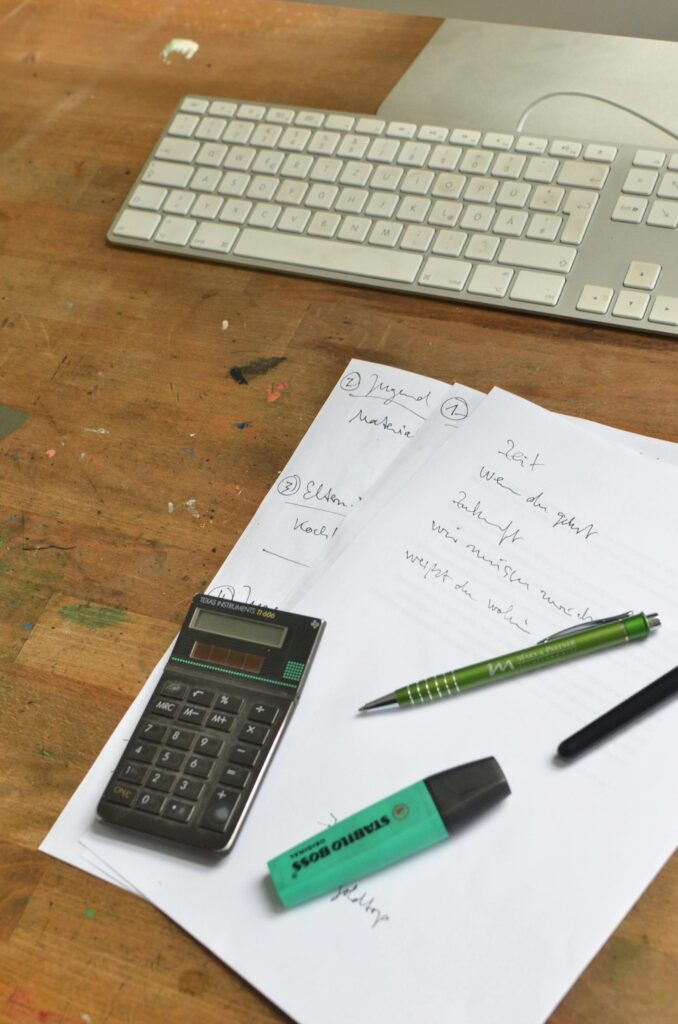
The budget narrative exists to translate numbers into meaning. While the budget shows what you plan to spend, the narrative explains why those costs are necessary. This section is especially important for first-time applicants, as it demonstrates transparency and intentional planning.
A strong budget narrative explains why each expense exists, how grant funds will be allocated specifically, and what other funding sources contribute to the program. It reassures funders that their investment is part of a larger, thoughtful financial picture. In Grant Writing 101, this transparency builds trust. Funders are far more comfortable awarding grants when they clearly understand how their money fits into the overall program structure.
Sustainability: What Happens After the Grant
Funders almost always ask some version of the same question: What happens when our funding ends? Sustainability does not mean your program must last forever, nor does it require guaranteed future funding. It simply shows that you have thought beyond the grant period.
Beginner-friendly sustainability options include organizational support, volunteer involvement, partnerships, diversified funding, or scaling the program based on available resources. In Grant Writing 101, sustainability means thoughtfulness, not permanence. Funders want reassurance that their grant will not disappear into a short-term effort with no plan. Even a modest, realistic sustainability plan signals responsibility and long-term thinking.
Common Grant Writing 101 Mistakes First-Time Applicants Make
First-time applicants often sabotage strong programs with avoidable mistakes. One of the most costly is failing to read and follow guidelines carefully. Missing attachments, exceeding word limits, or ignoring formatting instructions often lead to automatic rejection—regardless of program quality. The Grant Writing 101 rule is absolute: follow instructions exactly.
Another common mistake is submitting only one proposal and waiting for a miracle. Grant funding follows the law of averages. Rejection is normal, even for excellent organizations. Submitting consistently is essential. Finally, many beginners try to sound “too professional,” using complex language that reduces clarity. In Grant Writing 101, clear, direct, and honest writing always outperforms jargon-heavy prose.
How to Reduce Overwhelm with Templates and Systems
Many first-time applicants burn out because they attempt to reinvent the wheel with every proposal. Writing from scratch increases stress, inconsistency, and errors. In Grant Writing 101, systems are not shortcuts—they are safeguards.
Templates and systems provide reusable language, consistent structure, and faster completion. They allow applicants to focus on alignment and customization instead of formatting and repetition. Over time, systems also make it possible for multiple team members—staff, volunteers, or board members—to contribute. This reduces dependency on one person and turns grant writing into a shared, sustainable process rather than a source of overwhelm.
How Technology Simplifies Grant Writing 101 Today
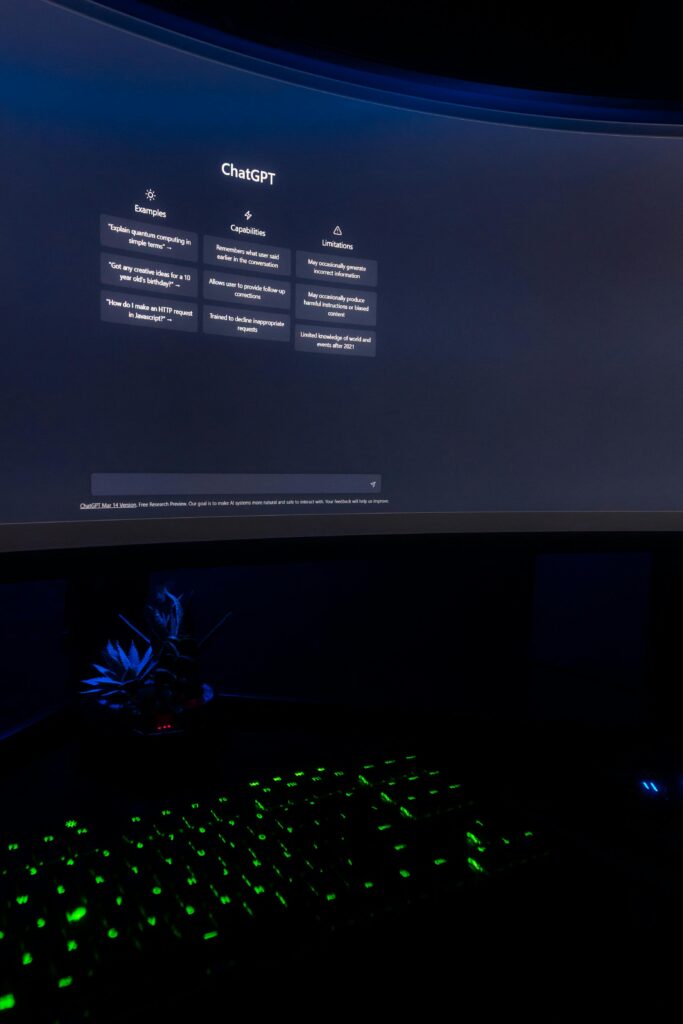
Technology has transformed how first-time applicants approach grant writing. Modern platforms now guide users step by step, breaking complex applications into manageable sections and reducing cognitive overload. Many tools mirror donor-preferred tone, helping beginners write in language funders expect—even without prior experience.
This democratization allows non-experts to write confidently, reduces reliance on expensive consultants, and dramatically increases proposal volume. For ministries and nonprofits with limited staff, these tools turn Grant Writing 101 from a steep learning curve into a guided pathway. Technology doesn’t replace strategy—but it removes friction, making consistency and confidence achievable much faster.
Wrap-Up: Grant Writing 101 Is a Skill—Not a Talent
Grant writing does not require special credentials, insider knowledge, or perfect writing ability. It requires understanding structure, following a framework, and submitting consistently.
Once first-time applicants master Grant Writing 101, overwhelm is replaced with clarity. Fear is replaced with confidence. And grant funding becomes a repeatable process instead of a daunting mystery.
If you want to accelerate this journey, reduce writing costs by up to 90%, and empower staff, volunteers, or board members to write donor-aligned proposals, modern AI-powered tools now make it possible.
Boost your proposal volume, cut writing costs by up to 90%, and write in donor-preferred tone. Start your free trial at GrantWriterAI.com.
Frequently Asked Questions (FAQs)
1. Is Grant Writing 101 only for nonprofits?
No. Ministries, churches, and community organizations can all use this framework.
2. How long does it take to learn Grant Writing 101?
Most people grasp the basics within a few proposals.
3. Do I need prior experience to apply for grants?
No. First-time applicants are welcome in many funding programs.
4. What is the hardest part of grant writing for beginners?
Understanding outcomes and evaluation.
5. How long does a typical proposal take to write?
With templates, 5–10 hours is common.
6. Are grants guaranteed if I follow Grant Writing 101?
No, but your success rate improves significantly.
7. Can volunteers help with grant writing?
Yes, especially with structured systems and guidance.
8. How many grants should beginners apply for?
As many aligned opportunities as capacity allows.
9. What causes most beginner grant rejections?
Misalignment with funder priorities and unclear outcomes.
10. What’s the fastest way to master Grant Writing 101?
Use donor-aligned templates and guided platforms like GrantWriterAI.