How to Convert GoFundMe Donors Into Long-Term Supporters
Crowdfunding can create a surge of compassion in a very short time. A story resonates, people give quickly, and your GoFundMe campaign gains momentum. But after the campaign slows down, many organizers face the same frustrating reality: the support was real, but it was brief. The gifts were generous, yet they remained one-time transactions instead of becoming lasting relationships.
That is why learning how to convert GoFundMe donors into long-term supporters matters so much. The challenge is not only raising money in the moment. The bigger opportunity is building a bridge from impulse giving to sustained commitment.
This matters even more today because donor retention remains difficult across the sector. GoFundMe Pro notes that the average donor retention rate in 2024 was 42.9%, down from 2023 and continuing a multi-year decline. At the same time, GoFundMe and other donor stewardship resources consistently emphasize that timely thanks, meaningful updates, and structured email follow-up can improve repeat giving and deepen trust.
The good news is that how to convert GoFundMe donors into long-term supporters is not mysterious. It comes down to three things done well: capturing contact information ethically, following up with relevance, and stewarding donors like real partners rather than one-time ATM machines. When those three elements work together, a donor who gave once because they were moved by a story can become someone who gives again, shares your cause, joins your email list, and even turns into a monthly supporter.
Why one-time crowdfunding donors rarely stay on their own
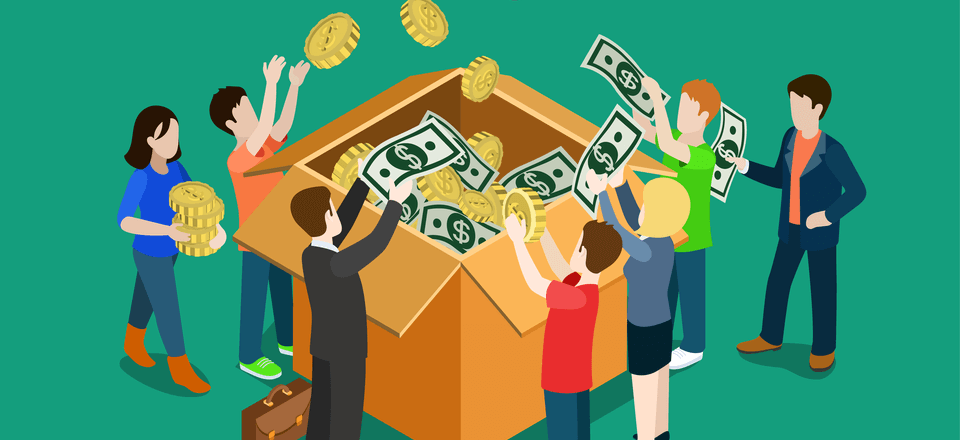
Most GoFundMe donors do not disappear because they do not care. They disappear because there is no intentional path for staying connected. Many campaigns focus heavily on the fundraising page, then go quiet once the target is met or urgency fades. That silence breaks momentum.
GoFundMe’s own donor retention guidance stresses that the most important work often begins after donations start coming in. Their recommendations include thanking donors promptly, posting fundraising updates, and using those updates to show impact and maintain transparency. They also note that updates can be emailed directly to subscribed donors, keeping your cause visible in the inbox rather than letting it vanish after the initial gift.
If you want to master how to convert GoFundMe donors into long-term supporters, you have to stop treating the donation as the finish line. It is the beginning of the relationship.
The mindset shift: from campaign donor to community member
The strongest retention strategies begin with identity, not just messaging. A person who made a gift through GoFundMe should not simply be viewed as “someone who donated.” They should be seen as a new member of your mission community.
That shift changes your communication. Instead of only saying, “Thank you for your donation,” you begin saying, “Here is what you made possible. Here is what happens next. Here is how you can stay involved.” This is the emotional core of how to convert GoFundMe donors into long-term supporters.
Bloomerang’s donor loyalty guidance makes a similar point: loyal support grows from personalized cultivation, emotional connection, and intentional touchpoints that make donors feel seen, valued, and essential to the mission.
Step one: capture the relationship, not just the gift
If you cannot reach a donor again, you cannot retain them. That is why email capture is the first operational priority in how to convert GoFundMe donors into long-term supporters.
Build ethical email capture into the donor journey
Email capture should never feel sneaky. It should feel like an invitation to stay informed. If your campaign includes a website, landing page, or thank-you environment beyond the GoFundMe page, offer donors a clear chance to subscribe for updates, stories, milestones, and future opportunities to help.
Your message can be simple: “Want to see the impact of your gift and receive updates on this journey?” That framing works because it is donor-centered. People are far more likely to share contact information when they understand the value of staying connected.
GoFundMe Pro’s welcome email guidance highlights that a short multi-part welcome series helps new supporters feel appreciated, understand the impact of their contribution, and build trust from day one.
What to collect and what not to overcomplicate
At the start, keep it lean. Name and email address are enough. If your form is too demanding, conversion drops. You can learn more later through engagement and optional preference updates.
The goal in how to convert GoFundMe donors into long-term supporters is not building a giant data file on day one. It is preserving permission to continue the conversation.
Step two: follow up quickly while emotion is still warm

Time matters. Donor retention advice from GoFundMe highlights that timely acknowledgment increases the likelihood of giving again, and cites research showing donors are more likely to return when they receive a prompt and personal thank-you.
That means your first follow-up should happen fast.
The ideal first 48 hours
Within the first 48 hours, a donor should receive a message that does three things:
- expresses genuine gratitude,
- confirms the impact or purpose of the gift,
- opens the door to future connection.
Do not make the first email an immediate hard ask for more money. That is one of the fastest ways to ruin early trust. In how to convert GoFundMe donors into long-term supporters, the first email is about reassurance and belonging.
A strong first email sounds human. It references the campaign, names the need, and explains why the donor’s action mattered right now.
What donors actually want after giving
GoFundMe reports that donors want updates showing how their help made a difference, and cites research that many donors are eager for stories of personal impact. That is a crucial insight. Many campaign organizers assume donors only care about the initial problem. In reality, they also care about the outcome.
So if you are serious about how to convert GoFundMe donors into long-term supporters, your follow-up cannot stop at “thanks.” It has to evolve into “here is what happened because you gave.”
Step three: use stewardship to build trust over time
Stewardship is the discipline that turns interest into loyalty. Double the Donation defines donor stewardship as extending the relationship beyond the gift, with the goal of encouraging donors to give again through deeper connection. They also stress that regular communication helps organizations conserve resources and build a more reliable donor pool.
This is the engine behind how to convert GoFundMe donors into long-term supporters.
Create a simple 30-day donor journey
You do not need a giant automation stack to start. A simple 30-day sequence can work well:
Email 1: Immediate thank-you
A warm acknowledgment with a clear statement of what their gift means.
Email 2: Story of impact
Sent within 5 to 7 days. Show progress, outcomes, photos, milestones, or a human story.
Email 3: Behind-the-scenes context
Explain what still needs to happen, what challenges remain, and how support continues to matter.
Email 4: Invitation to stay involved
Offer a non-financial next step such as subscribing, following, sharing, volunteering, or joining a monthly giving circle.
GoFundMe Pro specifically recommends a 3- to 4-part welcome campaign to appreciate supporters, demonstrate impact, and foster trust.
Personalization matters more than polish
You do not need perfect design. You need relevance. Mention the campaign they supported. Reference the issue they cared about. Use language that feels like a person speaking to a person.
Bloomerang’s recent stewardship guidance reinforces that personalized touchpoints and emotional connection are central to transforming one-time donors into lifelong supporters.
When people ask how to convert GoFundMe donors into long-term supporters, they often look for a trick. There is no trick. The answer is thoughtful consistency.
Step four: invite the second gift at the right moment

A second gift is often the true threshold between casual support and emerging loyalty. That is why how to convert GoFundMe donors into long-term supporters depends on timing your next ask well.
Do not rush the upgrade
A donor who has just given needs a reason to keep caring, not immediate pressure to give again. Steward first. Then ask.
Bloomerang’s donor loyalty example points to a structured cultivation timeline where nurturing comes before a new solicitation, often around the 90-day mark depending on context.
That does not mean every campaign must wait exactly 90 days. It means you should earn the second ask through communication.
Present recurring giving as continuity, not obligation
If you want to move donors from GoFundMe into long-term support, recurring giving is one of the best pathways. Neon One reports that the average nonprofit grew its recurring donor base by 127% from 2018 to 2022, showing that monthly giving continues to gain traction.
Frame the invitation clearly:
“Your one-time gift met an urgent need. A monthly gift helps us keep this progress going.”
That is much more persuasive than a generic “Please donate again.”
Step five: segment and listen
Not every donor should receive the same messages. Some gave because of personal connection. Others responded to urgency. Some want stories. Others want outcomes and numbers.
That is why advanced execution of how to convert GoFundMe donors into long-term supporters includes segmentation.
Useful segments to create early
You can begin with four practical groups:
- first-time donors,
- repeat donors,
- high-engagement readers who open and click emails,
- donors who have not engaged since giving.
Double the Donation also recommends segmenting stewardship efforts because donor relationships improve when communication reflects actual donor composition and behavior.
Ask simple preference questions
A short email asking what updates donors care about most can be surprisingly effective. It tells supporters you value their preferences, and it helps you send better communication later.
This is a hidden advantage in how to convert GoFundMe donors into long-term supporters: retention improves when donors feel known.
Common mistakes that weaken donor conversion

Many campaigns fail at how to convert GoFundMe donors into long-term supporters because of avoidable errors.
Going silent after the fundraiser peaks
Silence creates emotional distance. If donors do not hear from you, they assume the story ended or their role no longer matters.
Sending only asks and no outcomes
A donor inbox filled with requests but lacking proof of impact will eventually be ignored.
Treating every donor the same
Uniform messaging may be efficient, but it is rarely relational.
Making the next step unclear
People are more likely to stay involved when the path is obvious. Tell them exactly what they can do next.
Donor conversion email sequence idea
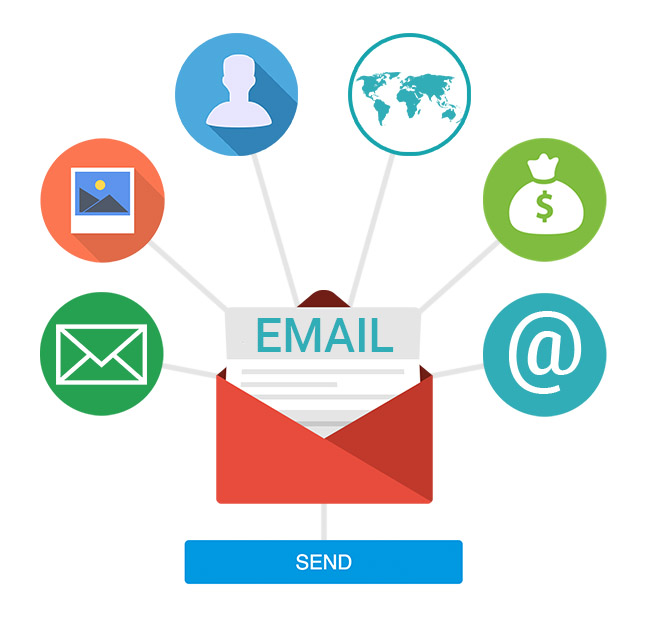
Since one of the most practical upsells here is a donor conversion email sequence, here is a simple structure you can use:
Email 1: Thank you and confirmation
Subject: You made this possible
Purpose: gratitude, reassurance, emotional closure
Email 2: Early impact update
Subject: Here is what your gift has already started
Purpose: show movement, build trust
Email 3: The deeper story
Subject: Why this work still matters
Purpose: context, urgency, mission connection
Email 4: Stay part of the journey
Subject: Want to keep helping beyond this campaign?
Purpose: invite subscription, community, or monthly support
Email 5: Soft recurring ask
Subject: Could you help sustain this each month?
Purpose: convert warm donors into repeat or recurring givers
GoFundMe Pro’s retention and welcome-email resources support this kind of structured email approach, emphasizing that a well-built email journey can turn first-time donors into long-term supporters.
Also read:How to Structure a GoFundMe Story That Opens Hearts and Inspires Giving
Wrap up
The real opportunity in crowdfunding is not only raising urgent money. It is building durable trust. If you understand how to convert GoFundMe donors into long-term supporters, you stop chasing one-time gifts and start building a supporter base that grows with your mission.
Email capture gives you permission to continue the relationship. Follow-up keeps the emotional connection alive. Stewardship proves that the donor’s gift mattered and still matters. Over time, those practices turn quick generosity into lasting commitment.
That is the heart of how to convert GoFundMe donors into long-term supporters: do not let the donation be the end of the story. Make it the first chapter.
FAQs
1. What is the best way to convert GoFundMe donors into long-term supporters?
The best way is to combine email capture, a prompt thank-you, regular impact updates, and a thoughtful follow-up sequence that eventually invites donors into repeat or recurring giving.
2. Why do most GoFundMe donors give only once?
Many donors give once because there is no intentional post-donation journey. Without updates, stewardship, and continued communication, the relationship fades.
3. When should I send the first follow-up email?
Ideally within 48 hours. Prompt acknowledgment is strongly associated with better donor response and future giving.
4. How many emails should be in a donor conversion sequence?
A 3- to 4-part welcome or nurture series is a strong starting point, though many organizations extend it to five emails when adding a soft recurring-giving invitation.
5. What should I include in donor updates?
Include impact, progress, transparency, stories, and next steps. Donors want to see what changed because of their gift.
6. Should I ask GoFundMe donors to become monthly donors?
Yes, but only after stewardship. Show value and outcomes first, then invite them to sustain the work through recurring support.
7. Is email really necessary for donor retention?
Yes. Email remains one of the most effective channels for welcome sequences, updates, and ongoing stewardship. GoFundMe Pro explicitly recommends structured welcome email series for retention.
8. How do I make donors feel appreciated without sounding scripted?
Use specific, human language. Mention the campaign, name the impact, and write like a person speaking directly to another person.
9. What is donor stewardship in simple terms?
Donor stewardship is the process of continuing the relationship after a gift so the donor feels valued, informed, and connected enough to support again.
10. What is the biggest mistake in donor conversion after a GoFundMe campaign?
The biggest mistake is going silent after the campaign’s peak. Without consistent communication, even deeply motivated donors drift away.