Why LinkedIn Deserves a Serious Place in Your Ministry Growth Strategy
Many ministries still treat LinkedIn like a secondary social platform, something useful for recruiting staff but not especially relevant for partnerships, donor relationships, or long-term funding. That is a costly mistake. LinkedIn was built for professional trust, institutional visibility, and strategic relationship-building, which makes it highly relevant for ministries that want to connect with business leaders, philanthropists, board prospects, foundations, and aligned organizations.
LinkedIn’s own nonprofit initiative has emphasized features such as LinkedIn Live, Events, newsletters, articles, and Groups specifically to help nonprofits increase their reach and impact, while sector guidance from AFP and other nonprofit experts points to LinkedIn as a practical channel for finding and engaging supporters, partners, and influential advocates.
For ministries, that matters because funding rarely begins with a cold ask. It usually begins with trust. It begins with someone discovering your work, understanding your credibility, seeing who is connected to your mission, and deciding that your ministry is worth a deeper conversation.
That is exactly where LinkedIn for ministry partnerships and funding becomes powerful. Instead of treating the platform as a digital résumé site, ministries can use it as a front door for institutional trust, relationship cultivation, and strategic visibility. Sector sources consistently note that nonprofits can use LinkedIn to build brand credibility, share thought leadership, attract volunteers and board members, and create meaningful donor and sponsor relationships over time.
The deeper opportunity is not simply posting more often. The opportunity is positioning your ministry in a way that makes the right people want to partner with you. When used well, LinkedIn for ministry partnerships and funding helps your organization move from being unseen to being discoverable, from being admired quietly to being referred publicly, and from making one-off requests to building ongoing strategic relationships.
What Makes LinkedIn Different From Other Platforms
Most social platforms reward emotional immediacy, entertainment, or broad awareness. LinkedIn rewards professional clarity, mission credibility, and informed conversation. For a ministry, that means your content can meet people in a different mindset. They are not only scrolling for inspiration.
They are evaluating leadership, priorities, partnerships, and causes worth supporting. This is one reason nonprofit specialists describe LinkedIn as a place where organizations can build thought leadership, highlight impact, and connect with donors, sponsors, volunteers, and board-level talent.
That is why LinkedIn for ministry partnerships and funding should not copy your Facebook strategy. On Facebook or Instagram, a ministry may focus on community warmth and everyday updates. On LinkedIn, the content should show why your ministry is trustworthy, effective, well-led, and partnership-ready.
The platform gives you room to do that through your Page, leadership profiles, articles, newsletters, event invitations, and thoughtful commenting on sector conversations. LinkedIn’s nonprofit resource hub was created specifically to help organizations use these capabilities more fully because many nonprofits were underusing the platform.
The Real Reason Ministries Underuse LinkedIn
The pain point is not usually a lack of potential. It is a lack of clarity. Many ministry teams do not know what to post, who to connect with, or how to move from visibility to real partnership conversations. Some assume LinkedIn is too corporate for ministry. Others worry that sharing funding-related content will feel transactional.
In practice, the opposite is often true. LinkedIn gives ministries a context where organizational purpose, leadership conviction, and measurable community impact can be presented with seriousness and credibility. AFP’s nonprofit guidance frames the platform as a place to find and engage donors, board members, and others who can move a mission forward.
So the question is not whether ministries belong there. The question is whether they are willing to use LinkedIn for ministry partnerships and funding with the same intentionality they bring to donor meetings, church networks, and community engagement.
How to Position Your Ministry So Partners Take You Seriously
Before chasing growth, start with positioning. A weak LinkedIn presence sends a signal, even if your ministry does meaningful work offline. An incomplete Page, vague description, inconsistent branding, or inactive leadership profile can make a ministry look smaller, less organized, or less ready for partnership than it truly is. Multiple nonprofit guides stress the importance of a strong Page, clear mission communication, and consistent identity because your LinkedIn presence often acts as a first impression.
Build a Ministry Page That Answers Four Questions Fast
Your LinkedIn Page should immediately answer:
What do you do?
Who do you serve?
Why does your work matter now?
How can someone engage further?
This is where LinkedIn for ministry partnerships and funding becomes practical rather than theoretical. Your Page is not merely informational. It is persuasive in a quiet, professional way. Use a clear banner, a concise “About” section, a compelling tagline, updated contact details, and a link to your website or partnership page.
Highlight outcomes, not just activities. Instead of saying, “We serve communities through faith-based outreach,” show what that means in real terms: leadership development, youth discipleship, family support, church planting, education initiatives, counseling, or community transformation. Nonprofit specialists repeatedly recommend optimizing the Page as a central credibility asset.
Let Leadership Profiles Support the Ministry Brand
A ministry Page alone is not enough. People often evaluate organizations through the leaders behind them. Executive directors, founders, ministry leaders, development staff, and board chairs should have strong profiles aligned with the ministry’s mission. That includes updated headlines, professional photos, thoughtful summaries, and visible engagement with ministry-related conversations. Thought leadership is one of the clearest recurring themes in nonprofit LinkedIn guidance because people partner with leaders before they partner with logos.
What to Post When You Want Partnerships, Not Just Likes
A ministry that posts only event flyers or donation appeals will struggle on LinkedIn. The platform works better when your content helps people understand your thinking, your impact, and your readiness for collaboration. The most effective content mix for LinkedIn for ministry partnerships and funding usually includes impact stories, field insights, partner spotlights, leadership reflections, volunteer expertise, and issue-based commentary relevant to your ministry space. Nonprofit LinkedIn guides consistently point to thought leadership, educational content, and community-centered storytelling as stronger long-term strategies than purely promotional posting.
Four Content Categories That Work
1. Mission credibility posts
Share evidence of work already happening. This could include progress updates, outcomes, short case stories, milestone announcements, or lessons from the field. These posts reassure potential partners that your ministry does real work with real results.
2. Thought leadership posts
Comment on issues affecting the communities you serve. For example, a youth ministry might speak on mentorship, digital discipleship, mental health, or church-community collaboration. This positions your ministry as a serious contributor, not just a recipient of support. Thought leadership is a recurring best practice across nonprofit LinkedIn guidance.
3. Partnership visibility posts
Celebrate collaborators, volunteers, sponsors, churches, and businesses that have stood with your ministry. This creates social proof and shows that partnership with your organization is normal, valuable, and publicly appreciated.
4. Invitation posts
These are not direct donation asks every week. They are clear opportunities for aligned people to engage: attend a briefing, join a webinar, request a conversation, explore sponsorship options, or connect around a shared cause. LinkedIn Events and related nonprofit resources exist precisely to support these kinds of mission-driven engagements.
How to Find the Right People Without Sounding Transactional
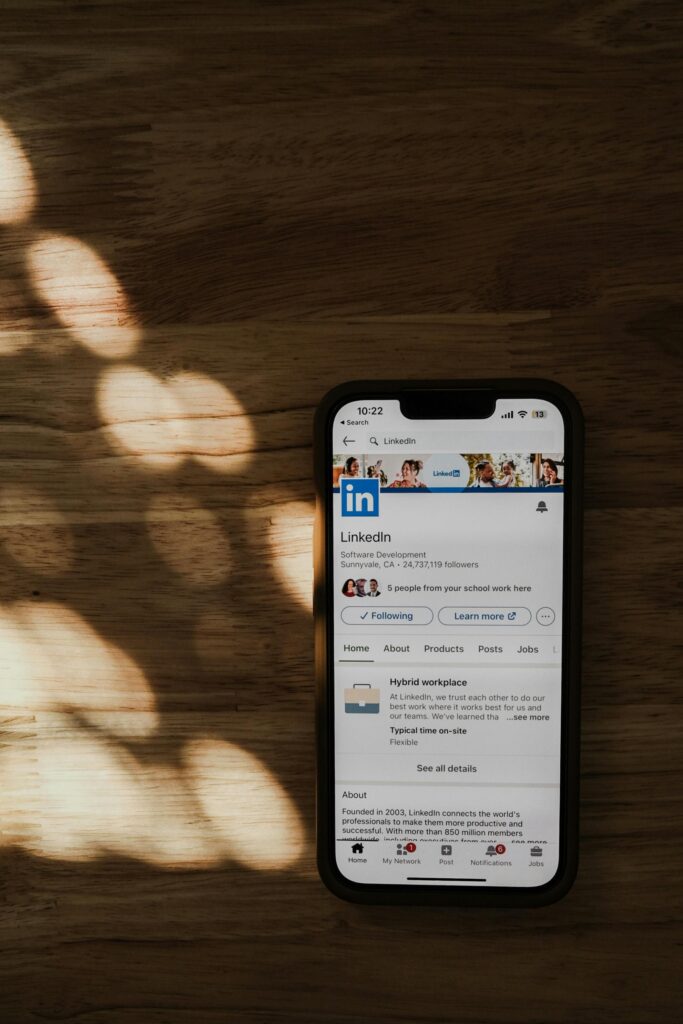
One reason LinkedIn for ministry partnerships and funding works so well is searchability. Ministries can identify people by role, sector, geography, employer, and mutual connections. That means you can intentionally look for CSR leaders, foundation staff, church-network influencers, business owners, development professionals, communications leaders, and board-caliber advocates who align with your mission. Nonprofit guidance specifically highlights LinkedIn’s usefulness for identifying donors and sponsors through search and network-based discovery.
But discovery is only step one. The relationship approach matters more.
Use the 3-step ministry networking pattern
Step 1: Warm visibility
Engage with a person’s content before messaging them. Leave a thoughtful comment. Share an insight. Refer to something they care about. This makes your ministry visible in a credible way.
Step 2: Relevant connection
Send a short connection request tied to shared purpose, not immediate need. Mention a mutual interest, event, cause area, or community outcome.
Step 3: Value-first conversation
After connecting, do not rush into a funding ask. Share a useful resource, invite them to a discussion, or ask for their perspective on an issue affecting the people you serve. Nonprofit fundraising guidance warns against treating LinkedIn like a cold-calling engine and instead emphasizes trust, authenticity, and real value.
This is where many ministries go wrong. They turn a trust-building platform into a shortcut for urgent fundraising. That weakens the relationship before it begins. Strong LinkedIn for ministry partnerships and funding strategy is slower at first, but far stronger over time.
Using Newsletters, Events, and Articles to Deepen Trust
LinkedIn is not only a feed platform. It also offers longer-form tools that help ministries build authority with less dependence on unpredictable reach. LinkedIn’s nonprofit resources explicitly point organizations toward newsletters, articles, Live, Events, and Groups because those features help deepen engagement and strengthen mission visibility.
Why newsletters matter for ministries
A LinkedIn newsletter lets your ministry publish recurring insights that followers can subscribe to, often receiving notifications through LinkedIn. Nonprofit guidance notes newsletters can support thought leadership, repurpose existing content, and keep supporters connected to your mission in a consistent way.
A ministry newsletter could focus on:
- community transformation stories
- leadership reflections
- partnership opportunities
- faith and social impact
- lessons from ministry fieldwork
Why events matter for ministries
A LinkedIn Event can gather potential partners around a topic rather than a generic support appeal. Think donor briefings, impact roundtables, mission breakfasts, online panel discussions, or volunteer leadership conversations. This allows LinkedIn for ministry partnerships and funding to create real dialogue, not just passive awareness. Sector coverage of LinkedIn’s nonprofit tools repeatedly includes Events and Live as important features for mission-driven organizations.
Metrics That Actually Matter
Ministries sometimes measure LinkedIn success the wrong way. Viral reach is nice, but it is not the main goal. More practical indicators include page visitors, follower quality, engagement rate, click-through rate, event sign-ups, conversation requests, and actual partnership meetings. GiveWP’s nonprofit LinkedIn guidance cites five especially useful indicators: unique visitors, followers, impressions, engagement rate, and click-through rate.
For LinkedIn for ministry partnerships and funding, also watch:
- how many qualified people from aligned sectors are connecting
- whether more partners mention finding you through LinkedIn
- which posts lead to conversations, not just reactions
- whether your leadership team is receiving speaking or collaboration invitations
These indicators show whether the platform is creating relational momentum.
A 30-Day Starter Plan for Ministries
If your ministry has underused LinkedIn, begin simply.
Week 1: Fix the foundation
Update the Page, sharpen the mission statement, add branded visuals, and align leadership profiles.
Week 2: Establish content rhythm
Post one mission story, one leadership insight, and one partner or volunteer spotlight.
Week 3: Start strategic networking
Identify 25 to 50 aligned professionals and begin relevant, thoughtful engagement before sending connection requests.
Week 4: Create one deeper asset
Launch a short article, event, or newsletter issue focused on a ministry challenge your partners care about.
This simple plan can move your ministry from passive presence to purposeful visibility, which is the real starting point for LinkedIn for ministry partnerships and funding.
Also read:Using TikTok for Your Ministry Fundraising Goals and Win Over Gen-Z Donors
Wrap Up
Ministries do not need to become louder on LinkedIn. They need to become clearer, more visible, and more intentional. The platform is especially valuable because it sits at the intersection of trust, leadership, and institutional credibility. That makes it one of the most underused channels for ministries seeking partnerships, influence, and sustainable support. Current nonprofit guidance is clear: LinkedIn can help mission-driven organizations build thought leadership, reach donors and sponsors, showcase impact, and create meaningful professional connections when they use the platform strategically.
Used well, LinkedIn for ministry partnerships and funding is not about chasing attention. It is about helping the right people discover your mission, respect your leadership, trust your work, and step into partnership at the right time.
FAQs
1. Is LinkedIn really useful for ministries?
Yes. LinkedIn is especially useful for ministries seeking professional partnerships, sponsor relationships, donor visibility, volunteer expertise, board connections, and institutional credibility. Nonprofit sector guidance repeatedly identifies it as a platform for engaging donors, partners, and supporters.
2. How often should a ministry post on LinkedIn?
Consistency matters more than volume. A sustainable rhythm of one to three quality posts per week is often more effective than irregular bursts of content, especially when those posts reflect impact, leadership, and partner relevance.
3. What should ministries avoid posting?
Avoid posting only donation asks, vague spiritual language without context, outdated graphics, or content with no clear relevance to professionals and partners. LinkedIn responds better to useful, credible, mission-connected content.
4. Can small ministries use LinkedIn effectively?
Yes. Smaller ministries can benefit because LinkedIn rewards clarity and credibility, not just ad spend. Even a small team can build authority through strong profiles, thoughtful posts, and strategic relationship-building.
5. Should ministry leaders use personal profiles or only the organization Page?
Both. Organization Pages build institutional trust, while leader profiles create personal credibility and thought leadership. The combination is stronger than either one alone.
6. Is LinkedIn a place for direct fundraising asks?
It can support fundraising, but it works best as a trust-building platform first. Strong nonprofit guidance recommends authenticity and value rather than cold, transactional asks.
7. What kinds of partnerships can ministries find on LinkedIn?
Ministries can connect with business sponsors, philanthropic professionals, church-network leaders, nonprofit collaborators, volunteer experts, board prospects, and cause-aligned organizations.
8. Are LinkedIn newsletters worth it for ministries?
Yes, especially if your ministry has recurring insights, field stories, or leadership reflections to share. Newsletters can strengthen authority and keep supporters engaged over time.
9. How long does it take to see results from LinkedIn for ministry partnerships and funding?
It usually takes time because the strongest outcomes come through relationship-building, not instant conversion. Early wins often show up as profile visits, better connections, event attendance, and warm conversations before funding results follow.
10. What is the biggest mistake ministries make on LinkedIn?
The biggest mistake is treating LinkedIn as inactive real estate or using it only when asking for support. Ministries get better results when they consistently build trust, share insight, and engage people before making an invitation.