
The Hidden Key to Better Church Funding
If your church’s online giving results have plateaued, you’re not alone — and there’s a powerful strategy many ministries overlook: A/B testing your donation page. In today’s world of digital fundraising & online giving, simply having a donation page isn’t enough. To meaningfully increase conversions and grow online giving, you need a system for comparing versions of your page, understanding donor behavior, and making data-driven improvements. That’s where A/B testing comes in — and it’s what separates thriving digital fundraising engines from sites that stagnate.
In this comprehensive guide, we’ll explore why your donation page needs A/B testing, how it overcomes performance plateaus, and practical ways to implement tests that boost conversions, donor engagement, and online giving revenue.
Why A/B Testing Is Essential for Digital Fundraising & Online Giving
What Is A/B Testing?
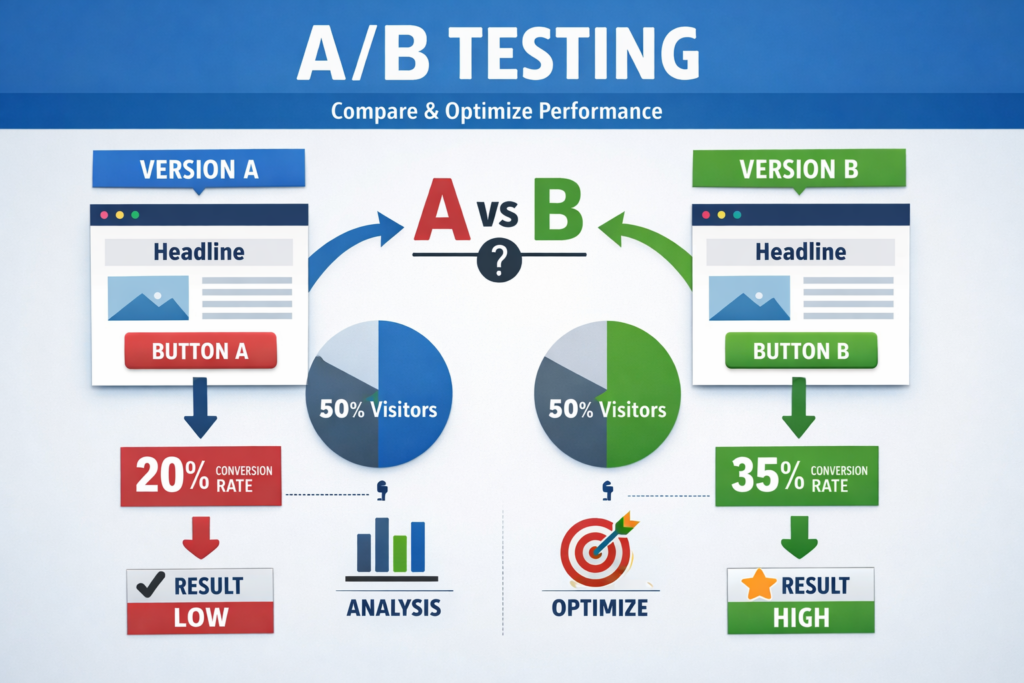
A/B testing, sometimes referred to as split testing, is a data-driven method used to compare two versions of a donation page, fundraising form, or specific online giving element to determine which performs better. One version serves as the control (your current setup), while the other is a variant that includes a single, intentional change—such as a headline, call-to-action button, or suggested donation amount. Traffic is divided between the two versions, and donor behavior is measured in real time. In digital fundraising & online giving, A/B testing helps churches make informed decisions that improve conversion rates and maximize donation impact without relying on guesswork.
The Reality of Performance Plateaus in Online Giving
Many churches invest time and resources into digital fundraising & online giving only to experience a frustrating plateau—where donation totals, donor engagement, and conversion rates stop growing. This stagnation often occurs because decisions are made based on assumptions, tradition, or intuition rather than measurable data. Without testing, churches may unknowingly use messaging, layouts, or donation forms that limit giving potential. A/B testing provides clarity by revealing how real donors interact with online giving pages. Instead of guessing what might work, churches gain actionable insights that help break through plateaus and create sustainable growth in digital fundraising performance.
How A/B Testing Breaks Through Online Giving Plateaus
1. Removes Guesswork, Adds Precision
Many churches and ministries redesign donation pages based on assumptions—what leadership prefers, what looks appealing, or what worked years ago. However, in digital fundraising & online giving, donor behavior is constantly evolving. What inspires one audience may completely miss the mark with another. A/B testing replaces subjective opinions with measurable evidence.
By comparing two versions of a donation page and tracking real donor actions, churches gain precise insights into what actually drives conversions. This precision allows ministries to make confident decisions that steadily improve results, rather than making sweeping changes that may unintentionally hurt online giving performance.
2. Reveals What Donors Really Respond To
In digital fundraising & online giving, small details often have a big impact. A single word change in a call-to-action, a different suggested donation amount, or a revised headline can dramatically influence whether someone completes a gift. A/B testing reveals how donors truly respond to these elements by observing real behavior rather than relying on assumptions. Instead of guessing which message feels more inspiring, churches can see which version generates more donations and higher engagement. Over time, these insights help create donation pages that feel intuitive, emotionally resonant, and aligned with how donors actually choose to give.
Key Elements to Test on Your Church Donation Page
1. Headlines and Messaging
Your headline is the first thing donors notice, and it plays a major role in shaping how they emotionally connect with your digital fundraising & online giving message. A/B testing different headline styles helps churches discover what truly motivates action. You can test variations such as:
- Action-oriented language: “Give Today & Transform Lives”
- Support-focused language: “Support Our Ministry Now”
- Story-driven headlines that highlight individual impact
- Mission-focused headlines that emphasize purpose and vision
Even subtle wording changes can influence trust, urgency, and emotional response. Testing headlines allows churches to refine messaging that resonates deeply with donors and increases online giving conversions.
2. Call-to-Action Buttons
The call-to-action (CTA) button is one of the most important conversion elements in digital fundraising & online giving. A/B testing CTA variations helps churches understand what encourages donors to take the final step. Key elements to test include:
- Button text (e.g., “Donate Now” vs “Help Hope Today”)
- Button color and size, which affect visibility and urgency
- Button placement, such as above the fold or after a short story

Small adjustments to CTAs can dramatically impact click-through rates and completed donations. Testing ensures your donation button is clear, compelling, and optimized for donor action.
3. Suggested Donation Amounts
Suggested donation amounts play a powerful role in shaping donor behavior in digital fundraising & online giving. Preset gift options help reduce decision fatigue and subtly guide donors toward higher contributions. Through A/B testing, churches can evaluate which approach performs best by testing:
- Different gift tiers, such as low, mid, and impact-level amounts
- Custom amounts only versus a mix of preset and open fields
- Anchoring strategies, where higher amounts influence perceived value
Research shows that how donation options are presented can directly affect both conversion rates and average gift size. Testing ensures suggested amounts feel accessible, meaningful, and aligned with donor capacity.
4. Imagery and Visual Cues
Visual elements strongly influence emotional engagement in digital fundraising & online giving. The right imagery can build trust, reinforce mission impact, and motivate generosity. A/B testing allows churches to compare different visual approaches, including:
- Photos of real ministry beneficiaries that highlight lived impact
- Images of church activities or outreach events
- Neutral graphics or icons that keep the page minimal and distraction-free
Authentic, real-life images often create stronger emotional connections than abstract visuals. Testing imagery helps identify what makes donors feel confident, inspired, and ready to give.
5. Mobile-Friendly Layouts

As mobile usage continues to rise, a seamless mobile experience is essential for successful digital fundraising & online giving. Many donors now access donation pages through smartphones, making layout, speed, and usability critical factors. A/B testing helps churches identify mobile-specific issues that reduce conversions, such as:
- Buttons that are too small or hard to tap
- Forms that require excessive scrolling or typing
- Slow page load times that cause donor drop-off
- Poor text readability on smaller screens
By testing mobile-friendly layouts, churches can optimize the giving experience for convenience and clarity, ensuring donors can complete gifts easily—anytime, anywhere.
Also read:Donation Button Placement That Boosts Gifts Automatically
How to Set Up Effective A/B Tests for Online Giving
1. Start With a Clear Hypothesis
Every effective A/B test begins with a clear, focused hypothesis that defines what you are testing and why. In digital fundraising & online giving, this might sound like: “Will changing the button text from ‘Give Now’ to ‘Change a Life Today’ increase donation conversions?” A strong hypothesis keeps testing intentional and prevents random experimentation. It also ensures results are measurable and actionable. Without a defined question, it becomes difficult to determine whether a change truly impacted donor behavior or if results occurred by chance. A clear hypothesis turns testing into a strategic growth tool.
2. Measure the Right Metrics
Successful A/B testing in digital fundraising & online giving requires tracking the right performance indicators. While clicks matter, they don’t tell the full story. Churches should focus on metrics that reflect real giving outcomes, including:
- Conversion rate (percentage of visitors who complete a donation)
- Average donation amount, which reveals giving depth
- Bounce rate and form abandonment, indicating friction points

These metrics provide context and insight beyond surface-level engagement. Measuring the right data helps churches understand donor behavior and make informed decisions that improve long-term online giving performance.
3. Test One Change at a Time
To accurately understand what improves results in digital fundraising & online giving, it’s essential to test only one variable at a time. Whether you’re changing a headline, button color, image, or donation amount, isolating a single element ensures clarity in your results. If multiple changes are made simultaneously, it becomes impossible to determine which adjustment influenced donor behavior. This approach may feel slower, but it produces reliable insights. One focused test at a time allows churches to make confident, data-backed improvements that steadily increase online giving performance without unnecessary risk.
4. Be Patient and Data-Driven
Patience is critical when running A/B tests for digital fundraising & online giving. Tests need enough traffic and time to reach statistical significance, ensuring results are reliable rather than random. Ending a test too early can lead to false positives or missed opportunities for improvement. Instead of reacting to short-term fluctuations, churches should let data guide decisions. A data-driven mindset helps leaders avoid emotional or impulsive changes and ensures optimizations are based on real donor behavior. Over time, this disciplined approach leads to sustainable growth in online giving outcomes.
Integrating A/B Testing Into Your Digital Fundraising Strategy
Build a Culture of Testing
Integrating A/B testing into your digital fundraising & online giving strategy starts with building a culture of testing across your organization. This requires collaboration between fundraising, communications, and web teams so insights are shared and applied consistently. Instead of treating tests as one-time experiments, churches should adopt a mindset of continuous improvement.
Regularly reviewing results, documenting learnings, and applying successful changes creates momentum and confidence in data-driven decisions. When leadership supports testing and teams see tangible improvements in online giving, experimentation becomes a normal, valuable part of fundraising strategy rather than an occasional initiative.
Use Tools That Simplify Testing
The right tools can make A/B testing more accessible and manageable, even for churches with limited technical expertise. Many digital fundraising & online giving platforms include built-in testing features, while tools like Google Optimize allow teams to compare page variations with minimal setup. These platforms automate traffic splitting, data collection, and performance tracking, reducing manual work and errors. By using tools designed for ease of use, churches can focus on interpreting results and improving donor experience rather than struggling with technical complexity. Simplified testing tools empower teams to optimize giving pages consistently and effectively.
Wrap-Up: Turning Plateaus Into Growth Through Data-Driven Giving
If your church is stuck in a plateau of online giving performance, A/B testing is the breakthrough strategy your digital fundraising needs. By testing headlines, forms, imagery, and calls-to-action, you move beyond assumptions into evidence-based optimization — boosting conversions, increasing giving revenue, and creating donation experiences that truly resonate with your supporters.
Whether you’re new to digital fundraising or ready to take your online giving to the next level, embracing A/B testing will unlock insights, deepen donor engagement, and grow your church’s impact.
10 FAQs About A/B Testing & Donation Pages
1. What is A/B testing and how does it improve online giving?
A/B testing compares two versions of a donation page to see which drives higher conversions, removing guesswork from your digital fundraising decisions.
2. How many times should I use the focus keyword in my article?
For SEO best practices, use digital fundraising & online giving at least 10 times throughout your content.
3. Can small changes really increase donations?
Yes — changes to button text, imagery, or suggested donation amounts have been shown to significantly impact conversion rates.
4. How do I choose what to test first?
Start with high-impact elements like headlines, calls-to-action, and form fields.
5. Do I need technical tools to run A/B tests?
Tools like Google Optimize help, but simple tests can also be done manually with careful tracking.
6. How long should an A/B test run?
Run tests long enough to gather statistically significant data — rushing results can yield misleading insights.
7. What metrics matter most in online giving tests?
Conversion rate, average donation amount, bounce rate, and form abandonment.
8. Will A/B testing guarantee more donations?
While it doesn’t guarantee, it increases your chances of discovering elements that resonate with donors.
9. Should I test mobile and desktop separately?
Yes — donor behaviour can differ on mobile, so testing elements specifically for mobile is vital.
10. How often should I run A/B tests?
Continuously — as part of your overall digital fundraising & online giving strategy to keep improving results.