

A Step-by-Step Church Fundraising Plan to Grow Giving, Engagement, and Long-Term Support
Church fundraising is not about scrambling for money when needs arise. It’s about building a rhythm of generosity that aligns with your mission, engages your congregation, and creates sustainable impact.
Many churches struggle because they rely on one-off events or last-minute appeals. But the most effective ministries follow a structured church fundraising plan that builds momentum week by week.
This guide walks you through a proven 12-week church fundraising plan that works every time, combining community engagement, storytelling, and strategic giving systems.
Why Most Church Fundraising Plans Fail

Lack of Clear Vision
People don’t give to budgets—they give to impact. When churches focus on financial needs instead of mission, giving drops significantly.
Over-Reliance on One Method
Many churches depend on a single fundraiser or offering. But successful fundraising combines multiple approaches—events, digital giving, and recurring donations.
Donor Fatigue
Too many asks without enough inspiration leads to disengagement. A healthy balance of communication and fundraising is essential.
What Makes a 12-Week Church Fundraising Plan Effective
It Builds Momentum Gradually
Instead of asking immediately, you guide people through awareness → connection → contribution.
It Combines Online and Offline Giving
Churches using digital giving tools often see higher overall contributions and consistency.
It Focuses on Participation, Not Perfection
More involvement leads to more giving. The goal is engagement at every level.
Phase 1: Weeks 1–4 (Foundation & Vision Building)
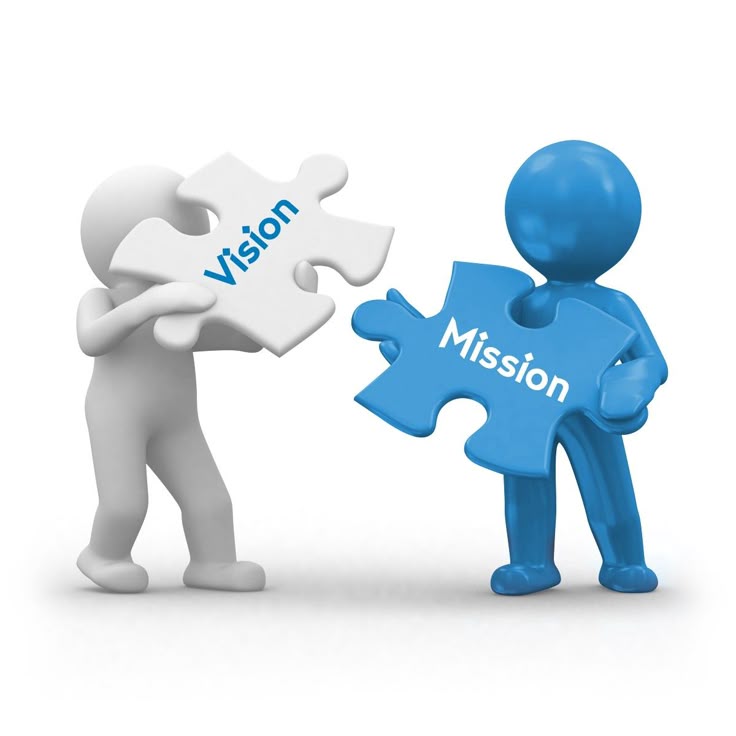
Week 1: Define the Mission Clearly
What Are You Raising Funds For?
Be specific:
- Youth programs
- Community outreach
- Building renovations
- Missions
Instead of:
“We need $10,000”
Say:
“We’re creating a safe space for 200 children every week.”
Clarity increases giving.
Week 2: Build Your Core Team
Assemble a Fundraising Team
Include:
- Church leaders
- Volunteers
- Youth representatives
- Communication leads
This spreads responsibility and increases reach.
Week 3: Craft a Compelling Story
Turn Your Mission Into a Narrative
Your story should answer:
- Who are you helping?
- What problem are you solving?
- What happens if you succeed?
Stories create emotional connection, which drives generosity.
Week 4: Set Up Giving Systems
Make Giving Easy
Set up:
- Mobile giving
- Online donation page
- Recurring donation options
Convenience significantly increases participation.
Also read:How the First 72 Hours Can Ignite Your Church Crowdfunding Campaign
Phase 2: Weeks 5–8 (Engagement & Momentum)
Week 5: Launch Soft Awareness Campaign
Start Talking Before Asking
Use:
- Sermons
- Social media
- WhatsApp groups
- Church announcements
Focus on impact, not money.

Week 6: Introduce Small Engagement Activities
Low-Barrier Fundraising Ideas
Examples:
- Bake sales
- Coffee mornings
- Youth-led car washes
Simple events build early momentum and participation.
Week 7: Share Impact Stories
Show Real-Life Transformation
Share:
- Testimonials
- Photos
- Short videos
When people see impact, they feel part of something bigger.
Week 8: Launch Peer-to-Peer Giving
Let Members Fundraise for You
Encourage:
- Small groups to raise funds
- Youth teams to participate
- Families to contribute collectively
This expands your reach beyond the church.
Phase 3: Weeks 9–12 (Campaign & Conversion)
Week 9: Official Fundraising Launch
Make a Clear Ask
Now is the time to present:
- Your goal
- Timeline
- Expected impact
Confidence matters. When leaders ask boldly, people respond.
Week 10: Host a Major Fundraising Event

Create a High-Energy Moment
Examples:
- Community dinner
- Concert
- Charity walk
- Talent show
Events strengthen community while raising funds.
Week 11: Introduce Recurring Giving
Build Long-Term Sustainability
Encourage members to:
- Give monthly
- Commit to ongoing support
Recurring donors give more over time and stay engaged longer.
Week 12: Celebrate and Close Strong
Share Results Transparently
Announce:
- Total raised
- Impact achieved
- Next steps
Transparency builds trust and future participation.
Proven Church Fundraising Ideas to Use Within Your Plan
Easy Wins (Weeks 5–6)
- Bake sales
- Pancake breakfasts
- Coffee stands
Community Builders (Weeks 8–10)
- Talent shows
- Family fun days
- Service auctions
High-Impact Strategies (Weeks 9–12)

- Matching gift campaigns
- Sponsorship drives
- Online crowdfunding
Combining multiple approaches increases overall success.
How to Multiply Results Without Burning Out Your Team
Focus on Consistency Over Intensity
Small weekly actions outperform one big push.
Empower Volunteers
Don’t centralize everything. Let people lead.
Track What Works
Measure:
- Participation
- Donations
- Engagement levels
Then improve each cycle.
Common Mistakes to Avoid in a Church Fundraising Plan
Asking Too Early
Build connection before making financial requests.
Making Giving Complicated
The more steps involved, the fewer people will give.
Ignoring Follow-Up
Thanking donors and sharing impact increases retention.
🏗️ Ready to Launch Your 12-Week Fundraising Campaign?
A 12-week church fundraising plan can work — but only if you start with the right foundation and follow a clear system.
Most churches struggle because:
- They don’t clearly communicate their vision
- They lack a structured campaign plan
- Their messaging is inconsistent week to week
The result? Slow momentum and missed giving opportunities.
✅ Step 1: Start with a Clear Proposal (Free Template)
Before launching your campaign, you need a strong fundraising proposal that clearly explains your building project and inspires support.
This template will help you:
- Present your vision professionally
- Build trust with your congregation and donors
- Align your entire 12-week campaign message
- Increase your chances of receiving contributions
👉 Download the free proposal template here
🚀 Step 2: Follow a Proven 12-Week Fundraising System
Once your proposal is ready, the next step is execution.
Get the Complete 12-Week Church Building Fundraising Campaign Framework — a step-by-step system to guide your campaign from start to finish.
💡 What’s included:
- Week-by-week fundraising action plan with clear goals
- Sermon outlines and talking points for each phase
- Pledge forms and commitment tracking tools
- Email and SMS sequences for donor engagement
- Milestone celebration and progress update templates
- Campaign launch and closing event guides
💰 Limited Offer: $5.99 (Save 80%)
👉 Get the full 12-week fundraising framework here
💡 Why This Works
Successful church fundraising isn’t random — it’s structured.
With the right tools, you can:
- Build momentum week by week
- Keep your congregation engaged throughout the campaign
- Communicate clearly and consistently
- Raise funds with confidence and clarity
Start with the proposal — then follow a proven system to bring your vision to life.
Wrap-Up: Build a Church Fundraising Plan That Lasts
A successful church fundraising plan is not about luck—it’s about structure, consistency, and connection.
When you:
- Communicate a clear mission
- Engage your community
- Make giving simple
- Build momentum over time
You create a system that works again and again.
The 12-week model gives your church a repeatable framework—one that grows stronger with each cycle.
If you need ready-to-use templates to implement your church fundraising plan faster, explore these practical resources:
https://grassrootsdigital.org/our-templates/
Frequently Asked Questions (FAQs)
1. What is a church fundraising plan?
A church fundraising plan is a structured strategy that outlines how a church will raise funds over a specific period using events, campaigns, and donor engagement.
2. How long should a church fundraising plan last?
A 12-week church fundraising plan is ideal because it allows time for awareness, engagement, and conversion.
3. What is the most effective church fundraising method?
Combining storytelling, digital giving, and community events is the most effective approach.
4. How often should churches run fundraising campaigns?
Churches can run structured campaigns 2–4 times per year while maintaining ongoing giving systems.
5. How can small churches succeed in fundraising?
By focusing on community engagement, simple events, and clear mission-driven messaging.
6. What role does storytelling play in fundraising?
Storytelling helps people connect emotionally, making them more likely to give.
7. Should churches use online fundraising tools?
Yes. Digital giving increases accessibility and overall donations.
8. How do you avoid donor fatigue?
Balance communication with fundraising and focus on impact rather than constant requests.
9. What are the best low-cost fundraising ideas?
Bake sales, car washes, and community meals are simple and effective.
10. How do you increase recurring donations?
Make it easy to sign up, communicate impact regularly, and encourage long-term commitment.