
Build a Church Building Campaign That Starts Strong and Keeps Growing
Launching a church building campaign is not only about raising money for bricks, land, permits, and construction. It is about helping people see how a future building supports present ministry. The most effective campaigns are organized, time-bound efforts built around a clear purpose, strong preparation, and steady communication. In church settings, these campaigns often support a new building, major renovations, debt reduction, or infrastructure needs that regular giving alone cannot cover. They are also commonly structured over one to three years rather than as a single weekend push.
A healthy church building campaign gains momentum when the congregation understands three things early: why the project matters, how it advances ministry, and what role each person can play. Churches that rush straight to the ask often struggle. Churches that prepare people spiritually, organizationally, and financially tend to build stronger trust and better participation. Current campaign guidance repeatedly emphasizes readiness work before launch, including a planning or feasibility process, leadership alignment, and a clear case for support.
That means a fast-moving church building campaign does not begin with pressure. It begins with clarity.
Why a church building campaign needs more than a fundraising goal
A fundraising goal alone rarely creates energy. People do not rally around square footage. They rally around mission. They give when they can connect the building to worship, discipleship, children’s ministry, outreach, safety, accessibility, and future community impact. Several current church campaign guides stress that the project must be presented as ministry growth, not merely construction work.
That shift changes everything.
When leaders say, “We need a bigger building,” support may feel limited. But when leaders say, “We need space to disciple more families, welcome more children, serve our community better, and remove barriers to ministry,” the church building campaign becomes meaningful. It stops feeling like an expense and starts feeling like a shared assignment.
Start with a compelling ministry vision before you talk about money
Before your church prints pledge cards or announces a public goal, answer the deeper question: what future is this building making possible?
People need a picture they can hold onto. They need to know what changes after the building is complete. Will there be more room for worship? Better accessibility for seniors and people with disabilities? Space for counseling, food distribution, youth discipleship, or weekday community programs? A church building campaign gains early traction when the vision is concrete, hopeful, and easy to repeat.
Your ministry vision should be simple enough that leaders, volunteers, and members can explain it in one or two sentences. It should also connect directly to the church’s mission. This alignment matters because churches that tie campaign goals to long-term ministry impact tend to communicate more convincingly and sustain unity more effectively.
Questions to answer before launch
A smart church building campaign usually begins with questions like these:
- Why now?
- What ministry limitations are we experiencing?
- What will this project make possible in the next five to ten years?
- What specific problem will the new facility solve?
- How will this project strengthen both church life and community service?
When these answers are vague, momentum stalls. When they are clear, people begin repeating the vision naturally.
Test readiness before the public launch
One of the most common recommendations in current campaign strategy is to conduct a feasibility or planning study before you launch publicly. This process helps churches assess support, financial capacity, timing, concerns, and message clarity before committing to a final goal.
For a church building campaign, this step can prevent avoidable mistakes. It helps answer whether your congregation is ready, whether your target is realistic, and whether your communication is resonating. It also gives members and major supporters a voice early in the process, which often increases trust and buy-in later.
A readiness review does not have to feel corporate or cold. It can include interviews, surveys, listening sessions, donor conversations, and leadership discussions. The goal is not to slow things down. The goal is to remove friction before the campaign goes public.
What a readiness process should uncover
A strong pre-launch process for a church building campaign should reveal:
Financial confidence
Can the church realistically raise the amount needed over the commitment period?
Leadership alignment
Are pastors, elders, board members, and ministry leaders fully united around the message?
Congregational sentiment
Do people understand the need, or are there unresolved questions and fears?
Major gift potential
Have likely lead supporters been identified and engaged early?
Timing issues
Are there calendar, economic, or ministry factors that could affect participation?
When churches skip this work, they often mistake silence for agreement. That is costly. A better path is to listen early, adjust wisely, and launch with confidence.
Build the leadership core before inviting the crowd

Momentum usually starts in the room before it reaches the platform.
A church building campaign needs visible, credible, spiritually mature leadership. That includes pastoral leadership, finance leaders, respected lay leaders, and practical organizers. Sources on church capital campaigns consistently stress that strong leadership teams are essential because they model generosity, communicate vision, and steady the campaign when emotions fluctuate.
This team should not just approve decisions. It should carry the message.
People pay attention to what leaders prioritize, how clearly they speak, and whether they themselves are invested. When leadership commitment is shallow, the congregation notices. When leadership is prayerful, prepared, and personally engaged, the church building campaign feels trustworthy.
The leadership roles that matter most
A fast-moving church building campaign usually needs:
Vision carriers
These are the people who keep tying the building back to ministry impact.
Relationship builders
These leaders meet with key families, long-time members, and potential lead donors.
Communication leaders
They make sure the message remains clear across sermons, meetings, emails, and printed materials.
Operations coordinators
They track timelines, pledge follow-up, reporting, and campaign logistics.
Not every church needs a huge committee. But every church needs clarity about who owns what.
Also read:Church Funding Secrets: Using Donor Analytics to Grow Your Impact
Set a goal that is ambitious, believable, and well explained
A church building campaign can lose momentum fast when the goal feels random. People want to know how the number was developed. Was it based on project costs, donor capacity, campaign length, and realistic giving patterns? Or was it simply announced from the stage?
Church campaign guidance frequently recommends realistic goal-setting tied to planning data, prior giving, feasibility work, and the structure of the campaign itself. Some church and nonprofit sources also note that capital campaigns often rely heavily on lead gifts and early commitments before broad public participation accelerates.
For that reason, your church building campaign goal should be accompanied by explanation. People do not need every spreadsheet, but they do need confidence that leadership has done the homework.
Break the goal into understandable parts
A large total feels intimidating. A structured path feels achievable.
Consider explaining your church building campaign in layers:
Total project need
Land, design, permits, construction, furnishing, contingency, and campaign expenses.
Campaign target
The amount you are asking the congregation and partners to commit.
Time horizon
How long people will have to fulfill their commitments.
Participation vision
The goal is not only a dollar amount but broad ownership across the church.
This helps people see that their role matters even if they are not one of the largest givers.
Launch the quiet phase before the public phase

Many successful campaigns build momentum in private before they build it in public. In practice, that means engaging leadership and key supporters first, refining the case, and securing early commitments before the congregation-wide launch. This is a common principle in capital campaign strategy because early support creates confidence, social proof, and credibility.
For a church building campaign, this matters because people respond to visible movement. When the public launch begins and the church can already say, “Leaders have prayed, committed, and stepped forward,” the energy changes.
This does not mean creating an elite inner circle. It means sequencing wisely.
What to do in the quiet phase
Before the big Sunday launch of your church building campaign, use the quieter phase to:
Refine the message
Listen to questions and sharpen the way you explain the need.
Confirm leadership gifts
Invite leaders to set the pace through visible commitment.
Meet with key families
Have personal conversations with those most likely to give significantly.
Gather stories
Identify testimonies that connect the project to changed lives and future ministry.
By the time the public phase begins, you are no longer introducing an idea. You are inviting the church into visible progress.
Communicate often enough to build trust, not fatigue
Momentum grows where communication is clear, consistent, and honest. Several current church campaign sources emphasize regular updates, milestone reporting, and transparency as central to trust and continued engagement.
A church building campaign should never leave people wondering what is happening. Silence creates uncertainty. Uncertainty slows giving.
That does not mean constant pressure. It means a steady rhythm of useful communication. Show progress. Share prayer points. Celebrate participation. Explain next steps. Repeat the ministry vision. Keep the tone calm, grateful, and hopeful.
Communication channels that work well
A practical church building campaign often uses multiple channels:
Sermons and vision moments
These help frame the project spiritually and missionally.
Testimonies
Real stories make the campaign feel human.
Printed materials
Brochures, pledge cards, and vision guides give people something tangible.
Email and text updates
These are useful for reminders and progress reports.
Website or dashboard updates
These make progress visible and reduce confusion.
Small group and ministry conversations
These create space for questions and personal reflection.
The key is consistency. The message should sound like one unified voice, not five different campaigns.
Make participation easy for every giver
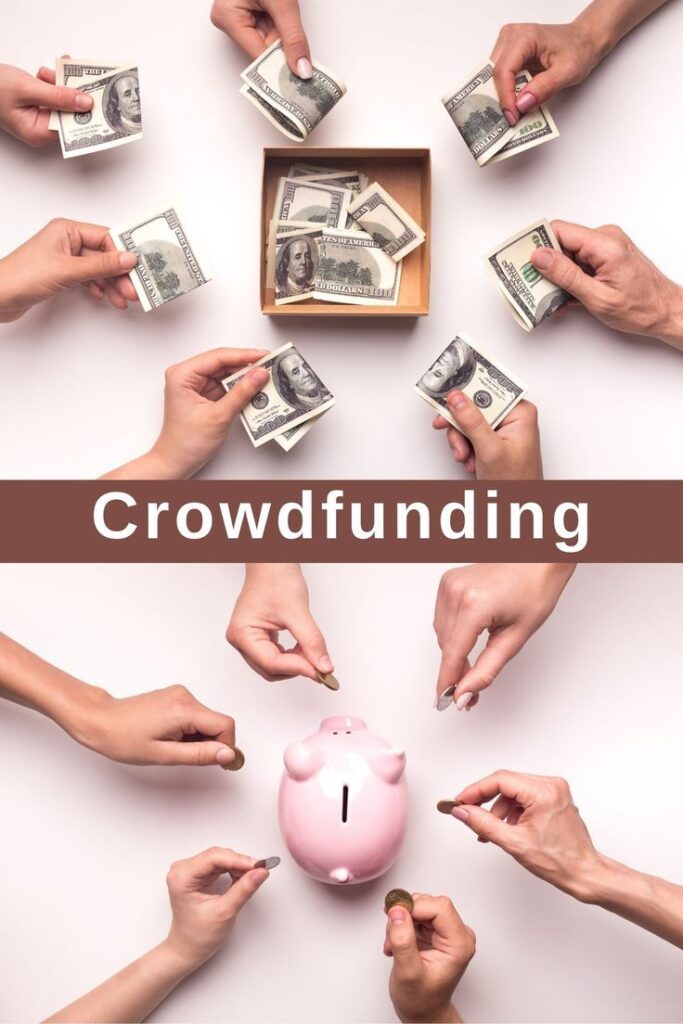
A church building campaign gains momentum faster when people know exactly how to respond. Confusion lowers action. Simplicity increases it.
Church pledge guidance highlights the practical value of commitments over time because many donors can give more through planned multi-month or multi-year pledges than through one-time gifts alone. Progress tracking can also help donors stay engaged throughout the commitment period.
That matters because your church building campaign should welcome both major gifts and faithful smaller commitments. A church grows stronger when people across income levels feel included in the mission.
Reduce friction in the giving process
To keep your church building campaign moving, make sure people can:
Understand the ask
State clearly what members are being invited to do.
Choose a giving format
One-time gifts, monthly giving, annual gifts, or multi-year pledges.
Give through familiar channels
Online, bank transfer, envelopes, events, or designated offerings.
Track progress
Where appropriate, let donors see how their commitments are being fulfilled.
The easier you make next steps, the more likely people are to act while motivation is high.
Keep the emotional energy alive after commitment Sunday
Many churches put enormous energy into launch weekend and then go quiet. That is one of the fastest ways to lose momentum.
A church building campaign is not finished when commitments are collected. In many cases, campaign follow-up continues for years as gifts are fulfilled, milestones are reached, and the church moves through construction or debt reduction. Church campaign guides regularly describe follow-up and reporting as a defined phase, not an afterthought.
People need to see that their sacrifice is producing visible movement.
How to sustain momentum after launch
A wise church building campaign keeps going through:
Public gratitude
Thank the church often and sincerely.
Milestone celebrations
Celebrate permit approvals, groundbreakings, debt reduction progress, and construction phases.
Story updates
Keep connecting gifts to ministry outcomes.
Honest reporting
Share both wins and challenges with maturity and clarity.
Ongoing invitations
Welcome late participants without shame or pressure.
Momentum is not noise. It is repeated evidence that the church is moving forward together.
Avoid the mistakes that quietly slow a church building campaign

Even strong churches can lose pace when avoidable mistakes creep in.
A church building campaign often slows down when leaders overcomplicate the message, underprepare the team, set unclear goals, communicate inconsistently, or focus too much on facilities and too little on ministry. It can also stall when questions about finances or decision-making are left unaddressed. Current campaign guidance repeatedly points back to preparation, transparency, and alignment as safeguards.
Common momentum killers
Launching too soon
Without readiness work, the campaign enters public view before confidence is built.
Talking only about money
People need purpose, not just numbers.
Assuming everyone understands
Leaders often overestimate how clear the project seems to others.
Ignoring feedback
Concerns that are dismissed early often grow later.
Reporting too little
When progress disappears from view, enthusiasm usually fades too.
A successful church building campaign is not built on pressure. It is built on preparation, trust, and follow-through.
🚀 Launch Your Campaign with Immediate Action — Not Delays
The success of your church building campaign is often decided in the first few days.
If your message isn’t clear from the start, you risk:
- Low initial engagement
- Confusion about your vision
- Slow or delayed giving
- Losing early momentum
Campaigns that succeed don’t wait for momentum — they create it from Day One.
✅ Step 1: Start with a Clear Fundraising Proposal (Free Template)
Before you launch, you need a message people instantly understand and believe in.
This ready-to-use proposal template helps you:
- Clearly communicate your building vision
- Show exactly how funds will be used
- Build trust with your congregation immediately
- Inspire people to take action from the very beginning
👉 Download the free proposal template here
🚀 Step 2: Execute with a Proven 12-Week Campaign Framework
Clarity gets people to act — but structure keeps them giving.
Get the Complete 12-Week Church Building Fundraising Campaign Framework — a step-by-step system designed to turn early action into sustained results.
💡 What’s included:
- Week-by-week campaign action plan with clear goals and milestones
- Sermon outlines and talking points for each phase
- Pledge forms and commitment tracking tools
- Email and SMS sequences for consistent engagement
- Milestone celebration templates and progress updates
- Campaign launch and closing event guides
💰 Limited Offer: $5.99 (Save 80%)
👉 Get the full 12-week fundraising framework here
💡 Why This Works
Campaigns that inspire action from Day One share three things:
- Clear vision
- Strong messaging
- Consistent follow-through
With the right tools, you can:
- Spark immediate giving and engagement
- Build momentum from the very first week
- Keep your congregation involved throughout the campaign
- Turn early excitement into real results
Don’t wait for momentum — create it from the start.
Wrap up
A church building campaign gains momentum fast when the church does the slow work first. Clarify the ministry vision. Test readiness. Align leadership. secure early support. Communicate with consistency. Make giving simple. Report progress honestly. Celebrate every sign of movement.
In the end, people do not give their best because they were pushed. They give because they believe. They give because the vision is clear. They give because leadership is credible. They give because the future feels worth building together.
When your church building campaign is rooted in mission, guided with wisdom, and sustained with transparent communication, it becomes more than a fundraising effort. It becomes a season of unity, sacrifice, and shared purpose that can strengthen the church long before the first wall is built.
FAQs
1. What is a church building campaign?
A church building campaign is a focused fundraising effort designed to support a specific capital need such as new construction, renovation, expansion, or debt reduction tied to a church facility. It is usually separate from regular giving and often runs over a multi-year period.
2. How long should a church building campaign last?
Many church capital campaigns are structured over one to three years, with planning beginning well before the public launch. The exact timeline depends on project size, readiness, and donor capacity.
3. Why is a feasibility study important before launch?
A feasibility study helps determine whether the goal is realistic, whether the congregation is ready, and what concerns or opportunities need to be addressed before the campaign goes public.
4. Should a church building campaign start with the whole congregation?
Usually, no. Many campaigns begin with leadership and key supporters first so the church can refine the message, secure early commitments, and build confidence before a public launch.
5. How do you create momentum in a church building campaign?
Momentum comes from a strong ministry vision, visible leadership support, early wins, regular communication, simple giving options, and ongoing celebration of progress.
6. What should church leaders communicate most often?
Leaders should consistently communicate why the project matters, how it supports ministry, where the campaign stands, and what next steps people can take. Transparency and repetition build trust.
7. Can smaller donors still make a big difference in a church building campaign?
Yes. A church building campaign is strongest when people at every giving level participate. Multi-month or multi-year pledges often allow members to give more meaningfully over time.
8. What is the biggest mistake churches make in building campaigns?
One major mistake is launching publicly before enough planning, listening, and leadership preparation has taken place. Another is focusing too much on the building and not enough on ministry impact.
9. How often should progress be reported?
Progress should be reported regularly throughout the campaign and fulfillment period. Churches commonly use newsletters, meetings, email updates, and digital channels to keep members informed and engaged.
10. Is a church building campaign only about fundraising?
No. A church building campaign is also about spiritual alignment, shared vision, congregation-wide participation, and long-term ministry stewardship. The financial side matters, but the campaign works best when it strengthens unity and mission at the same time.