
Your Contact List Is Not Just a Database. It Is a Relationship System.
Most nonprofits already have more fundraising potential than they realize.
It is sitting in spreadsheets, email platforms, event registration lists, volunteer sign-up forms, old donor records, board member networks, and social media inboxes.
The problem is not always that your nonprofit needs more contacts. The problem is that your contacts are often unorganized, under-communicated with, and asked for support only when money is urgently needed.
That is why learning how to turn your contact list into a fundraising machine matters.
A fundraising machine does not mean sending nonstop donation requests. It means building a simple system that moves people from awareness to trust, from trust to giving, and from giving to long-term commitment.
Current fundraising data shows why this matters. The Fundraising Effectiveness Project reported that in Q1 2025, total fundraising dollars increased by 3.6%, but the number of donors declined by 1.3%, and retention slipped from 18.3% to 18.1%. Small donors giving $1–$100 also dropped sharply, showing that nonprofits cannot rely only on big gifts or emergency campaigns. They need stronger relationship systems.
Start With a Better Definition of Your Contact List
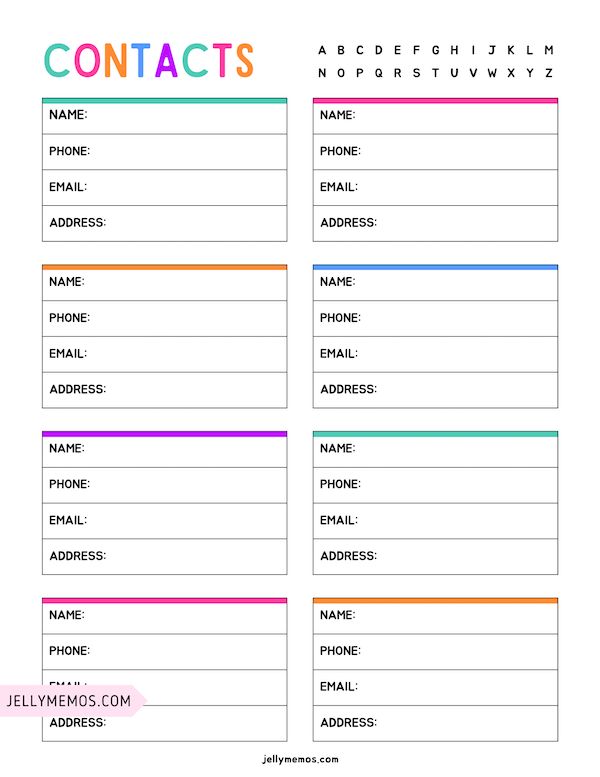
Your contact list is not just a list of names.
It is a map of relationships.
Every person on that list has a different level of connection to your mission. Some are ready to give today. Some need education. Some have given before but disappeared. Some may never give money but could introduce you to someone who will.
To turn your contact list into a fundraising machine, you must stop treating everyone the same.
A board member, a former volunteer, a monthly donor, a first-time event guest, and a local business owner should not all receive the exact same message.
A useful contact list should include:
- Name
- Email address
- Phone number, when available
- Relationship type
- Giving history
- Volunteer history
- Event attendance
- Areas of interest
- Last contact date
- Next recommended action
This does not need to be complex at first. Even a clean spreadsheet is better than a messy donor database nobody uses.
The goal is simple: know who people are, why they care, and what step they should take next.
Clean the List Before You Ask for Money
Many nonprofits want to launch a campaign before cleaning their data.
That is a mistake.
A messy list creates weak fundraising results. You may send appeals to people who already gave, forget loyal donors, miss major prospects, or accidentally ask someone for a small gift when they have the capacity to do much more.
Before you turn your contact list into a fundraising machine, clean it.
Remove or Fix Bad Data
Start by checking for:
- Duplicate names
- Invalid email addresses
- Missing first names
- Outdated phone numbers
- Donors marked incorrectly
- Contacts with no clear source
- People who unsubscribed
This step may feel boring, but it protects trust. A donor who receives three duplicate emails does not feel valued. A volunteer who is treated like a stranger may feel unseen.
Add Relationship Tags
Tags make your list useful.
Common nonprofit tags include:
- Donor
- Monthly donor
- Lapsed donor
- Volunteer
- Board member
- Event attendee
- Program partner
- Corporate contact
- Major donor prospect
- Newsletter subscriber
- Parent, alumni, or community member
Once your list is tagged, your communication becomes more personal.
Blackbaud’s fundraising email guidance emphasizes segmentation because a large contact list cannot be meaningfully addressed as one audience. Segmenting by donor status, event participation, donor tenure, communication preference, geography, and donation amount helps make outreach more relevant.
Segment Contacts by Relationship, Not Just Wealth
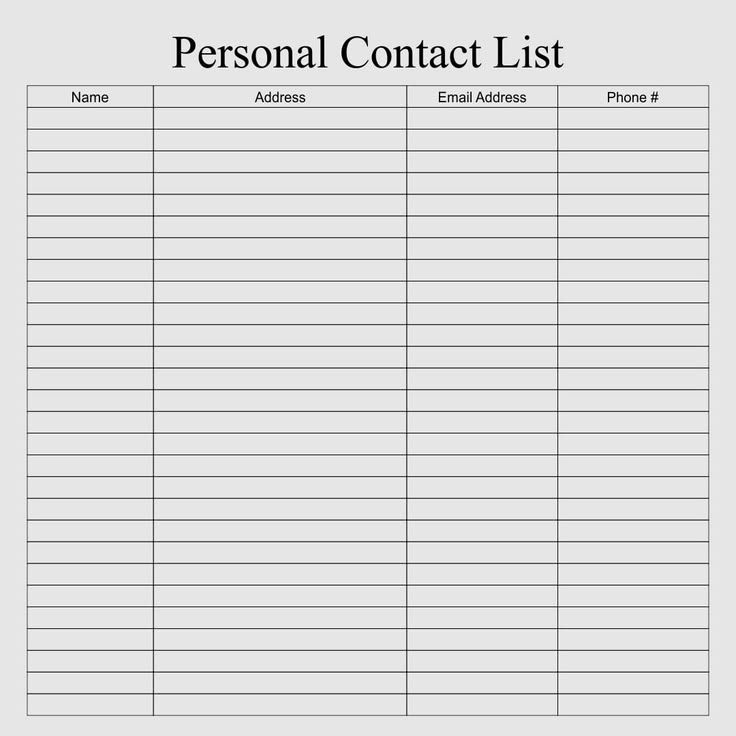
Many nonprofits make the mistake of segmenting only by donation amount.
Money matters, but relationship matters more.
Someone who gave $25 every month for three years may be more valuable than someone who gave $500 once and never replied again. A volunteer who has never donated may become a strong monthly supporter when shown the right story. A former client may become a powerful ambassador.
To turn your contact list into a fundraising machine, segment people by their relationship with your mission.
Segment 1: Warm Supporters
These are people who already know you.
They may include donors, volunteers, board members, past event attendees, and community partners.
They should receive personal updates, impact stories, and specific invitations to give or share.
Segment 2: Past Donors
These are people who gave once but have not given recently.
Do not treat them like strangers. Remind them of their previous impact.
A message to a lapsed donor might say:
“Your past support helped us reach families during a difficult season. We wanted to share what has happened since then and invite you to be part of the next step.”
That feels different from a cold appeal.
Segment 3: New Contacts
These people recently joined your list.
Do not ask too soon unless they clearly joined through a donation campaign. First, help them understand the problem, the people you serve, and the change your organization creates.
Segment 4: High-Engagement Non-Donors
These people open emails, attend events, volunteer, or comment on posts but have not donated.
They are often overlooked.
They may simply need a clear invitation.
Segment 5: Major Gift Prospects
These contacts may have capacity, influence, or deep alignment with your mission.
They should not receive only mass emails. They need personal outreach, phone calls, private briefings, and relationship-building conversations.
Build a Donor Journey for Each Segment
A fundraising machine is not one email.
It is a journey.
People rarely move from “I just heard about this nonprofit” to “Here is my donation” without trust-building in between.
To turn your contact list into a fundraising machine, create a simple journey with four stages.
Stage 1: Welcome
When someone joins your list, send a warm welcome.
Tell them:
- Who you serve
- Why the issue matters
- What change is possible
- How they can stay involved
Keep it human. Avoid sounding like an annual report.
Stage 2: Educate
Help people understand the problem.
Share short stories, field updates, behind-the-scenes notes, and simple explanations.
For example, a youth nonprofit might explain why after-school mentorship matters, what barriers students face, and how consistent adult support changes outcomes.
Stage 3: Invite
Once trust is built, invite the person to act.
That action may be:
- Make a donation
- Become a monthly donor
- Attend an event
- Share a campaign
- Introduce a funder
- Volunteer
- Join a giving circle
Stage 4: Steward
After someone gives, do not disappear.
Thank them. Show impact. Report progress. Invite continued involvement.
Blackbaud recommends the “Ask-Thank-Report-Repeat” cycle, where nonprofits ask, thank donors promptly, report on impact, and then continue the relationship before asking again.
This is one of the simplest ways to turn your contact list into a fundraising machine because it keeps donors from feeling like ATMs.
Create a Simple Communication Rhythm

A contact list becomes powerful when communication is consistent.
Many nonprofits communicate only during urgent campaigns. That trains donors to associate your emails with pressure.
Instead, create a rhythm.
A simple monthly rhythm could look like this:
Week 1: Impact Story
Share one person, family, community, or program story.
Keep it specific. One story is easier to remember than ten statistics.
Week 2: Education Email
Explain one problem your nonprofit is solving.
For example:
“Why transportation is one of the biggest barriers for rural students.”
Week 3: Soft Engagement
Ask people to reply, take a short survey, share a post, or tell you why they care.
This creates two-way communication.
Week 4: Fundraising Invitation
Make a clear ask connected to a specific outcome.
For example:
“$40 helps provide one week of safe transportation for a student.”
This rhythm helps turn your contact list into a fundraising machine because donors hear from you before, during, and after the ask.
Make Every Message Donor-Centered
Many nonprofit fundraising messages focus too much on the organization.
They say:
“We need funding.”
“We are running a campaign.”
“We want to expand.”
“We have a budget gap.”
Those statements may be true, but they are not always motivating.
Donors want to know what their gift makes possible.
A stronger message says:
“Because of your support, a student gets a safe place to learn after school.”
To turn your contact list into a fundraising machine, shift from organization-centered language to donor-centered language.
Before
“We need $25,000 to support our food program.”
After
“Your gift helps families receive fresh food before the end of the month.”
Before
“Our nonprofit has served the community for 12 years.”
After
“For 12 years, supporters like you have helped neighbors find stability, dignity, and hope.”
This small language shift makes donors feel included in the mission.
Use Specific Giving Opportunities
Vague asks create hesitation.
Specific asks create action.
Do not only say, “Please donate.”
Say what the gift does.
Examples:
- $25 provides school supplies for one child
- $50 helps deliver meals to a homebound senior
- $100 funds one counseling session
- $250 supports a family emergency fund
- $1,000 sponsors a full program day
Specific giving levels help people understand impact.
They also make your fundraising list easier to activate because each segment can receive an ask that fits their relationship and capacity.
A first-time donor may receive a $25 ask. A recurring donor may be invited to increase from $20 to $30 per month. A major prospect may receive a personalized proposal for a larger initiative.
That is how you turn your contact list into a fundraising machine without treating every contact like they are identical.
Build Follow-Up Into the System
Most fundraising is lost in the follow-up.
A person opens an email but does not give. A donor says, “Send me more information.” A board member promises an introduction. A volunteer says they want to help with the campaign.
Then no one follows up.
The opportunity fades.
A fundraising machine requires next steps.
Use a Follow-Up Tracker
Create a simple tracker with:
- Contact name
- Segment
- Last action
- Next action
- Owner
- Due date
- Notes
This can live in your CRM, spreadsheet, or project management tool.
The key is ownership. Every important relationship should have a next step and a person responsible for it.
Create Follow-Up Templates
Your team should not rewrite every message from scratch.
Create templates for:
- Thank-you emails
- Lapsed donor reactivation
- Monthly donor invitations
- Event follow-up
- Volunteer-to-donor invitations
- Major donor meeting requests
- Board introduction requests
Templates save time and help interns, volunteers, and staff communicate consistently.
Turn Volunteers Into Donor Ambassadors

Your contact list should not depend only on your staff.
Board members, volunteers, alumni, parents, community leaders, and past donors can help expand your reach.
But they need clear instructions.
Do not say, “Please help us fundraise.”
Say:
“Could you personally invite five people who care about youth development to read this story and consider a gift?”
Give them:
- A short message to send
- A campaign link
- A clear deadline
- A simple goal
- A thank-you note they can forward
This helps turn your contact list into a fundraising machine by multiplying trust. People are more likely to pay attention when a message comes from someone they know.
Classy’s donor experience research highlights the importance of community-building and engaging supporters beyond a nonprofit’s website, especially through channels where people already spend time.
Use Email, But Do Not Rely on Email Alone

Email is still a strong fundraising channel, but it should not be your only channel.
Nonprofit Tech for Good reports that 33% of donors say email is the tool most likely to inspire them to give, and 48% prefer email for updates and fundraising appeals. It also reports that email accounted for 11% of online revenue in 2024.
That means email matters, but your best results often come when email is supported by other touchpoints.
Use:
- Personal phone calls
- Text reminders, when permission is clear
- Social media stories
- Direct mail for key donors
- Small gatherings
- Board introductions
- One-on-one donor meetings
To turn your contact list into a fundraising machine, think in layers. One email may be ignored. An email, followed by a personal note, followed by a story from a board member, is much stronger.
Track the Right Metrics
You cannot improve what you do not track.
But many nonprofits track only total dollars raised.
That is important, but it is not enough.
Track:
- List growth
- Email open rates
- Click rates
- Reply rates
- Donation conversion rate
- Average gift size
- New donors
- Repeat donors
- Monthly donor growth
- Lapsed donor reactivation
- Donor retention
- Unsubscribes
These numbers tell you where the system is working and where it is leaking.
For example:
If many people open but few click, your story may be strong but your call to action may be weak.
If many people click but few donate, your donation page may be confusing.
If many people give once but never again, your stewardship may need work.
The goal is not to create a perfect system. The goal is to improve one part at a time.
Run Small Tests Before Big Campaigns
Do not wait until year-end giving to test your messaging.
Test small things all year.
Try two subject lines. Test two donation amounts. Compare a story-based email with a direct appeal. Try a short message versus a longer one.
A small test can teach your team what your donors respond to.
For example, your nonprofit might discover that donors respond better to:
- A named story instead of a general program update
- A $35 ask instead of a $100 ask
- A deadline-driven campaign instead of an open-ended appeal
- A board member message instead of a staff message
These insights help you turn your contact list into a fundraising machine because every campaign becomes smarter than the last.
Create a 30-Day Contact List Activation Plan

Here is a simple plan your nonprofit can use.
Days 1–5: Clean and Tag the List
Remove duplicates, fix errors, and tag people by relationship.
Start with simple tags. Do not overcomplicate it.
Days 6–10: Choose Three Priority Segments
Pick three groups to focus on first.
For example:
- Lapsed donors
- Volunteers
- Newsletter subscribers
Days 11–15: Write the Journey
Create three messages for each segment:
- A thank-you or welcome message
- An impact story
- A clear invitation to act
Days 16–20: Prepare the Donation Path
Make sure your donation page is easy to use.
Check:
- Is the donation button obvious?
- Does the page work on mobile?
- Are suggested gift amounts clear?
- Is the thank-you message warm?
- Can donors choose monthly giving?
Days 21–25: Launch the First Sequence
Send the first messages.
Watch replies, clicks, and donations.
Do not panic if the first send is imperfect. Action creates learning.
Days 26–30: Follow Up Personally
Call key donors. Email people who clicked but did not give. Thank everyone who responded.
This is where many nonprofits win.
Common Mistakes That Stop Your Contact List From Raising Money

Mistake 1: Asking Only When There Is an Emergency
Emergency appeals can work, but they should not be your whole strategy.
Donors need to hear about impact before they are asked to solve a crisis.
Mistake 2: Sending the Same Message to Everyone
Mass messages are easy, but they often feel impersonal.
Segmentation helps donors feel seen.
Mistake 3: Ignoring Small Donors
Small donors matter.
The FEP data showing declines among small donors is a reminder that broad-based giving needs care, not neglect.
Mistake 4: Forgetting to Thank People Properly
A receipt is not a thank-you.
A real thank-you is warm, specific, and connected to impact.
Mistake 5: Not Asking Clearly
Some nonprofits hint at giving but never make a direct ask.
Your supporters should not have to guess what you want them to do.
Also read:How to Write WhatsApp Messages for Donations That Inspire Instant Giving
📲 Turn Your Contact List Into Real Fundraising Conversations
A contact list only becomes valuable when it leads to meaningful action.
Many churches and nonprofits already have supporters, friends, volunteers, partners, and warm contacts in their phones — but struggle to turn those contacts into real fundraising momentum because:
- They do not know how to start the conversation
- Their outreach feels awkward or too direct
- They are unsure how to follow up
- They have contacts, but no clear messaging system
If you want your contact list to become a real fundraising asset, you need messages that help you move from saved numbers to real donor relationships.
✅ Get Free WhatsApp Outreach Scripts for Churches and Nonprofits
To help you activate your contact list more effectively, we’ve created 15 ready-to-use WhatsApp outreach scripts you can start using right away.
These scripts help you:
- Start conversations naturally
- Reconnect with warm contacts
- Introduce your mission clearly
- Share impact stories that build trust
- Make donation asks in a personal and respectful way
- Follow up thoughtfully and keep supporters engaged
👉 Download the free WhatsApp outreach scripts here
💡 What’s Included
Inside, you’ll get scripts such as:
- First contact introduction
- Soft partnership outreach
- Donor introduction message
- Church outreach message
- Volunteer invitation
- Impact story message
- Donation request message
- Event invitation
- Grant funder introduction
- Follow-up message
- Major donor conversation starter
- CSR partnership outreach
- Community leader outreach
- Monthly partner invitation
- Thank you message
💡 Why This Works
Your contact list becomes a fundraising machine when your messages:
- Feel personal instead of generic
- Build trust before asking for support
- Guide people from first contact to ongoing engagement
- Give you a repeatable system instead of random outreach
With the right scripts, you can stop letting your contact list sit unused and start turning it into conversations, relationships, and real donor support.
Wrap Up: Your List Can Become a Reliable Fundraising System
You do not need a massive audience to raise more money.
You need a better system for the people already connected to your mission.
When you clean your data, segment your contacts, communicate consistently, tell donor-centered stories, make clear asks, and follow up with care, you begin to turn your contact list into a fundraising machine.
The real power is not in the list itself. It is in the relationships behind the list.
A strong fundraising machine helps your nonprofit reduce last-minute panic, depend less on one-off campaigns, and build a healthier pipeline of donors, ambassadors, partners, and recurring supporters.
Start with one segment. Send one better message. Follow up with five people. Thank every donor well.
Small, consistent actions compound.
That is how nonprofits grow from scattered outreach to a reliable fundraising system.
FAQs
1. What does it mean to turn your contact list into a fundraising machine?
It means creating a repeatable system that helps contacts become engaged supporters, donors, repeat donors, and ambassadors. The goal is not to spam people. The goal is to build trust, send relevant messages, make clear asks, and follow up consistently.
2. How often should a nonprofit email its contact list?
Most nonprofits can start with two to four emails per month. The key is balance. Send impact stories, updates, educational content, and fundraising appeals. Do not make every email an ask.
3. What is the first step to turn your contact list into a fundraising machine?
The first step is cleaning and organizing your list. Remove duplicates, fix incorrect information, and tag people by relationship type, such as donor, volunteer, event attendee, board member, or lapsed donor.
4. Should every contact receive the same fundraising appeal?
No. Different contacts have different relationships with your nonprofit. A monthly donor, first-time subscriber, volunteer, and major donor prospect should each receive messaging that fits their connection to your mission.
5. How do I ask lapsed donors to give again?
Start by acknowledging their past support. Share what their previous gift helped make possible, then invite them to renew their impact. Avoid guilt-based language. Make the message warm, respectful, and specific.
6. Can volunteers become donors?
Yes. Volunteers already care enough to give time, which is often a strong sign of mission alignment. Invite them to give by connecting the ask to the work they have personally seen or supported.
7. What should I track in my fundraising contact list?
Track relationship type, giving history, engagement, last contact date, next step, and communication preferences. For campaigns, track opens, clicks, donations, average gift size, repeat gifts, and donor retention.
8. How can a small nonprofit turn your contact list into a fundraising machine without expensive software?
Start with a clean spreadsheet, simple tags, email templates, and a follow-up calendar. You do not need advanced tools at the beginning. You need consistency, clear ownership, and disciplined follow-up.
9. What kind of content should I send before asking for donations?
Send impact stories, community updates, behind-the-scenes notes, donor thank-you messages, and simple explanations of the problem your nonprofit solves. This builds trust before the ask.
10. How long does it take to turn your contact list into a fundraising machine?
You can make progress in 30 days by cleaning your list, choosing priority segments, sending better messages, and following up personally. Building a mature fundraising system takes longer, but the first improvements can happen quickly when your team acts consistently.