How Nonprofits Can Move Supporters From Conversation to Contribution Without Feeling Pushy
A WhatsApp fundraising funnel is not just a series of messages.
It is a relationship path.
Someone hears about your cause. They click a link, scan a QR code, reply to a campaign post, or receive a message from someone they trust. Then, step by step, your nonprofit helps them understand the need, feel connected to the mission, ask a question, see proof, and make a donation.
That is the real power of a WhatsApp fundraising funnel.
WhatsApp matters because it is already part of daily life for many communities. Meta reported that WhatsApp passed more than 3 billion monthly users in 2025, making it one of the largest communication platforms in the world. For nonprofits, this creates a simple opportunity: meet donors where they already are, but do it with care, consent, and respect.
Digital fundraising is also becoming more competitive. M+R’s 2025 Benchmarks found that mobile fundraising messages had a 2.82% average click-through rate, while mobile messages accounted for 0.9% of all online revenue in 2024. That may sound small, but it points to something important: mobile messaging is not a replacement for email, events, donor calls, or grant funding. It is a direct-response layer that can help move warm supporters into action faster.
A strong WhatsApp fundraising funnel works because it feels personal. It does not shout. It does not spam. It opens a conversation.
What Is a WhatsApp Fundraising Funnel?
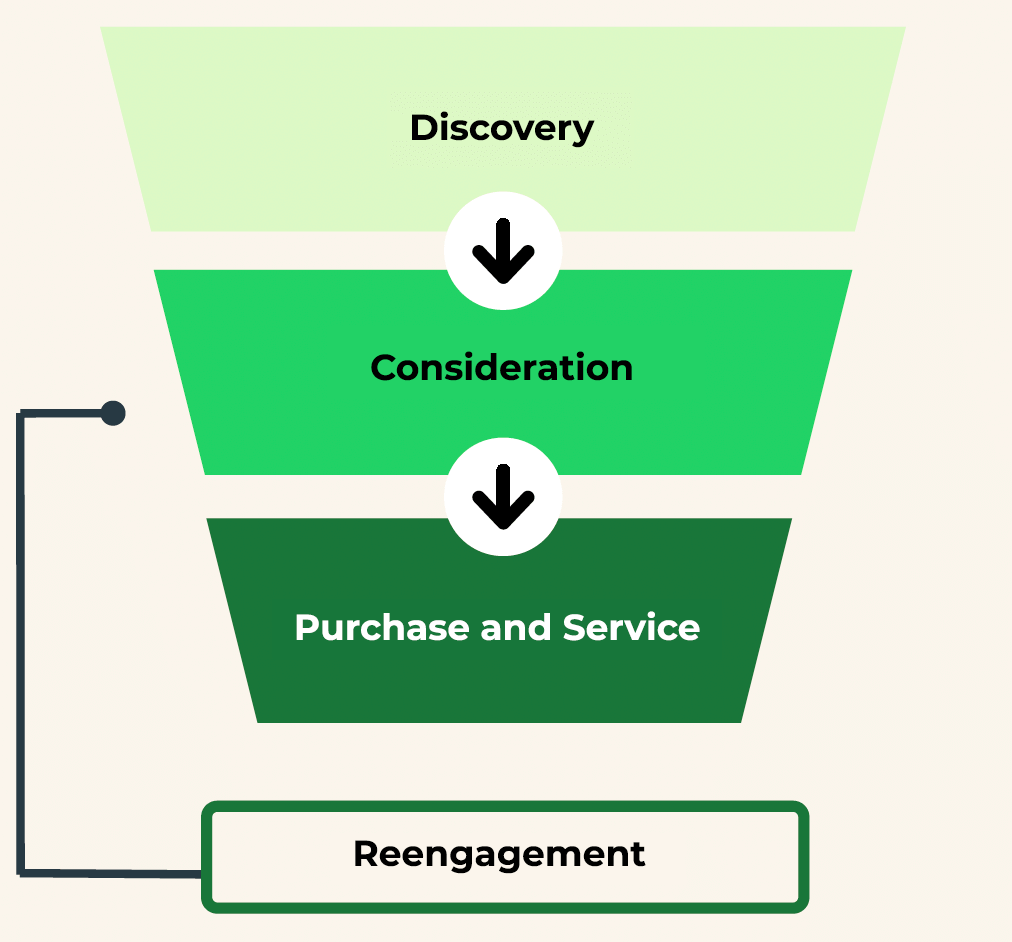
A WhatsApp fundraising funnel is a planned donor journey that uses WhatsApp messages to guide a supporter from awareness to donation.
The funnel usually has five stages:
First Contact
This is where a person first enters your WhatsApp audience.
They may come from:
- A Click-to-WhatsApp ad
- A website button
- A QR code at an event
- A volunteer referral
- A social media post
- A community group announcement
- A donation page follow-up
- A missed-call or SMS campaign
The goal at this stage is not to ask for money immediately. The goal is to get permission to continue the conversation.
WhatsApp business messaging requires careful consent practices. Meta-related WhatsApp business guidance and compliance providers emphasize that organizations should obtain opt-in before sending business-initiated messages, especially for marketing or fundraising communication.
For nonprofits, this means your WhatsApp fundraising funnel should begin with clear permission.
Example:
“Hi, this is Hope Village Foundation. Would you like to receive updates on our school meals campaign and ways to support children in our program?”
This is simple, respectful, and clear.
Trust Building
After someone opts in, do not rush into a donation ask.
First, show them why the cause matters.
A good WhatsApp fundraising funnel uses short, human messages that build belief. Share one story. Share one photo. Share one problem. Share one next step.
For example:
“Today, 43 children attended our after-school reading club. Many of them do not have books at home, so this two-hour program gives them safe learning time after class.”
This kind of message helps the supporter see the work.
Avoid long paragraphs. WhatsApp is not the place for a full annual report. Think of each message as one small bridge.
Engagement
Engagement means the supporter does something before donating.
They may:
- Reply with a question
- Watch a short video
- Click a campaign page
- Vote in a poll
- Share the campaign with a friend
- Ask how donations are used
- Request payment details
This stage is important because people often need a small “yes” before a bigger “yes.”
A WhatsApp fundraising funnel should make engagement easy. Ask simple questions.
Example:
“Would you like to see the budget breakdown for one child’s school meal support?”
A supporter who replies “yes” is now more involved than someone who only received a broadcast.
Donation Ask
The donation ask should come after relevance is clear.
A weak ask says:
“Please donate.”
A stronger ask says:
“$15 helps provide school meals for one child for one week. Would you like to sponsor one child today?”
The second ask works better because it is specific. It connects the amount to an outcome.
Your WhatsApp fundraising funnel should make the donation step easy. Use a mobile-friendly donation page, mobile money option, bank payment instruction, or payment link. In markets where mobile money is common, WhatsApp can work well because donors can move from message to mobile payment quickly. M-Changa, for example, highlights sharing fundraisers through WhatsApp, Facebook, and SMS while accepting mobile money and card donations.
The fewer steps, the better.
Follow-Up
The funnel does not end when someone donates.
Actually, this is where long-term fundraising begins.
Send:
- A thank-you message
- A receipt or confirmation
- A short impact update
- A future invitation
- A monthly giving option
- A referral request
A donor who gives once should not feel like an ATM. They should feel like part of the mission.
That is how a WhatsApp fundraising funnel becomes more than a campaign. It becomes a donor relationship system.
Why WhatsApp Works for Fundraising
WhatsApp works because it is immediate, familiar, and conversational.
Email often feels formal. Social media is crowded. Website donation pages require people to find you. WhatsApp puts your message inside a place where people already talk to family, friends, colleagues, and community groups.
But this is also why nonprofits must be careful.
WhatsApp is personal space.
A WhatsApp fundraising funnel should respect that personal space by following four principles:
Ask Permission First
Do not add people to broadcast lists without consent.
Consent protects trust. It also improves response quality because your audience has chosen to hear from you.
Keep Messages Short
One message should communicate one idea.
Do not send five long blocks of text. Use short updates, clear links, and natural language.
Make the Ask Specific
People give faster when they understand what their gift does.
Instead of:
“Support our work.”
Say:
“$25 helps provide dignity kits for two girls this month.”
Give People a Way Out
Every ethical WhatsApp fundraising funnel should make it easy to stop receiving messages.
Example:
“Reply STOP any time if you no longer want campaign updates.”
This does not weaken your fundraising. It builds trust.
The Best Structure for a WhatsApp Fundraising Funnel
A practical WhatsApp fundraising funnel can be built in seven steps.
Step 1: Define One Campaign Goal
Do not start with messages. Start with the outcome.
Your campaign goal may be:
- Raise $5,000 for emergency food
- Recruit 100 monthly donors
- Fund 50 school kits
- Support a medical outreach
- Sponsor a water project
- Re-engage past donors
One funnel should have one main goal.
When the goal is unclear, the messages become unclear.
A nonprofit raising money for school meals should not mix that ask with volunteer recruitment, newsletter signups, board updates, and event invitations in the same sequence. Keep the funnel focused.
Step 2: Choose the Audience
Not every supporter should receive the same message.
Segment your audience into simple groups:
Warm Donors
These are people who have donated before. They may only need an update and a clear reason to give again.
New Supporters
These are people who recently joined your WhatsApp list. They need more trust-building before the ask.
Volunteers
Volunteers already understand the mission. They may become donors if you show them a specific need.
Community Members
They may care deeply but need a low-cost entry point.
Major Donor Prospects
Do not treat high-capacity supporters like broadcast recipients. Use WhatsApp to open the door, then move to a call or meeting.
This is where many nonprofits make a mistake. They send one message to everyone and wonder why response is weak.
A WhatsApp fundraising funnel performs better when the message matches the relationship.
Step 3: Create the Entry Point
Your funnel needs a doorway.
Use a clear call-to-action:
- “Message us ‘MEALS’ on WhatsApp to sponsor a child.”
- “Scan this QR code to receive the campaign story.”
- “Click here to get the donation link.”
- “Reply YES to receive updates.”
- “Send ‘WATER’ to learn how the project works.”
The entry point should be easy to remember.
For example, at a church, school, community meeting, or gala, a QR code can send people directly into your WhatsApp fundraising funnel. On social media, a Click-to-WhatsApp link can turn passive viewers into active conversations.
Step 4: Write the First Message
The first message should confirm why the person is hearing from you.
Example:
“Hi Sarah, thank you for asking about our school meals campaign. We are helping 200 children receive lunch during the school term. Would you like a quick breakdown of how one donation helps?”
This message does three things:
It confirms context.
It states the mission.
It invites a reply.
That is much better than sending a donation link immediately.
Step 5: Share Proof
Before asking, show proof.
Proof can include:
- A short story
- A photo from the field
- A testimonial
- A budget breakdown
- A progress update
- A voice note from a program lead
- A simple impact number
- A link to a project page
Be careful with dignity. Never exploit beneficiaries. Avoid images or stories that shame the people you serve.
A respectful message might say:
“Here is a short update from our program team. This week, the reading club served 68 learners across two schools. Your support helps us keep the program running through the end of term.”
Proof makes your WhatsApp fundraising funnel believable.
Step 6: Make the Donation Ask
Now make the ask clear.
A strong WhatsApp donation ask includes:
- The amount
- The outcome
- The urgency
- The link or payment method
- A simple question
Example:
“Would you consider giving $20 today? That covers learning materials for one child in the reading club. You can donate here: [link].”
Do not hide the ask. Donors are not offended by clarity. They are confused by vague messaging.
Your WhatsApp fundraising funnel should make giving feel simple, safe, and meaningful.
Step 7: Follow Up Without Pressure
Most people will not donate after the first ask.
That does not mean they do not care.
They may be busy. They may want to ask a spouse. They may need payday. They may need more proof.
Use gentle follow-up.
Example:
“Hi Sarah, just checking whether you had any questions about the reading club campaign. We are closing this round of support on Friday and are currently 70% toward the goal.”
This is useful because it gives context without guilt.
A good follow-up sequence may include:
- Day 1: First story
- Day 2: Proof or impact update
- Day 3: Donation ask
- Day 5: Reminder
- Day 7: Progress update
- Day 10: Final call
- Day 14: Thank-you and results
This kind of WhatsApp fundraising funnel gives people enough time to act without overwhelming them.
Message Templates for a WhatsApp Fundraising Funnel
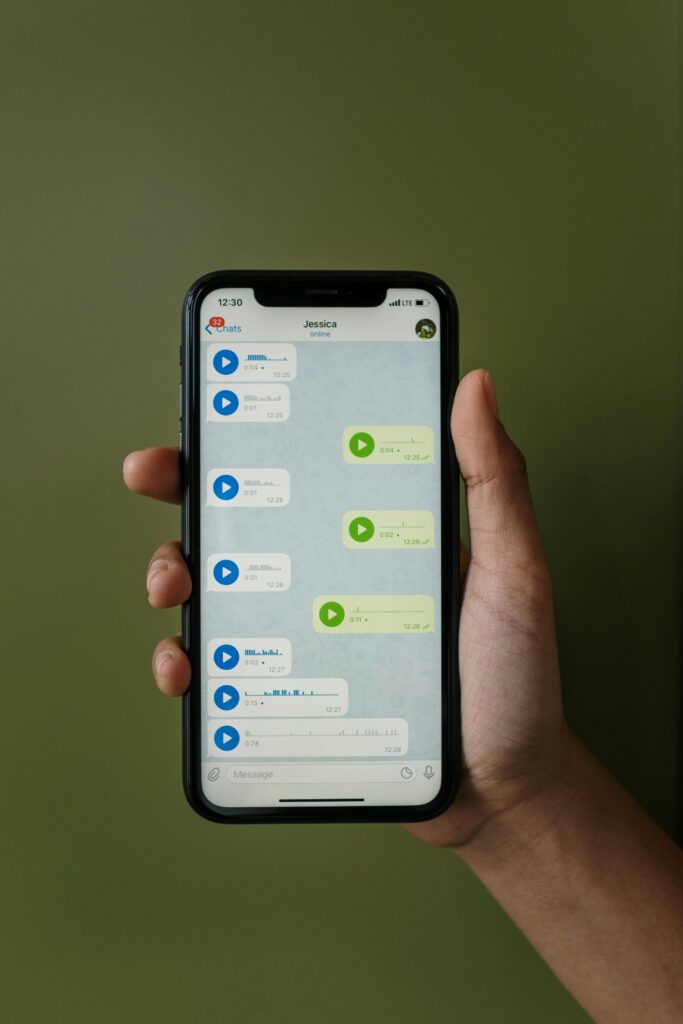
Below are sample messages your nonprofit can adapt.
Opt-In Message
“Hi, this is [Organization Name]. Thank you for your interest in our [Campaign Name]. Would you like to receive WhatsApp updates about the campaign and ways to support it?”
Welcome Message
“Thank you for joining. Over the next few days, we’ll share short updates on the need, the impact, and how you can help.”
Story Message
“Meet the need behind this campaign: many children in our program arrive at school without lunch. A simple meal helps them stay focused, healthy, and ready to learn.”
Proof Message
“This week, our team served meals to 120 children across three classrooms. We are raising funds to continue support through the next school term.”
Donation Ask Message
“Would you consider giving $15 today? That helps provide meals for one child for one week. You can donate here: [Donation Link].”
Reminder Message
“Just a quick reminder: our school meals campaign closes on Friday. We are close to the goal and every gift helps us serve more children.”
Thank-You Message
“Thank you for your gift. Your support helps keep children nourished and learning. We’ll send a short update after the next distribution.”
These messages are simple because WhatsApp should feel like a conversation, not a brochure.
Common Mistakes to Avoid

A WhatsApp fundraising funnel can fail when nonprofits treat it like a dumping ground for announcements.
Avoid these mistakes.
Sending Too Many Messages
More messages do not always mean more donations.
Too many messages can cause people to mute, ignore, or opt out.
Asking Before Building Trust
Do not ask for money before the person understands the cause.
Trust comes before transaction.
Using Group Chats for Sensitive Fundraising
Group chats can work for community updates, but they are often poor for donation asks. People may not want their giving decisions to be public.
Broadcasts, one-to-one chats, and segmented lists usually work better.
Making the Donation Process Hard
If the donor has to click five times, copy bank details manually, ask for confirmation, and wait for a reply, you will lose gifts.
Make the path easy.
Forgetting Receipts and Thank-Yous
A donor should never wonder whether the money arrived.
A fast thank-you builds confidence and increases the chance of future giving.
How to Measure a WhatsApp Fundraising Funnel
A WhatsApp fundraising funnel should be measured like any serious fundraising channel.
Track:
Opt-In Rate
How many people agreed to receive WhatsApp updates?
Reply Rate
How many people responded to the first message?
Click Rate
How many clicked the donation link?
Donation Conversion Rate
How many completed the gift?
Average Gift Size
How much did donors give on average?
Cost Per Donation
How much did it cost to generate one gift?
Opt-Out Rate
How many people asked to stop receiving messages?
Follow-Up Conversion
How many donors gave after a reminder?
These numbers show where the funnel is strong and where it is leaking.
For example, if many people reply but few donate, your ask may be unclear. If many click but few complete the gift, your donation page may be too difficult. If many opt out, you may be sending too often or to the wrong audience.
This is how nonprofits improve: not by guessing, but by testing.
How WhatsApp Fits Into a Bigger Fundraising Strategy
A WhatsApp fundraising funnel should not stand alone.
It works best when connected to other channels.
Use WhatsApp with:
- Email campaigns
- Donation pages
- Peer-to-peer fundraising
- Community events
- Facebook and Instagram posts
- Direct mail
- Donor calls
- Monthly giving programs
- Volunteer campaigns
For example, an email can tell the full campaign story. A social post can create awareness. A landing page can explain the project. WhatsApp can answer questions, send reminders, and move warm supporters to donation.
This is how you build a fundraising system instead of depending on one-off appeals.
For deeper fundraising strategy, nonprofits can also explore practical fundraising resources that support stronger donor communication and campaign planning.
A Simple 7-Day WhatsApp Fundraising Funnel Plan
Here is a practical version your nonprofit can use.
Day 1: Invitation
Ask people to opt in.
“Would you like to receive short WhatsApp updates about our clean water campaign?”
Day 2: Problem
Explain the need in simple language.
“Families in [community] walk long distances to collect water. This campaign helps fund a safer water access point.”
Day 3: Story
Share one human story or field update.
“Yesterday, our team met parents who said children often miss school because of water collection. This project helps change that.”
Day 4: Proof
Show progress.
“We have already raised 40% of the project cost through local supporters.”
Day 5: Ask
Make the donation request.
“Would you consider giving $25 today? It helps move the project closer to construction.”
Day 6: Reminder
Follow up gently.
“We are now 65% toward the goal. Thank you to everyone who has supported so far.”
Day 7: Final Push and Thanks
Close the loop.
“Today is the final day of this campaign push. Gifts of any size help. Thank you for standing with this community.”
This short WhatsApp fundraising funnel works because it has a beginning, middle, and end.
It does not randomly ask for money. It builds a case.
📲 Build a WhatsApp Fundraising Funnel That Leads from First Message to Donation
A successful WhatsApp fundraising funnel does not begin with a donation ask. It begins with a message that starts a relationship, builds trust, and guides the supporter step by step toward action.
Many churches and nonprofits struggle because:
- They ask too early
- Their messages feel disconnected from each other
- They do not know what to send after the first message
- Supporters lose interest before they ever reach the donation stage
If you want WhatsApp to bring real fundraising results, you need more than one message — you need a sequence that moves people from connection to contribution.
✅ Get Free WhatsApp Outreach Scripts for Every Stage of the Funnel
To help you build that journey, we’ve created 15 ready-to-use WhatsApp outreach scripts for churches and nonprofits.
These scripts help you:
- Start conversations naturally
- Introduce your mission clearly
- Share impact stories that build trust
- Invite support without sounding pushy
- Follow up thoughtfully
- Thank donors and encourage ongoing partnership
👉 Download the free WhatsApp outreach scripts here
💡 What’s Included
Inside, you’ll get scripts such as:
- First contact introduction
- Soft partnership outreach
- Donor introduction message
- Church outreach message
- Volunteer invitation
- Impact story message
- Donation request message
- Event invitation
- Grant funder introduction
- Follow-up message
- Major donor conversation starter
- CSR partnership outreach
- Community leader outreach
- Monthly partner invitation
- Thank you message
💡 Why This Works
A WhatsApp fundraising funnel works when your messages:
- Start with relationship, not pressure
- Build trust before the ask
- Make each next step feel natural
- Continue the connection even after the donation
With the right scripts, you can stop guessing what to send next and start building a WhatsApp journey that leads people from first contact to real support.
Wrap Up: Build Conversations Before You Ask for Donations
A WhatsApp fundraising funnel is powerful because it turns fundraising into a guided conversation.
The first message should create permission.
The next messages should build trust.
The ask should be specific.
The donation process should be simple.
The follow-up should make donors feel valued.
Nonprofits do not need to be aggressive to raise more money. They need better systems. When your team has a clear WhatsApp fundraising funnel, staff, volunteers, and community champions can all help move supporters from interest to action.
Start small.
Choose one campaign. Write seven messages. Build one opt-in path. Track the results. Improve the next version.
That is how a WhatsApp fundraising funnel becomes a repeatable fundraising asset, not just another messaging experiment.
FAQs About WhatsApp Fundraising Funnel
1. What is a WhatsApp fundraising funnel?
A WhatsApp fundraising funnel is a planned sequence of WhatsApp messages that moves a supporter from first contact to donation. It usually includes opt-in, storytelling, proof, a donation ask, reminders, and thank-you messages.
2. Can nonprofits use WhatsApp for fundraising?
Yes, nonprofits can use WhatsApp for fundraising when they follow consent, privacy, and messaging rules. The safest approach is to get clear opt-in before sending campaign updates or donation appeals.
3. How many messages should be in a WhatsApp fundraising funnel?
A simple WhatsApp fundraising funnel can have five to seven messages. These may include a welcome message, story, proof, donation ask, reminder, final update, and thank-you.
4. Should we use WhatsApp groups or broadcasts for fundraising?
Broadcasts and one-to-one chats are usually better for fundraising because they protect privacy. Groups can work for community updates, but donation decisions are often personal.
5. What should the first WhatsApp fundraising message say?
The first message should confirm who you are, why you are messaging, and ask for permission. Keep it short and clear.
6. How do we ask for donations on WhatsApp without sounding pushy?
Build trust first. Share the need, show proof, then make a specific ask. A clear donation amount tied to a clear outcome feels helpful, not pushy.
7. What donation links work best in a WhatsApp fundraising funnel?
Use mobile-friendly donation links, mobile money options, card payment pages, or local payment methods your donors already trust. The fewer steps, the better.
8. How often should nonprofits send WhatsApp fundraising messages?
For a campaign, sending every one to two days can work if the person opted in and the messages are useful. For general updates, send less often. Watch your opt-out rate.
9. What metrics should we track?
Track opt-ins, replies, clicks, donations, average gift size, opt-outs, and follow-up conversions. These numbers show where your WhatsApp fundraising funnel needs improvement.
10. Can a WhatsApp fundraising funnel help with monthly giving?
Yes. After someone gives once, you can follow up with impact updates and invite them to become a monthly donor. Monthly giving should be framed as a simple way to sustain the work over time.