Nonprofits everywhere are trying to reach supporters where they already spend time. That is why WhatsApp fundraising has become one of the fastest-growing communication strategies for charities, churches, community organizations, and grassroots movements.
But there is a problem.
Most nonprofits fail at WhatsApp fundraising.
Not because WhatsApp does not work.
Not because donors are unwilling to give.
And not because people dislike fundraising messages.
They fail because they use the wrong strategy.
Instead of building relationships, many organizations treat WhatsApp like a billboard. They send random donation requests, generic messages, or copy-paste appeals with no structure, timing, or emotional connection.
The result?
- Low donor response
- Message fatigue
- Poor engagement
- Tiny fundraising returns
- Volunteers burning out
The good news is this:
WhatsApp fundraising can become one of the most effective donor communication systems your nonprofit has ever used — if you approach it correctly.
In this guide, you will learn:
- Why most nonprofits fail at WhatsApp fundraising
- The biggest mistakes organizations make
- How successful nonprofits use WhatsApp differently
- Practical strategies to increase donor response
- How to build long-term donor trust
Why WhatsApp Fundraising Matters
Today, billions of people use WhatsApp daily. According to Meta, WhatsApp has over 2 billion active users globally.
For nonprofits, this creates a huge opportunity.
Unlike email, WhatsApp messages are usually opened quickly. People naturally check messages from friends, family, colleagues, and community groups throughout the day.
That makes WhatsApp fundraising incredibly powerful when used strategically.
Successful organizations use WhatsApp fundraising to:
- Share impact stories
- Mobilize supporters quickly
- Build donor relationships
- Coordinate campaigns
- Collect small recurring donations
- Engage volunteers
- Reach younger audiences
But simply sending donation requests is not enough.
Also Read: How Small NGOs Can Raise Funds Faster Using WhatsApp Without Sounding Desperate
Mistake #1: Treating WhatsApp Like Email
One of the biggest reasons nonprofits fail at WhatsApp fundraising is because they use it the same way they use email.
Long messages.
Formal language.
Large blocks of text.
Cold donation requests.
This rarely works.
WhatsApp is personal.
People expect natural conversations, not corporate announcements.
What Successful Nonprofits Do Instead
High-performing organizations use:
- Short messages
- Conversational language
- Personal storytelling
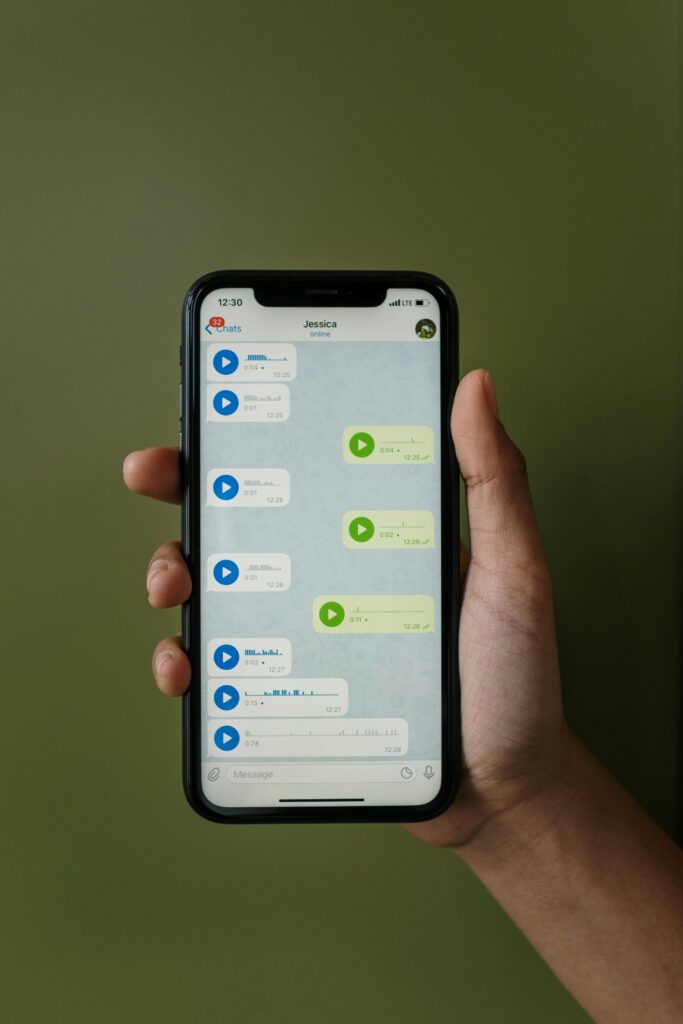
- Voice notes
- Photos from the field
- Quick updates
- Interactive communication
For example:
❌ Bad message:
Dear donor, we kindly request your contribution toward our ongoing community development initiative…
✅ Better message:
Hi Sarah — today 14 girls received school supplies because supporters like you stepped in. We still need help reaching 30 more students before Friday ❤️
See the difference?
One sounds robotic.
The other feels human.
Mistake #2: Asking for Money Too Quickly
Another major reason is poor donor timing.
Many organizations ask for donations immediately after someone joins a group or list.
That destroys trust.
People support causes when they feel emotionally connected.
Build Before You Ask
Strong WhatsApp fundraising follows a simple relationship cycle:
- Connect
- Share value
- Build trust
- Show impact
- Invite support
This approach increases donor confidence because supporters understand:
- Who you help
- Why the work matters
- Where money goes
- What results are happening
When people trust your mission, fundraising becomes easier.
Mistake #3: Sending Generic Messages
Generic fundraising messages usually fail because they lack emotional relevance.
Supporters want to feel involved.
If every message sounds mass-produced, engagement drops quickly.
Personalization Changes Everything
Effective WhatsApp fundraising includes:
- First names
- Local stories
- Real impact updates
- Specific outcomes
- Human-centered language
Instead of saying:
Please donate to support our program.
Say:
Last week, your support helped Maria return to school after missing 8 months of classes.
Specific stories create emotional connection.
And emotional connection drives donations.
Mistake #4: No Clear Fundraising System
Many nonprofits approach WhatsApp fundraising randomly.
One week they post updates.
The next week they disappear.
Then suddenly they ask for donations again.
This inconsistency hurts donor confidence.
Build a Repeatable WhatsApp Fundraising System
The most successful nonprofits create communication rhythms.
For example:
| Day | Message Type |
| Monday | Impact story |
| Wednesday | Volunteer update |
| Friday | Donation invitation |
| Sunday | Gratitude message |
This creates consistency without overwhelming supporters.
Over time, donors begin expecting and engaging with your updates.
Mistake #5: Focusing Only on Large Donations
Some nonprofits think WhatsApp fundraising only works for big donors.
That is false.
In reality, it works extremely well for:
- Small recurring donations
- Community giving
- Peer-to-peer fundraising
- Emergency campaigns
- Grassroots support
Small donations compound over time.
A nonprofit with 500 supporters giving $5 monthly creates sustainable recurring income.
That is often more reliable than chasing one large donor.
Mistake #6: Ignoring Storytelling
Storytelling is the engine behind successful WhatsApp fundraising.
Facts alone rarely inspire giving.
Stories do.
People remember people.
Great Nonprofit Stories Include:
- A real person
- A real struggle
- A meaningful outcome
- A simple emotional connection
Example:
Two months ago, James slept outside every night. Today, he has a safe shelter and has returned to school because supporters stepped in.
Short. Emotional. Human.
That is what effective WhatsApp fundraising looks like.
Mistake #7: Overloading Supporters With Messages
Too many fundraising messages create donor fatigue.
Some nonprofits send:
- Daily donation requests
- Endless forwards
- Irrelevant updates
- Repetitive appeals
Eventually, supporters mute the group or leave completely.
Balance Matters
Strong WhatsApp fundraising balances:
- Inspiration
- Education
- Gratitude
- Community updates
- Donation requests
A good rule:
Only a portion of your messages should directly ask for money.
The rest should strengthen donor trust.
How Successful Nonprofits Win at WhatsApp Fundraising
Organizations succeeding with WhatsApp fundraising focus on relationships first.
They understand:
- Donors want connection
- Stories matter
- Consistency matters
- Simplicity matters
- Trust matters
Most importantly, they build systems that volunteers and staff can actually maintain.
That prevents burnout.
It also creates sustainable growth.
Practical WhatsApp Fundraising Tips
Here are simple ways to improve your WhatsApp fundraising immediately:
1. Keep Messages Short
People scan quickly on mobile devices.
Use:
- Short sentences
- Line breaks
- Clear calls to action
2. Use Real Images
Photos from your actual programs build trust faster than stock images.
Authenticity matters.
3. Include One Clear Action
Do not confuse supporters with multiple requests.
Each message should have one focus:
- Donate
- Share
- Volunteer
- Attend
- Reply
4. Use Emotional Headlines
Example:
- “Tonight 40 families still need food support”
- “You helped rebuild hope for this student”
- “A small donation changed her future”
5. Thank Donors Publicly
Gratitude strengthens donor retention.
People support organizations that appreciate them.
The Future of WhatsApp Fundraising
The nonprofits that grow over the next decade will not necessarily be the largest.
They will be the organizations that communicate best.
WhatsApp fundraising allows even small grassroots nonprofits to:
- Build donor communities
- Reach supporters instantly
- Share authentic impact
- Raise recurring donations
- Mobilize action quickly
Organizations that master relationship-driven communication will outperform those relying only on traditional fundraising methods.
Most nonprofits fail at WhatsApp fundraising because they focus too much on asking and not enough on connecting.
Successful organizations do the opposite.
They:
- Build trust first
- Tell meaningful stories
- Communicate consistently
- Keep messages human
- Focus on relationships over transactions
The result is stronger donor loyalty, higher engagement, and more sustainable fundraising growth.
If your nonprofit wants better fundraising results, start by improving the way you communicate — not just the way you ask.
👉 Download the free WhatsApp outreach scripts here.
Why You Should Download the Free WhatsApp Outreach Scripts
Most nonprofits struggle with WhatsApp fundraising because they do not know what to say, when to say it, or how to ask without sounding pushy.
These free WhatsApp outreach scripts help remove that guesswork.
Inside, you will get ready-to-use messages designed to help your nonprofit:
- Increase donor responses
- Start better supporter conversations
- Build trust without sounding salesy
- Save time for staff and volunteers
- Improve fundraising consistency
- Follow up with donors more confidently
- Turn one-time supporters into long-term advocates
Instead of spending hours writing messages from scratch, your team can use proven outreach templates that make communication simpler, faster, and more effective.
👉 Download the free WhatsApp outreach scripts here.
FAQs About WhatsApp Fundraising
1. What is WhatsApp fundraising?
WhatsApp fundraising is the use of WhatsApp messaging to engage supporters, share impact stories, and encourage donations for nonprofit causes.
2. Why do many nonprofits fail at WhatsApp fundraising?
Most nonprofits fail at WhatsApp fundraising because they send overly promotional messages, lack consistency, and fail to build donor relationships.
3. Is WhatsApp fundraising effective for small nonprofits?
Yes. WhatsApp fundraising is highly effective for grassroots organizations because it is low-cost, personal, and easy to manage.
4. How often should nonprofits send fundraising messages on WhatsApp?
Most nonprofits should avoid daily donation requests. A balanced communication schedule works better for long-term engagement.
5. What type of content performs best in WhatsApp fundraising?
Short stories, impact updates, voice notes, photos, and emotional human-centered messages perform best.
6. Can WhatsApp fundraising help with recurring donations?
Yes. Many nonprofits successfully use WhatsApp fundraising to encourage small recurring monthly donations.
7. Should nonprofits use WhatsApp groups or broadcast lists?
Both can work. Broadcast lists are better for privacy, while groups work well for active community engagement.
8. What are the biggest WhatsApp fundraising mistakes?
Major mistakes include spammy messaging, poor storytelling, inconsistent communication, and asking for money too quickly.
9. How can nonprofits increase donor response on WhatsApp?
Nonprofits improve donor response by using personal stories, emotional connection, consistent updates, and clear calls to action.
10. Is WhatsApp fundraising better than email fundraising?
WhatsApp fundraising often has higher message open rates and faster engagement, but the best strategy combines multiple communication channels.