
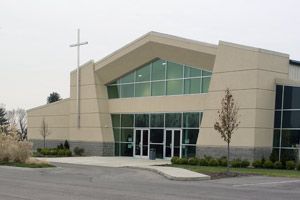
Understanding the Foundation of a Church Building Campaign
A church building project is more than construction—it’s a vision brought to life through collective generosity. Most churches fund these projects through structured, time-bound efforts known as capital campaigns, designed to raise significant funds beyond regular giving.
If you want to learn how to raise money for a church building project step-by-step, the key is not random fundraising—it’s a coordinated system that blends vision, community, and strategy.
A successful campaign aligns three things:
- A clear purpose
- A committed community
- A repeatable fundraising system
When these work together, giving becomes natural—not forced.
Step 1: Define a Clear and Compelling Vision
Why Vision Drives Donations
People don’t give to buildings—they give to impact.
Before asking for money, clearly define:
- Why the building is needed
- Who it will serve
- What changes it will create
Churches that articulate a strong mission consistently raise more because donors can emotionally connect to the outcome.

Practical Actions
- Create a one-page vision document
- Use real-life stories (families, youth, community impact)
- Translate construction into human outcomes
Step 2: Set a Realistic Fundraising Goal
Avoid Guesswork—Use Structured Targets
Every effective guide on how to raise money for a church building project step-by-step emphasizes goal clarity.
Break your total goal into:
- Major gifts (top donors)
- Mid-level contributions
- Small recurring donations
This layered approach ensures you’re not relying on one source.
Example Breakdown
- 20% from key donors
- 50% from congregation pledges
- 30% from events and external sources
This structure reflects how most successful campaigns operate.
Step 3: Build a Dedicated Campaign Team
Why You Can’t Do This Alone
A church campaign is too complex for one leader. It requires coordination across communication, finance, and outreach.
Strong campaigns assign roles clearly:
- Campaign leader
- Donor engagement coordinator
- Communications lead
- Events manager
A well-structured team increases accountability and momentum.

What to Look for in Team Members
- Passion for the church mission
- Influence within the community
- Reliability and consistency
Step 4: Conduct a Feasibility Study
Test Before You Launch
Before going public, assess whether your church can realistically reach its goal.
This step is often overlooked—but critical.
Ask:
- How much are members willing to give?
- Who are your top potential donors?
- What concerns exist?
Campaigns that prepare in advance avoid costly mistakes later.
Step 5: Create a High-Conversion Fundraising Strategy
Combine Multiple Revenue Streams
If you’re serious about mastering how to raise money for a church building project step-by-step, avoid relying on one method.
Use a mix of:
- Online giving
- Recurring donations
- Events
- Peer-to-peer fundraising
- Sponsorships
- Grants
Multiple channels increase your chances of success significantly.
Why This Works
Different people give in different ways:
- Some prefer one-time gifts
- Others commit monthly
- Some engage through events
More options = more participation.
Step 6: Launch a Pledge Campaign
Turn Intent into Commitment
A pledge system allows donors to commit over time instead of giving once.
This reduces financial pressure and increases total contributions.
Best Practices
- Offer flexible giving options
- Use visual progress trackers
- Show exactly what each pledge supports
Small commitments over time often outperform large one-time donations.
Step 7: Use Storytelling to Inspire Giving
Make Donors the Hero
The most powerful campaigns position the donor as part of the solution.
Instead of saying:
“We need money to build.”
Say:
“You can help create a space where lives are transformed.”

Storytelling Elements
- Before (problem)
- After (transformation)
- Role of the donor (bridge)
This approach increases emotional connection and conversion.
Step 8: Leverage Social Proof and Community Momentum
Why People Give When Others Give
When people see others contributing, they are more likely to participate.
This is why:
- Donor walls
- Progress bars
- Public acknowledgments
…are so effective.
Crowdfunding and peer-to-peer fundraising amplify this effect by making giving visible.
Also read:Church Funding Secrets: How to Raise Money Without Asking for Donations Directly
Step 9: Host Strategic Fundraising Events
Turn Engagement into Funding
Events are not just about raising money—they build connection.
Popular church fundraising events include:
- Charity dinners
- Concerts or worship nights
- Auctions and raffles
- Community fairs
Events create shared experiences, which deepen commitment.
Step 10: Engage Major Donors First
Focus on High-Impact Contributors
Not all donors contribute equally.
Identify and approach:
- Long-time members
- Business owners
- Community leaders
Start with them before launching publicly.
Why?
Early large contributions create momentum and credibility.
Step 11: Maintain Consistent Communication
Keep the Vision Alive
Silence kills campaigns.
Regular updates:
- Build trust
- Reinforce urgency
- Encourage continued giving

Share:
- Progress milestones
- Testimonials
- Construction updates
Consistency keeps donors emotionally invested.
Step 12: Encourage Recurring Giving
Stability Over Time
Recurring donations provide predictable income.
Benefits:
- Easier for donors
- Sustainable for the church
- Reduces fundraising pressure
Even small monthly contributions compound into significant totals over time.
Step 13: Apply for Grants (When Relevant)
Unlock Additional Funding Sources
Grants can supplement your campaign—especially for community-focused projects.
They work best when:
- Your project serves a broader community
- You align with donor priorities
- You submit strong proposals
If you’re preparing proposals and want to streamline the process, you can explore tools designed specifically for this purpose:
https://grassrootsdigital.org/grantwriterai/
Step 14: Track, Measure, and Adjust
What Gets Measured Improves

Monitor key metrics:
- Total funds raised
- Number of donors
- Average gift size
- Conversion rates
If something isn’t working, adjust quickly.
Successful campaigns evolve—they don’t stay static.
Step 15: Celebrate Milestones and Build Long-Term Relationships
Fundraising Doesn’t End at the Goal
Celebrate:
- 25%, 50%, 75%, 100% milestones
- Major contributions
- Volunteer efforts
After the campaign:
- Thank donors personally
- Share final results
- Continue engagement
This builds a foundation for future campaigns.
🏗️ Turn Your Church Building Vision into Funded Reality
Planning a church building project is a big step — but raising the funds is where many churches get stuck.
Even with a strong vision, challenges like these can slow you down:
- Not knowing how to structure your fundraising proposal
- Struggling to communicate your vision clearly to donors
- Lack of a step-by-step fundraising plan
- Inconsistent follow-ups with supporters
To succeed, you need both a clear proposal and a proven fundraising system.
✅ Start with a Free Church Fundraising Proposal Template
Get a ready-to-use proposal template designed to help you present your building project professionally and inspire support.
This template will help you:
- Clearly communicate your building vision
- Structure your fundraising message effectively
- Build trust with donors and partners
- Increase your chances of receiving contributions
👉 Download the free proposal template here
🚀 Upgrade: Complete 12-Week Church Building Fundraising Framework
If you want to go beyond just a proposal and actually raise the funds successfully, you need a structured campaign.
Get the Complete 12-Week Church Building Fundraising Campaign Framework — a step-by-step system to guide your fundraising from start to finish.
💡 What’s included:
- A full 12-week fundraising roadmap
- Campaign messaging and communication templates
- Donor outreach and follow-up strategies
- Milestones and progress tracking system
- Event and giving campaign structure
- Proven approach for tithes, offerings, and building funds
💰 Limited Offer: $5.99 (Save 80%)
👉 Get the full fundraising framework here
💡 Why This Matters
Raising money for a church building isn’t just about asking — it’s about planning, communicating, and following a clear strategy.
With the right tools, you can:
- Build momentum around your project
- Engage your congregation and supporters
- Raise funds consistently over time
- Turn your vision into a completed building
Start with the free template — and upgrade when you’re ready to fully execute your fundraising campaign.
Wrap-Up: Turning Vision into Reality
Learning how to raise money for a church building project step-by-step is ultimately about building systems—not just raising funds.
The most successful churches:
- Plan strategically
- Engage consistently
- Diversify fundraising methods
- Focus on relationships, not transactions
When you combine clarity, structure, and community, fundraising becomes a natural extension of your mission—not a burden.
Frequently Asked Questions
1. How long does a church building fundraising campaign take?
Most campaigns run between 1 to 3 years depending on the size and goal.
2. What is the best way to start a church building fund?
Start with a clear vision, set a goal, and build a leadership team.
3. How do small churches raise building funds?
By using pledges, community events, and consistent communication.
4. Can online fundraising work for churches?
Yes, online giving is now a major source of donations for many churches.
5. What is a capital campaign in a church?
It’s a structured fundraising effort for major projects like building or renovations.
6. How do you attract major donors?
Build relationships, communicate impact clearly, and involve them early.
7. Should churches use fundraising events?
Yes, events increase engagement and bring in additional revenue.
8. What role does storytelling play in fundraising?
It helps donors emotionally connect and see their impact.
9. Are recurring donations important?
Yes, they provide stable, long-term funding.
10. What is the biggest mistake in church fundraising?
Lack of planning and unclear vision—both reduce donor confidence.