
Why Fundraising Before Nonprofit Registration Can Be the Smartest Move You Make
Many nonprofit founders believe they must wait until every registration document is approved before they can begin fundraising.
Unfortunately, this belief often causes organizations to lose valuable momentum.
While registration applications move through government systems, communities continue facing urgent challenges. Children still need educational support. Families still need food assistance. Communities still need healthcare, environmental protection, and social services.
The reality is that fundraising before nonprofit registration is often possible when done correctly and in compliance with applicable laws. Many organizations begin building donor relationships, generating support, and even receiving funding while waiting for formal approvals. Fiscal sponsorship is one commonly used approach that allows charitable projects to raise funds through an established nonprofit organization.
Organizations that understand how to approach fundraising before nonprofit registration strategically are often better positioned for long-term growth because they build community trust, donor confidence, and operational momentum early.
Understanding the Truth About Fundraising Before Nonprofit Registration

One of the biggest misconceptions in the nonprofit sector is that fundraising must stop until registration is complete.
In many situations, this is not true.
Organizations may be able to begin certain fundraising activities while applications are pending, provided they follow local regulations and communicate transparently with supporters. Several nonprofit legal and compliance experts note that organizations can often begin fundraising while awaiting tax-exempt approval, though donor communications must accurately reflect the organization’s status.
This means fundraising before nonprofit registration is less about finding loopholes and more about understanding the legal pathways available.
Why Waiting Can Cost More Than You Think
Many founders focus entirely on paperwork and unintentionally neglect community engagement.
Every month spent waiting can result in:
- Lost donor opportunities
- Reduced volunteer enthusiasm
- Missed partnership opportunities
- Delayed program delivery
- Lower community visibility
- Reduced organizational momentum
The most successful nonprofits understand that relationship-building should begin immediately.
When registration finally arrives, they already have supporters, donors, volunteers, and community champions ready to help.
The Real Purpose of Early Fundraising
Many people assume fundraising is only about money.
In reality, fundraising serves several critical functions:
- Validates your mission
- Builds community trust
- Tests donor interest
- Creates awareness
- Attracts partners
- Demonstrates credibility
- Generates proof of concept
When someone donates to your cause, they are communicating confidence in your mission.
That validation becomes incredibly valuable when pursuing larger funding opportunities later.
Fiscal Sponsorship: The Fastest Path to Early Fundraising
One of the most effective strategies for fundraising before nonprofit registration is fiscal sponsorship.
A fiscal sponsor is an established nonprofit organization that provides financial oversight, administrative support, and the ability to receive charitable contributions on behalf of a project.
Through fiscal sponsorship, organizations can often:
- Accept donations immediately
- Access grant opportunities
- Provide donor confidence
- Receive administrative support
- Launch programs faster
- Reduce startup complexity
Fiscal sponsorship has become one of the most widely used startup models for new charitable initiatives because it enables organizations to begin fundraising while registration processes continue.
How Fiscal Sponsorship Works
The concept is relatively simple.
Instead of operating independently immediately, your project operates under the umbrella of an existing nonprofit.
The sponsor typically:
- Receives donations
- Maintains financial oversight
- Provides compliance support
- Handles reporting requirements
- Distributes approved funds to your project
In exchange, sponsors generally charge an administrative fee. Fiscal sponsorship arrangements often involve fees ranging from a small percentage of funds raised, depending on services provided.
Why Donors Often Prefer Fiscal Sponsorship
Donors want confidence.
When contributors see an established nonprofit supporting a project, they often feel more comfortable making donations.
Fiscal sponsorship can provide:
- Financial accountability
- Administrative oversight
- Greater transparency
- Enhanced credibility
- Improved grant eligibility
This is one reason why fundraising before nonprofit registration through fiscal sponsorship has become increasingly popular among grassroots organizations.
Crowdfunding as an Early Fundraising Strategy
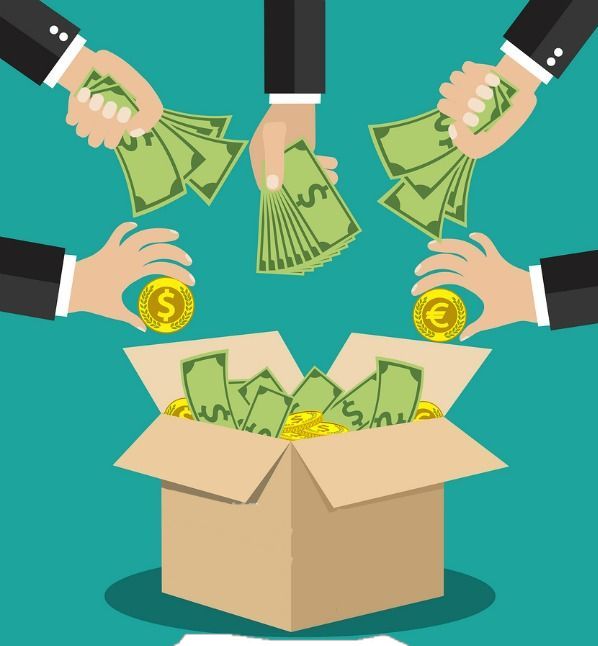
Another powerful approach to fundraising before nonprofit registration is crowdfunding.
Crowdfunding allows organizations to raise money directly from supporters through online campaigns.
Success often depends on:
- Strong storytelling
- Clear goals
- Specific outcomes
- Authentic communication
- Regular updates
Instead of asking supporters to fund a broad vision, successful campaigns focus on concrete outcomes.
Examples include:
- Providing school supplies to 500 students
- Funding a community garden
- Supporting a youth leadership workshop
- Purchasing medical equipment
Specificity helps donors understand the direct impact of their contributions.
Building Your First Circle of Supporters
Most organizations do not receive their first donations from strangers.
Early supporters often include:
- Friends
- Family members
- Colleagues
- Community leaders
- Volunteers
- Faith-based groups
- Local businesses
These individuals are not simply donating money.
They are investing in your vision.
When pursuing fundraising before nonprofit registration, your immediate network is often your greatest asset.
The Importance of Transparency

Transparency is essential.
If registration is pending, communicate that clearly.
Many organizations include language explaining that their nonprofit registration or tax-exempt application remains under review.
Experts consistently recommend honest communication regarding organizational status while fundraising during approval periods.
Transparency builds trust.
Trust drives donations.
Focus on Small Wins First
Many new organizations attempt to launch large fundraising campaigns immediately.
This approach can create unnecessary pressure.
Instead, focus on achievable goals.
Examples include:
- Raising $1,000 for a pilot program
- Recruiting 25 volunteers
- Hosting one community event
- Serving 100 beneficiaries
Small victories build credibility.
Credibility creates momentum.
Momentum attracts larger donors.
Why Proof of Concept Matters
Foundations and major donors often look for evidence that a project can deliver results.
They want to see:
- Community engagement
- Program participation
- Measurable outcomes
- Leadership capacity
- Financial responsibility
This is another reason fundraising before nonprofit registration can be so valuable.
Early fundraising allows organizations to demonstrate traction before pursuing larger opportunities.
Building Grant Readiness from Day One
While fundraising from individuals is important, preparing for grants should begin early.
Start collecting:
- Community needs assessments
- Impact stories
- Program budgets
- Testimonials
- Photographs
- Volunteer records
- Outcome measurements
Grantmakers want evidence.
Organizations that document their work consistently are often more competitive.
Many teams now use a grant writing assistant or grant proposal writing tool to organize information and streamline proposal development.
For organizations preparing future grant applications, platforms like GrantWriterAI can help simplify the grant writing process, generate proposal drafts, and improve consistency across funding submissions. Developed alongside Grassroots Digital Impact Africa (GDIA), Stanford-affiliated contributors, United Nations experts, and former OpenAI contributors, the platform is designed to help nonprofits reduce proposal bottlenecks and increase proposal production capacity.
Building Systems Instead of Chasing Donations
Strong nonprofits build systems.
Weak nonprofits chase money.
During the early stages, prioritize systems for:
- Donor management
- Volunteer coordination
- Financial tracking
- Program reporting
- Communication workflows
Organizations that establish these systems early often scale more effectively later.
Leveraging Social Media for Early Fundraising

Social media provides a powerful platform for fundraising before nonprofit registration.
Supporters want to see:
- Progress updates
- Volunteer activities
- Beneficiary stories
- Community engagement
- Program milestones
Consistency matters more than perfection.
Regular updates help donors feel connected to your mission.
Partnering With Other Organizations
Partnerships can dramatically accelerate growth.
Potential partners include:
- Schools
- Religious institutions
- Community organizations
- Local businesses
- Existing nonprofits
Strategic partnerships increase:
- Visibility
- Credibility
- Resource access
- Volunteer recruitment
- Fundraising opportunities
Many successful nonprofit initiatives began through collaboration rather than isolation.
Compliance Still Matters
Although fundraising before nonprofit registration is often possible, compliance remains critical.
Different countries, states, and jurisdictions have different rules regarding:
- Charitable solicitation
- Registration requirements
- Tax exemptions
- Donor disclosures
Organizations should consult qualified legal or nonprofit professionals to ensure compliance with applicable regulations.
Responsible fundraising combines action with accountability.
Creating a Culture of Action
Some founders spend years planning.
Others start serving.
The organizations that generate the greatest impact typically embrace action while continuously learning and improving.
They understand that:
- Progress beats perfection
- Momentum creates opportunities
- Community trust develops through action
- Impact attracts support
The goal is not reckless fundraising.
The goal is responsible movement.
Why Your Story Matters More Than Your Paperwork
Donors rarely support paperwork.
They support people.
They support causes.
They support stories.
Your story should clearly explain:
- The problem you are addressing
- Why it matters
- Who is affected
- What change is possible
- Why your organization is uniquely positioned to help
Compelling storytelling often drives stronger fundraising outcomes than technical organizational details.
The Long-Term Benefits of Starting Early

Organizations that embrace fundraising before nonprofit registration often gain several long-term advantages.
These include:
- Stronger donor relationships
- Better community visibility
- More volunteer engagement
- Greater organizational confidence
- Improved fundraising skills
- Enhanced grant readiness
Most importantly, they begin creating impact sooner.
Communities benefit when organizations focus on action rather than waiting indefinitely for administrative processes.
Also read:You Don’t Need an NGO to Start Fundraising: (Here’s Why)
🚀 Stop Waiting for Registration — Start Building a Stronger Funding Case Now
Waiting for registration can delay momentum, confidence, and valuable funding conversations.
But in many cases, what slows projects down even more is not the lack of registration — it is the lack of clear, professional documents that help donors understand the work and trust the vision.
If you want to start raising money now, you need to be able to clearly show:
- What your project is about
- Why it matters
- How support will be used
- What kind of impact you are working toward
When those things are clear, it becomes much easier to begin fundraising conversations even before formal registration is complete.
✅ Start with the Free Proposal Template
To help you move now instead of waiting, we’ve created a free proposal template you can use to present your project more clearly and professionally.
This free resource will help you:
- Organize your project idea in a stronger way
- Communicate your vision more clearly
- Build a more credible case for support
- Start donor and funding conversations with greater confidence
👉 Download the free proposal template here
🚀 Upgrade: Nonprofit Templates Bundle (37 Templates)
If you want a more complete system for fundraising, planning, proposals, reporting, and donor communication, get the Nonprofit Templates Bundle.
💡 What’s included:
- 5 concept note templates
- Full project proposal and grant report templates
- UN Logframe, Logical Framework Matrix, and Theory of Change templates
- USAID Monitoring & Evaluation Framework + M&E Plan
- Nonprofit budget, work plan, and project timeline templates
- Risk management, sustainability, and communication plan templates
- Stakeholder analysis, gender analysis, and environmental impact templates
- Executive summary and impact assessment templates
- Sponsorship proposal and event proposal templates
- Capacity building plan and partnership agreement templates
- 7 fiscally sponsored organization templates, including grant proposal, budget, agreement, narrative, financial reporting, donor letter, and progress report
👉 Get the full nonprofit templates bundle here
💡 Why This Matters
You do not have to wait for perfect structure before taking the next fundraising step.
With the right templates, you can:
- Start presenting your project more professionally now
- Build confidence in donor and partner conversations
- Improve your planning and funding readiness
- Create momentum while working toward formal registration later
Registration may come later — but clarity, credibility, and preparation can start today.
Wrap Up
Registration matters.
Compliance matters.
Legal structure matters.
But momentum matters too.
Many nonprofit founders mistakenly believe they must pause all fundraising efforts until registration is complete. In reality, fundraising before nonprofit registration can often be pursued through strategic, transparent, and compliant approaches such as fiscal sponsorship, crowdfunding, donor outreach, and community partnerships.
The organizations that grow sustainably are usually the ones that begin building relationships, documenting impact, and serving communities as early as possible.
Start small.
Stay compliant.
Be transparent.
Build trust.
Take action.
Because the people you serve should not have to wait for paperwork before hope begins.
Frequently Asked Questions
1. Can I legally raise money before nonprofit registration is approved?
Yes. In many jurisdictions, organizations can begin fundraising while waiting for formal approval if they comply with local laws and remain transparent about their status.
2. What is fiscal sponsorship?
Fiscal sponsorship allows a registered nonprofit to provide legal and administrative support for a project or emerging organization.
3. Can donors receive tax deductions before my nonprofit is approved?
Usually not unless you operate under a fiscal sponsor with tax-exempt status.
4. Is crowdfunding allowed before nonprofit registration?
Yes. Many crowdfunding platforms allow organizations and individuals to raise funds without nonprofit status.
5. What should I tell donors if my registration is pending?
Be honest and transparent about your registration stage, funding goals, and how donations will be used.
6. Can I apply for grants before nonprofit approval?
Some grants require official nonprofit status, but fiscal sponsorship may allow you to apply earlier.
7. How do I build donor trust early?
Show transparency, communicate consistently, document impact, and maintain clear financial records.
8. Should I wait until my website is perfect before fundraising?
No. A clear mission and strong storytelling matter more than perfect branding.
9. What are the best early fundraising methods?
Crowdfunding, peer-to-peer campaigns, local partnerships, community events, and grassroots donor outreach are all effective.
10. How can proposal writing tools help new nonprofits?
Proposal tools and grant writing assistants can help nonprofits organize funding strategies, improve proposal quality, and scale fundraising operations efficiently.