

A Practical Guide to Building a Healthy, Joyful Culture of Generosity in Your Church
Church leaders often ask the wrong question about giving. They ask, “How do we get people to give more?” A better question is, “How do we help people grow into faithful, joyful, consistent givers?”
That shift changes everything.
Consistent giving is rarely built through pressure, shame, or last-minute budget appeals. It grows when people trust leadership, understand the mission, see the impact of their generosity, and are given simple ways to participate regularly. Research and church stewardship experts repeatedly point to the same themes: generosity grows where vision is clear, gratitude is nurtured, giving is easy, and stewardship is treated as part of discipleship rather than a fundraising emergency.
If your goal is to turn church members into consistent givers, the answer is not manipulation. The answer is culture, clarity, trust, and systems.
In this guide, you will learn how to help church members become consistent givers in a way that honors both spiritual formation and practical ministry needs.
Why Becoming Consistent Givers Matters for the Local Church

When church members become consistent givers, the church gains more than financial predictability. It gains stability for ministry planning, stronger support for outreach, and a healthier discipleship culture. Recurring and disciplined giving also helps churches navigate seasonal fluctuations and support ministry throughout the year instead of only during emotional giving moments.
From a pastoral perspective, generosity is also connected to spiritual maturity. Lifeway Research notes that generosity tends to follow discipleship, and church leaders often view giving as a reflection of deeper formation rather than a standalone financial behavior.
That is why the goal is not simply to collect offerings. The goal is to disciple people into becoming consistent givers who understand that generosity is part of Christian obedience, gratitude, and participation in God’s work.
Start With Vision, Not Need
One of the fastest ways to lose people is to talk about money only when the church is behind on its budget.
People do not become consistent givers because a church sounds desperate. They become consistent givers when they see where the church is going and why it matters. Clear vision is one of the most repeated themes in church generosity guidance. When leaders connect giving to ministry outcomes, people are more likely to engage.
Instead of saying:
“We need more money this month.”
Say something like:
“Your giving helps us disciple children, support families in crisis, reach our neighborhood, train leaders, and sustain worship every week.”
That is not spin. That is clarity.
Vision answers the question every member is already asking: “What difference does my giving make?”
How to communicate vision clearly
Tie every giving message to ministry impact. Show what generosity accomplishes in real life. Explain how regular giving supports pastoral care, missions, youth ministry, outreach, facilities, and community service. Church budgeting itself can function as a discipleship tool when it visibly reflects the church’s values and priorities.
When people see mission, they are more likely to become consistent givers.
Teach Stewardship as Discipleship
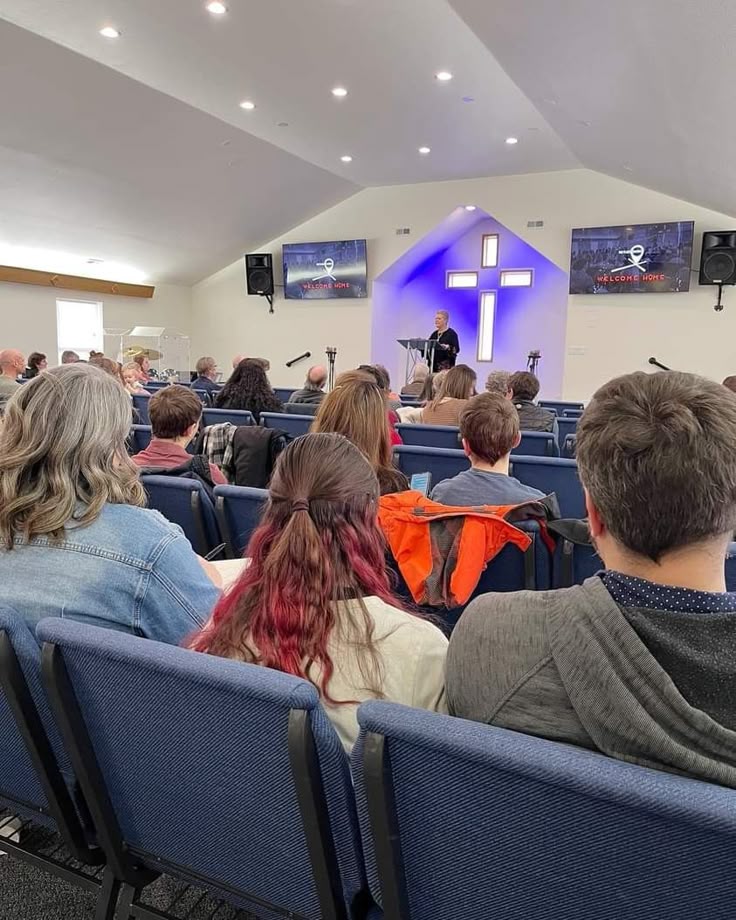
Many churches avoid teaching on money because they fear sounding self-serving. But silence does not create maturity.
Church members need biblical and practical teaching about stewardship. Resources on church generosity consistently frame stewardship as more than fundraising. It is about how believers manage time, talent, and treasure under God’s direction.
If you want members to become consistent givers, teach giving as:
- an act of worship
- a habit of trust
- a response to grace
- a way to participate in ministry
- a discipline that grows over time
This matters because many members are not resistant to generosity. They are simply under-taught, inconsistent, or unsure where to begin.
What healthy teaching looks like
Healthy stewardship teaching is regular, calm, biblical, and practical. It does not appear only during building campaigns or financial shortfalls. It appears in sermons, classes, membership pathways, small groups, testimonies, and leadership modeling.
A church culture of generosity is usually built gradually, not through a single strong appeal. Barna’s recent generosity research also emphasizes that churches have real opportunities to shape healthy giving cultures through intentional teaching and formation.
The churches that develop consistent givers usually normalize the conversation long before a financial need becomes urgent.
Make Giving Simple, Frictionless, and Repeatable
Sometimes the problem is not willingness. It is friction.
A member may fully support the church but forget to give, feel unsure how to give, or only give when cash happens to be available. That is why recurring giving matters so much. Church giving platforms and stewardship resources consistently point out that recurring donations improve stability and help donors support ministry more reliably over time.
If you want more consistent givers, remove barriers.
Simple ways to reduce friction
Offer multiple giving methods, including online, mobile, and recurring options. Explain them clearly from the stage, on your website, and in new member materials. Make the process easy enough that someone can act immediately.

Do not assume members automatically understand digital giving. Some need step-by-step guidance. Others need reassurance that recurring giving is secure, flexible, and easy to manage.
When recurring giving becomes normal, more members move from occasional generosity to consistent givers.
Build Trust Through Transparency
People give consistently when they trust the people leading the ministry.
Trust does not mean sharing every confidential detail. It means being honest, clear, and accountable. Members want to know that church finances are handled wisely, ethically, and missionally. They want confidence that their generosity is making a real difference.
This is where many churches quietly win or lose.
When leaders communicate openly about priorities, celebrate ministry outcomes, and show responsible stewardship, members feel safer becoming consistent givers. The Gospel Coalition’s argument that church budgets disciple members is relevant here too: what a church funds teaches people what it values.
What transparency can look like
Share periodic giving updates without panic. Provide simple annual reports. Explain how funds support ministry. Let members see stories behind the numbers. Highlight changed lives, outreach milestones, and practical ministry outcomes.
Transparency should create confidence, not pressure.
People rarely become consistent givers in environments where money feels mysterious.
Celebrate Impact, Not Amounts
Generosity grows when people see that giving matters.
That does not mean publicly ranking top donors or glorifying wealth. In fact, church generosity guidance warns against approaches that feel performative or divisive. What works better is celebrating mission impact, volunteer engagement, answered prayers, outreach success, and stories of transformation.
When members hear stories like:
- families were fed
- students were discipled
- missionaries were supported
- counseling was provided
- neighbors were reached
they begin to connect generosity with ministry fruit.
That connection helps form consistent givers, because people are more likely to repeat what feels meaningful.
Why stories matter
Numbers inform, but stories move hearts.
A church can say, “We raised funds for outreach.” That is fine. But it is far stronger to say, “Because of your generosity, 120 families received groceries and prayer this month.”
Specificity helps church members understand that giving is not disappearing into a system. It is fueling ministry.
Help New Members Build the Habit Early
Many churches wait too long to talk about stewardship with new members.
That creates a gap. People join the church, attend services, receive care, and serve occasionally, but no one explains how giving fits into belonging. Then later, leadership wonders why generosity feels shallow.
If you want more consistent givers, start earlier.
Introduce stewardship in membership classes, welcome materials, volunteer onboarding, and discipleship pathways. Explain that giving is part of participation, not a fee for attendance. Frame it as shared ownership of the mission.
A practical path for new givers
Invite people to start somewhere realistic. Not everyone begins at the same level. Some members may begin with a small weekly amount. Others may start monthly. The goal is not instant perfection. The goal is consistency.
Over time, small repeated acts often create stronger lifelong habits than occasional large emotional gifts. This same principle shows up in recurring giving guidance across church platforms and stewardship content.
That is how churches develop consistent givers over the long term.
Equip Families, Not Just Individuals
Generosity is often learned at home before it is expressed in church.
Lifeway highlights that generous habits in families can shape future generosity, including among children raised in homes where giving is practiced and discussed.
So do not limit stewardship formation to Sunday sermons for adults. Help parents talk about generosity with children. Give families simple tools for practicing gratitude and giving together. Encourage conversations about what it means to honor God with resources.
Ways to make generosity a family habit
Share family devotion prompts about stewardship. Encourage parents to let children participate in giving moments. Celebrate service and generosity as values, not just donation totals.
When generosity becomes part of family culture, churches are more likely to raise the next generation of consistent givers.
Model Generosity From the Leadership Level
Members notice whether leaders speak about generosity with conviction, awkwardness, or hypocrisy.
They also notice whether leaders seem sacrificial, grateful, and mission-focused. In church culture, example carries weight. Guidance on generosity repeatedly points out that culture is shaped by what leaders model, celebrate, and repeat.
This does not mean leaders should boast about their personal giving. It means they should embody open-handed faith, wise stewardship, and visible commitment to the mission of the church.
When leadership example matches leadership language, members are more willing to become consistent givers.
Avoid the Biggest Mistake: Only Talking About Money During Crisis

A church that mentions giving only in emergencies trains members to associate generosity with stress.
That is not a healthy culture.
The healthiest churches teach, celebrate, and normalize generosity all year long. They do not wait for year-end gaps, staff pressure, or building maintenance surprises. Even when year-end giving is important, strong churches ground those appeals in clear mission outcomes and ongoing donor habits rather than panic.
If your church wants more consistent givers, talk about generosity before the crisis, during the ordinary season, and after the milestone is reached.
Replace emergency appeals with a rhythm
Create an annual stewardship rhythm. Include teaching moments, testimonies, ministry updates, recurring giving reminders, gratitude campaigns, and transparent reports. Consistency in communication helps produce consistency in giving.
Use Gratitude as the Emotional Foundation
Recent Barna insights on cultivating a culture of giving emphasize the link between gratitude and generosity. Gratitude softens resistance, shifts perspective, and reminds members that giving is a response to grace, not merely an institutional request.
That matters because guilt may trigger a one-time response, but gratitude is more likely to form consistent givers.
A grateful church is often a generous church.
How to cultivate gratitude in your church
Thank people often. Thank them publicly and privately. Thank them for service, prayer, generosity, and faithfulness. Build services and communications that regularly point people back to God’s provision and the joy of participating in his work.
Gratitude changes the emotional atmosphere around giving.
Also read:Digital Fundraising & Online Giving Trends for 2026
💛 Turn Church Members Into Consistent Givers with the Right Message and System
Consistent giving doesn’t happen by accident. It grows when church members clearly understand the vision, trust the process, and stay engaged over time.
Many churches struggle because:
- The vision is not communicated clearly enough
- Giving conversations only happen occasionally
- There is no consistent plan for follow-up and engagement
When communication is unclear or inconsistent, giving often becomes occasional instead of ongoing.
✅ Start with a Free Church Fundraising Proposal Template
Before members can give consistently, they need to clearly understand what they are supporting and why it matters.
This ready-to-use proposal template will help you:
- Clearly communicate your church building vision
- Show how contributions will be used
- Build trust and transparency with your congregation
- Create a strong foundation for consistent giving
👉 Download the free proposal template here
🚀 Upgrade: Complete 12-Week Church Building Fundraising Campaign Framework
If you want to move from occasional giving to a culture of consistent generosity, you need more than one message — you need a clear step-by-step campaign system.
Get the Complete 12-Week Church Building Fundraising Campaign Framework to help you guide your church from vision to ongoing participation.
💡 What’s included:
- Week-by-week campaign action plan with specific goals and milestones
- Sermon outlines and talking points for each phase of the campaign
- Pledge forms and commitment cards
- Email and SMS sequences for donor engagement
- Milestone celebration templates and progress update scripts
- Campaign launch and closing event planning guides
💰 Limited Offer: $5.99 (Save 80%)
👉 Get the full 12-week fundraising framework here
💡 Why This Works
Church members become consistent givers when they:
- Understand the vision clearly
- Feel connected to the purpose
- Receive regular, meaningful communication
With the right tools, you can:
- Build trust through clarity
- Keep your members engaged week after week
- Create momentum that leads to long-term generosity
Don’t just ask once — build a system that helps people give consistently.
Wrap Up
Turning church members into consistent givers is not about becoming more persuasive with money. It is about becoming more intentional with discipleship, trust, clarity, and systems.
People become consistent givers when they understand the mission, see the impact, trust leadership, receive biblical teaching, and are given easy ways to participate regularly. They stay consistent when generosity is treated as a joyful habit rather than a pressure tactic.
Start with vision. Teach stewardship clearly. Make giving simple. Build trust through transparency. Celebrate impact. Form habits early. Equip families. Lead by example. Keep gratitude at the center.
That is how a church moves from occasional giving to a lasting culture of faithful generosity.
FAQs
1. What makes church members become consistent givers?
Church members usually become consistent givers when giving is connected to discipleship, mission, trust, and simple recurring habits rather than guilt or financial pressure.
2. Should pastors preach about money often?
Yes, but in a balanced way. Stewardship should be taught regularly as part of biblical discipleship, not only during budget shortfalls or campaigns.
3. Is recurring giving important for churches?
Yes. Recurring giving helps members give more reliably and helps churches manage ministry with greater stability throughout the year.
4. How can a church ask for money without sounding pushy?
Talk about mission, impact, gratitude, and participation. Show what giving accomplishes instead of simply announcing financial need.
5. Do younger church members respond better to digital giving options?
In many churches, modern giving options remove friction and make it easier for members to give consistently, especially when mobile and online tools are clear and accessible.
6. Should churches tell members exactly where money goes?
They should be transparent enough to build trust. Clear reports, ministry updates, and impact stories help members feel confident in their giving.
7. Can small gifts really make a difference?
Yes. Small, repeated gifts often build stronger long-term support than occasional emotional donations because they create a dependable habit of generosity.
8. How do you teach giving to new members?
Introduce stewardship during onboarding, membership classes, and discipleship pathways. Help people start with a realistic habit and grow over time.
9. Is generosity more about spirituality or strategy?
It is both. Spiritual formation shapes the heart, and practical systems make it easier for that heart response to become consistent behavior.
10. What is the biggest mistake churches make with giving?
One of the biggest mistakes is only talking about giving when there is a crisis. That trains members to connect money with panic instead of joyful participation.