If your nonprofit is still relying on a single communication channel, you’re leaving donations—and relationships—on the table.
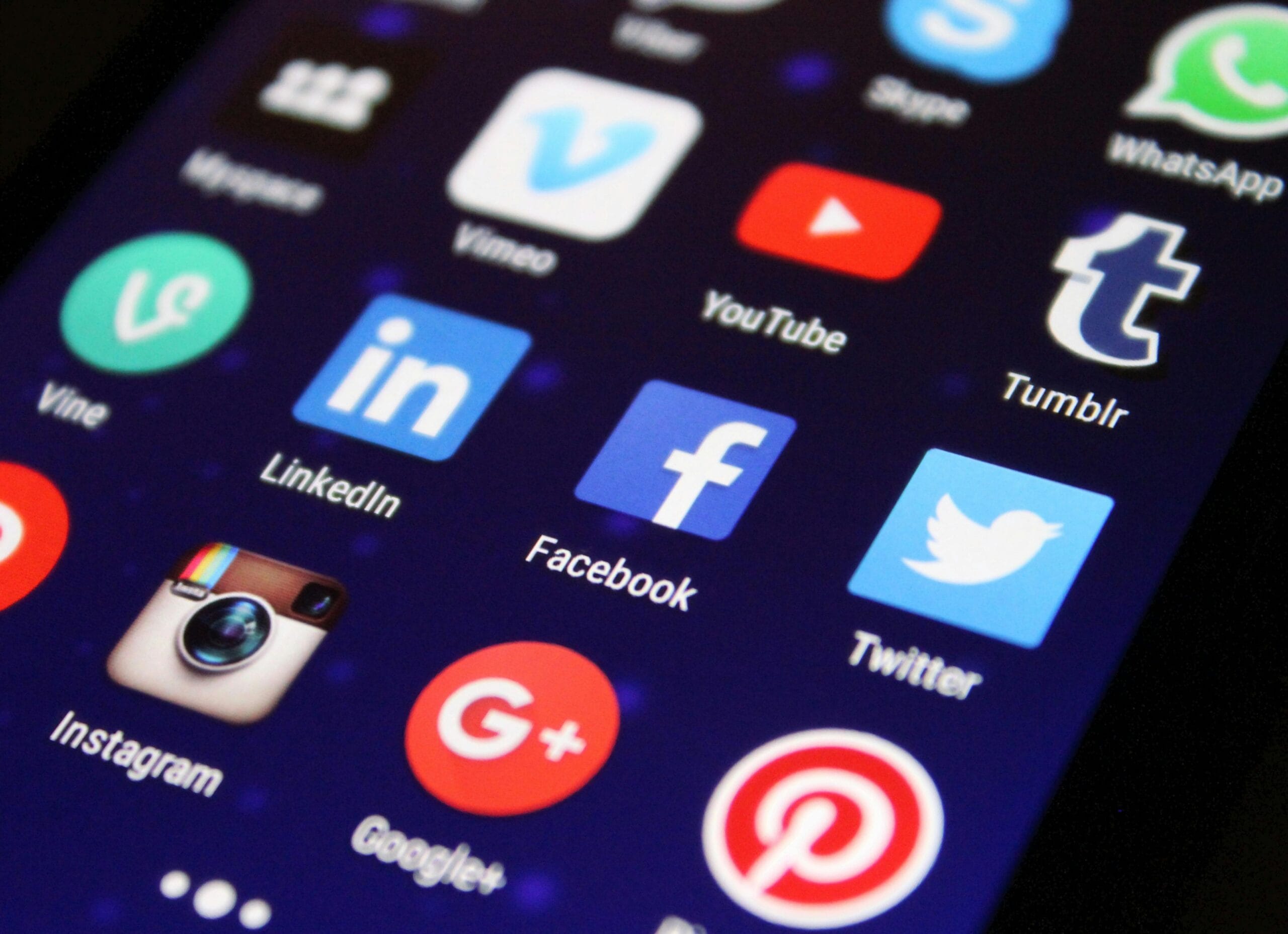
Today’s donors don’t live in one place. They check email in the morning, scroll social media throughout the day, and respond instantly on WhatsApp. A multi-channel fundraising strategy meets them where they already are—and dramatically increases your chances of engagement and giving.
Instead of asking, “Which channel works best?” the smarter question is:
How do these channels work together?
This guide will walk you through how to build a high-impact multi-channel fundraising system using email, WhatsApp, and social media—without overwhelming your team.
What is Multi-Channel Fundraising?
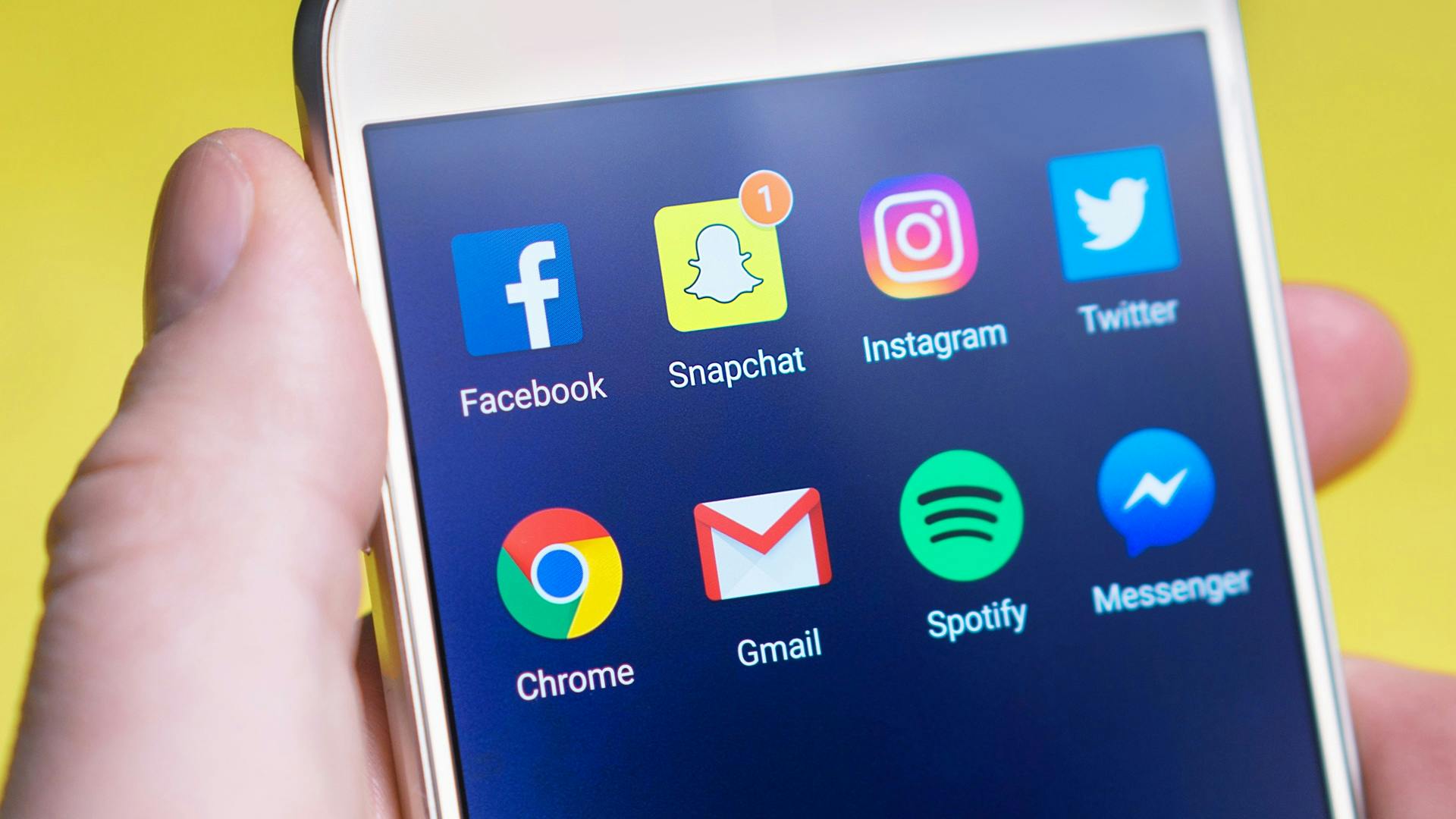
Multi-channel fundraising is the practice of using multiple communication platforms—like email, WhatsApp, and social media—to engage donors, build relationships, and increase donations.
Rather than relying on a single touchpoint, it creates a connected experience where each channel reinforces the others.
Think of it like this:
- Email builds depth
- Social media builds visibility
- WhatsApp drives immediacy
When combined, they create momentum.
Also Read: Digital Fundraising & Online Giving Trends for 2026
Why Multi-Channel Fundraising Works
Donors rarely give the first time they see a message. They need multiple touchpoints.
A potential supporter might:
- Discover your cause on Instagram
- Join your email list
- Receive a story-driven email
- Get a WhatsApp reminder
- Finally donate
That’s multi-channel fundraising in action.
When you consistently show up across channels, you build familiarity and trust—two essential drivers of giving.
The Role of Each Channel
To build an effective multi-channel fundraising system, you need to understand how each channel contributes.
1. Email: The Relationship Builder
Email is where deeper storytelling happens.
Use it to:
- Share impact stories
- Explain your mission
- Provide detailed updates
- Make donation appeals
Email works best when it feels personal and meaningful—not transactional.
2. WhatsApp: The Action Trigger
WhatsApp is immediate and direct.
Use it to:
- Send reminders for campaigns
- Share urgent updates
- Provide quick donation links
- Engage in two-way conversations
In multi-channel fundraising, WhatsApp often becomes the final nudge that converts interest into action.
3. Social Media: The Awareness Engine
Social platforms help you reach new audiences and stay visible.
Use them to:
- Share short stories and visuals
- Highlight impact moments
- Drive traffic to your email list
- Promote campaigns
Social media keeps your cause top of mind.
How to Build a Multi-Channel Fundraising Strategy
A strong multi-channel fundraising system isn’t about doing more—it’s about connecting what you already do.

Step 1: Start With a Clear Campaign Goal
Before sending anything, define:
- What are you raising funds for?
- How much do you need?
- What’s the timeline?
Clarity ensures consistency across all channels.
Step 2: Craft One Core Message
Your message should stay consistent across email, WhatsApp, and social media.
For example:
- Email → Full story
- Social → Short version of the story
- WhatsApp → Quick reminder with link
This keeps your multi-channel fundraising efforts aligned and focused.
Step 3: Sequence Your Communication
Timing matters more than volume.
A simple sequence could look like:
Day 1: Social post (awareness)
Day 2: Email story (engagement)
Day 3: Social proof post (credibility)
Day 4: WhatsApp reminder (conversion)
Day 6: Final email push
This creates a natural flow instead of overwhelming your audience.
Step 4: Make Giving Easy
Every message should make it effortless to donate.
- Use clear links
- Keep forms simple
- Remove unnecessary steps
Even small friction can reduce conversions in multi-channel fundraising.
Step 5: Follow Up and Retain Donors
The real power of multi-channel fundraising isn’t just in getting donations—it’s in keeping donors.
After someone gives:
- Send a thank-you email
- Share updates on social media
- Follow up on WhatsApp
This builds long-term relationships.
Common Mistakes to Avoid
Even well-intentioned campaigns can fail if these mistakes are present.
1. Treating Channels Separately
If your email says one thing and your social media says another, you lose trust.
Consistency is key in multi-channel fundraising.
2. Overloading Donors
More messages don’t always mean better results.
Focus on meaningful communication instead of constant messaging.
3. Ignoring Data
Track:
- Email open rates
- Click-through rates
- Donation conversions
Then adjust your strategy.
Practical Example of Multi-Channel Fundraising
Let’s say you’re raising funds for clean water.
Your multi-channel fundraising campaign could look like this:
- Social Media: A short video showing the impact of clean water
- Email: A detailed story of a family helped by your program
- WhatsApp: “We’re 80% toward our goal—can you help us finish?”
Each channel reinforces the other, increasing the likelihood of donations.
Tools and Resources to Get Started
If you want a simple way to begin building your multi-channel fundraising system, start here:
👉 Free resource to capture and engage supporters:
For organizations ready to go deeper and streamline outreach across channels, consider using a structured system like an outreach toolkit to manage campaigns more effectively.
The Long-Term Advantage

The real benefit of multi-channel fundraising isn’t just higher donations today—it’s sustainability.
When donors:
- See you regularly
- Hear consistent messages
- Feel connected to your mission
They don’t just give once—they stay.
Over time, small, consistent efforts compound into stronger donor relationships and more predictable funding.
You don’t need a massive team or budget to succeed with multi-channel fundraising.
You need:
- A clear message
- Consistent communication
- A simple system
Start small. Connect your channels. Build momentum.
And most importantly—focus on showing up where your donors already are.
FAQs: Multi-Channel Fundraising
1. What is multi-channel fundraising?
Multi-channel fundraising is using multiple platforms like email, WhatsApp, and social media together to engage donors and increase donations.
2. Why is multi-channel fundraising important?
It increases donor touchpoints, builds trust, and improves conversion rates compared to single-channel efforts.
3. Which channel is most effective for fundraising?
No single channel works best alone—multi-channel fundraising combines strengths of each for better results.
4. How often should I contact donors?
Focus on meaningful communication rather than frequency—quality matters more than quantity.
5. Can small nonprofits use multi-channel fundraising?
Yes, even small teams can implement simple multi-channel strategies effectively.
6. Is WhatsApp really effective for fundraising?
Yes, WhatsApp has high open rates and works well for reminders and direct engagement.
7. How do I grow my email list?
Use social media and forms like this free tool to capture supporters:
https://stats.sender.net/forms/aADEQ3/view
8. What type of content works best?
Story-driven content that shows real impact performs best across all channels.
9. How do I measure success?
Track open rates, clicks, conversions, and total donations across channels.
10. What is the biggest mistake in multi-channel fundraising?
Lack of consistency—messages must align across all platforms.