
WhatsApp has become one of the most powerful communication tools for nonprofits and community organizations.
In many countries, people open WhatsApp more than email. Volunteers reply faster. Donors read messages quicker. Communities engage more naturally.
Yet many NGOs still struggle to use it effectively.
Instead of building trust, increasing donations, or strengthening relationships, their WhatsApp outreach becomes ignored, muted, or blocked.
The problem is not the platform.
The problem is strategy.
In this article, we will explore the biggest mistakes NGOs make on WhatsApp, why these mistakes hurt fundraising and community engagement, and how your organization can use WhatsApp more effectively without overwhelming supporters.
Why WhatsApp Matters for NGOs

WhatsApp is personal.
Unlike social media, messages arrive directly in someone’s private space. That means people pay attention quickly — but they also lose trust quickly when communication feels spammy or disorganized.
For NGOs, WhatsApp can help:
- Build stronger donor relationships
- Mobilize volunteers faster
- Share urgent updates
- Increase event attendance
- Improve fundraising campaigns
- Strengthen beneficiary communication
- Create community trust
But success depends on how you use it.
Many nonprofits unknowingly damage relationships because they treat WhatsApp like a loudspeaker instead of a relationship-building tool.
Also Read: How Small NGOs Can Raise Funds Faster Using WhatsApp Without Sounding Desperate
1. Sending Too Many Messages
This is one of the biggest mistakes NGOs make on WhatsApp.
Many organizations assume that sending more messages increases visibility.
In reality, it creates fatigue.
People begin to mute chats, ignore updates, or leave groups completely.
What Happens When NGOs Overmessage
Supporters begin to feel:
- Overwhelmed
- Interrupted
- Pressured
- Emotionally exhausted
This is especially common during fundraising campaigns.
An NGO may send:
- Daily donation reminders
- Multiple event updates
- Long voice notes
- Repeated forwarded messages
Eventually, even loyal supporters disengage.
The Better Approach
Focus on value, not volume.
Before sending any message, ask:
“Does this genuinely help, inform, or inspire the recipient?”
A simple weekly communication plan works better than random daily messaging.
2. Using WhatsApp Groups Incorrectly
Many NGOs create large WhatsApp groups for donors, volunteers, staff, and beneficiaries all in one place.
This quickly becomes chaotic.
Messages get buried. Important updates are missed. Members become frustrated.
Common Problems with NGO WhatsApp Groups
- Off-topic conversations
- Endless greetings
- Forwarded misinformation
- Too many notifications
- No moderation
Over time, engagement drops.
Better Alternatives
Instead of large uncontrolled groups, NGOs should use:
- Broadcast lists
- Segmented groups
- Community channels
- Smaller targeted groups
For example:
- Volunteer coordination group
- Donor updates group
- Event planning group
- Beneficiary support group
Clear structure improves communication dramatically.
3. Treating Every Message Like a Fundraising Request

This is one of the biggest mistakes NGOs make on WhatsApp that loose trust.
If every message asks for money, people begin associating your organization with pressure.
Supporters want connection — not constant solicitation.
A Better Communication Balance
Strong NGO communication should include:
- Success stories
- Community impact
- Volunteer highlights
- Educational content
- Behind-the-scenes updates
- Gratitude messages
When fundraising requests appear within valuable communication, people respond more positively.
Trust grows before the ask.
4. Sending Long, Unclear Messages
Most people skim messages on WhatsApp.
If your message looks overwhelming, they may never read it.
Many NGOs make the Biggest Mistakes on WhatsApp by sending:
- Huge text blocks
- Complicated updates
- Long emotional appeals
- Poorly formatted announcements
This reduces engagement.
How to Improve WhatsApp Messages
Keep messages:
- Short
- Clear
- Action-oriented
- Easy to scan
Use:
- Bullet points
- Line breaks
- Simple language
For example:
❌ BAD:
A massive paragraph explaining a fundraising event.
✅ BETTER:
- Event date
- Purpose
- Location
- Registration link
- One clear call-to-action
Simple communication performs better.
5. Ignoring Personalization
People want to feel seen.
One of the biggest mistakes NGOs make on WhatsApp is sending generic copy-paste messages to everyone.
Supporters notice this immediately.
Personalization builds emotional connection.
Small Personal Touches Matter
Examples:
- Use the recipient’s name
- Mention past support
- Reference previous events attended
- Thank donors specifically
Even simple personalization increases response rates.
6. Not Having a WhatsApp Outreach Strategy
Many nonprofits use WhatsApp randomly which is another biggest mistakes.
There is no structure, schedule, or communication goal.
This leads to:
- Inconsistent messaging
- Poor donor engagement
- Volunteer confusion
- Burnout among staff
What NGOs Should Do Instead
Create a simple outreach system.
Your WhatsApp strategy should define:
- Who receives messages
- How often messages are sent
- What type of content is shared
- Who manages communication
- How responses are handled
Organizations that build systems grow faster and communicate more effectively.

7. Failing to Build Trust Before Asking for Action
Trust is everything on WhatsApp.
People are protective of their private messaging space.
If your NGO immediately asks for donations or support without building relationships first, engagement suffers.
Build Relationship Before Requests
Good WhatsApp outreach follows this pattern:
- Share value
- Build familiarity
- Create trust
- Invite participation
- Ask for support
This sequence feels natural and respectful.
8. Using Poorly Written Outreach Messages
Many NGOs unintentionally write messages that sound robotic, desperate, or unclear.
Examples include:
- Overly formal language
- Generic fundraising copy
- Aggressive donation requests
- Confusing calls-to-action
Good messaging feels human.
It should sound like a real conversation — not a corporate announcement.
Why NGOs Should Download Proven WhatsApp Outreach Scripts
One major challenge nonprofits face is knowing what to say.
Teams often waste hours trying to draft messages for:
- Donor outreach
- Volunteer recruitment
- Event invitations
- Follow-ups
- Fundraising campaigns
That is why using tested outreach scripts can save enormous time and improve results.
👉 Download the free WhatsApp outreach scripts here.
These scripts help NGOs:
- Write clearer messages faster
- Increase supporter responses
- Reduce staff communication stress
- Improve fundraising outreach
- Avoid sounding spammy
- Build more authentic donor relationships
The scripts are especially useful for:
- Small nonprofits
- Volunteer-led organizations
- Community groups
- NGOs with limited marketing staff
Instead of guessing what works, your team can start with proven communication structures that feel natural and respectful.
9. Not Measuring Engagement
Many organizations never evaluate whether their WhatsApp communication is actually working.
They continue sending messages without tracking:
- Responses
- Click-throughs
- Volunteer signups
- Donations generated
- Event attendance
What Smart NGOs Track
Monitor:
- Reply rates
- Message opens
- Group participation
- Link clicks
- Conversion rates
Small improvements compound over time.
10. Forgetting That WhatsApp Is About Relationships
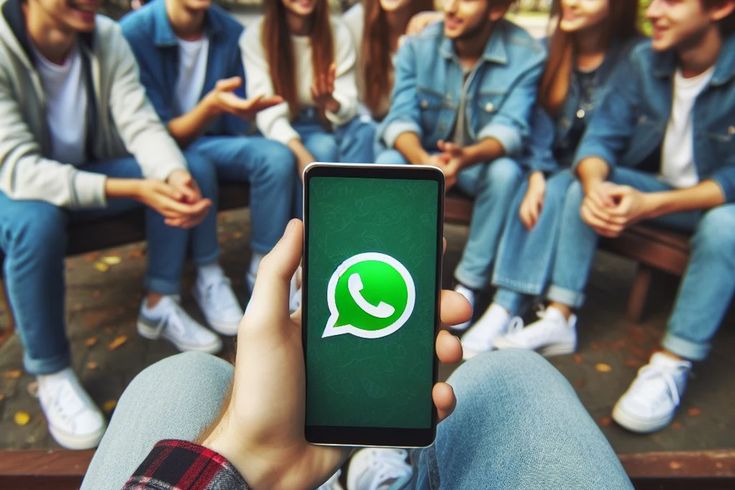
The most successful NGOs understand something important:
WhatsApp is not just a communication tool.
It is a relationship platform.
People support organizations they trust emotionally.
The nonprofits that succeed on WhatsApp are the ones that:
- Listen
- Respond personally
- Respect attention
- Communicate consistently
- Deliver genuine value
Technology alone does not build community.
Human connection does.
How Successful NGOs Use WhatsApp Differently
High-performing nonprofits usually follow these principles:
They communicate intentionally
Every message has a purpose.
They respect attention
They avoid excessive messaging.
They prioritize clarity
Messages are short and actionable.
They build trust gradually
Relationships come before fundraising asks.
They create systems
Communication becomes organized instead of reactive.
These small shifts create major long-term results.
The biggest mistakes NGOs make on WhatsApp are rarely technical.
They are strategic.
Too many organizations:
- Overmessage supporters
- Send unclear communication
- Focus only on fundraising
- Ignore relationship-building
- Operate without systems
But organizations that communicate with clarity, consistency, and empathy create stronger communities and better fundraising outcomes.
WhatsApp can become one of the most powerful tools your nonprofit uses — if used thoughtfully.
And sometimes, the biggest improvement starts with simply learning how to send better messages.
👉 Download the free WhatsApp outreach scripts here.
These scripts can help your team communicate more clearly, save time, improve engagement, and strengthen supporter relationships without sounding robotic or pushy.
FAQs
1. Why do many NGOs struggle with WhatsApp communication?
Many NGOs lack a clear communication strategy and often overmessage supporters, reducing engagement and trust.
2. What is the biggest mistake NGOs make on WhatsApp?
One of the biggest mistakes NGOs make on WhatsApp is sending too many messages without providing enough value.
3. Should NGOs use WhatsApp groups or broadcast lists?
Broadcast lists are often better for donor communication because they reduce noise and improve message visibility.
4. How often should NGOs send WhatsApp messages?
Most NGOs benefit from sending high-value updates once or twice weekly instead of daily messages.
5. Why is personalization important on WhatsApp?
Personalized communication helps supporters feel valued and increases response rates.
6. Can WhatsApp improve nonprofit fundraising?
Yes. When used strategically, WhatsApp can strengthen donor relationships and improve fundraising engagement.
7. What type of content should NGOs share on WhatsApp?
NGOs should balance fundraising requests with stories, impact updates, gratitude messages, and educational content.
8. Why do supporters leave NGO WhatsApp groups?
Supporters often leave because of excessive notifications, irrelevant discussions, or spam-like messaging.
9. How can NGOs improve their WhatsApp outreach?
Organizations can improve by creating structured communication systems and using proven outreach scripts.
10. Are WhatsApp outreach scripts useful for small nonprofits?
Yes. Scripts help small teams save time, communicate clearly, and improve supporter engagement.