The practical 2026 guide to raising more money through trust, mobile money, and community-led donor conversations
Why WhatsApp fundraising matters now
WhatsApp is not just a messaging app for many African communities. It is where families organize weddings, churches coordinate support, alumni groups share opportunities, parents follow school updates, and community leaders mobilize help when something urgent happens.
That is why WhatsApp Fundraising for African Nonprofits is becoming more than a quick way to ask for donations. In 2026, it is becoming a serious fundraising channel for nonprofits that know how to use it with structure, trust, and consistency.
The opportunity is clear: African giving is already relationship-driven. People give when they understand the need, trust the messenger, and can act quickly. WhatsApp brings all three together. It allows a nonprofit to explain the problem, show proof, answer questions, and share a mobile money payment option inside one familiar conversation.
The broader digital context also supports this shift. In Kenya, DataReportal reported 68.8 million cellular mobile connections and 27.4 million internet users at the start of 2025. In South Africa, it reported 124 million cellular mobile connections and 50.8 million internet users at the start of 2025. These numbers do not mean every person is online all the time, but they show why mobile-first communication matters for African fundraising.
At the same time, mobile money has become a major part of daily financial life across the continent. GSMA’s 2025 mobile money report found that the industry passed two billion registered accounts globally in 2024, with over two-thirds of registered accounts coming from Sub-Saharan Africa.
This is the foundation of WhatsApp Fundraising for African Nonprofits: trusted relationships plus mobile giving plus fast follow-up.
What actually works in WhatsApp Fundraising for African Nonprofits

The nonprofits that win on WhatsApp do not simply post “please donate” messages into groups. That approach may work once during an emergency, but it rarely builds reliable income.
What works is a simple system:
You identify the right donor circle.
You explain one clear need.
You make the giving action easy.
You show proof fast.
You follow up like a relationship, not a transaction.
This is where many organizations struggle. They treat WhatsApp like a noticeboard instead of a donor journey. A noticeboard broadcasts. A donor journey guides people from awareness to trust, then from trust to action, then from action to belonging.
For example, a youth education nonprofit in Uganda may send a message saying, “We need school supplies.” That is too broad. A stronger WhatsApp message would say:
“Thirty-two girls in our Saturday learning club need exercise books before Monday. A gift of 25,000 UGX covers one learner’s full set. We will share photos of the delivered supplies on Tuesday.”
The second message works better because it is specific, urgent, believable, and easy to act on.
That is the heart of WhatsApp Fundraising for African Nonprofits in 2026. Donors are not only asking, “Can I give?” They are asking, “Do I trust this? Will my money do what you say it will do?”
The 2026 shift: from broadcast fundraising to relationship fundraising
In earlier years, many nonprofits used WhatsApp mainly for announcements. They created a group, added contacts, and sent updates when money was needed.
In 2026, this is no longer enough.
People are overwhelmed by messages. They are added to too many groups. They see scams. They worry about fake campaigns. They may care about your cause but still ignore your message because it feels unclear or impersonal.
So the stronger strategy is not to reach everyone. It is to activate the right people in the right way.
For WhatsApp Fundraising for African Nonprofits, this means building small circles of trust:
Board members and close advisors
These people should not only donate. They should introduce new donors, forward campaign messages to trusted contacts, and personally endorse your campaign.
Past donors
Past donors are usually easier to reactivate than strangers. A simple “Here is what your last gift helped us do” message can open the door to another gift.
Program alumni
If your nonprofit has trained, supported, or educated people, alumni can become powerful campaign ambassadors.
Faith, diaspora, and professional groups
Many African fundraising efforts grow through existing communities. WhatsApp is ideal because these groups already have trust, identity, and shared concern.
Local champions
A respected teacher, nurse, pastor, youth leader, business owner, or community elder can make a campaign feel real. Their voice often carries more trust than a formal poster.
This is why WhatsApp Fundraising for African Nonprofits works best when it is personal. A message forwarded by someone trusted often performs better than a beautiful graphic sent by an unknown organization.
Build the campaign around one clear giving goal
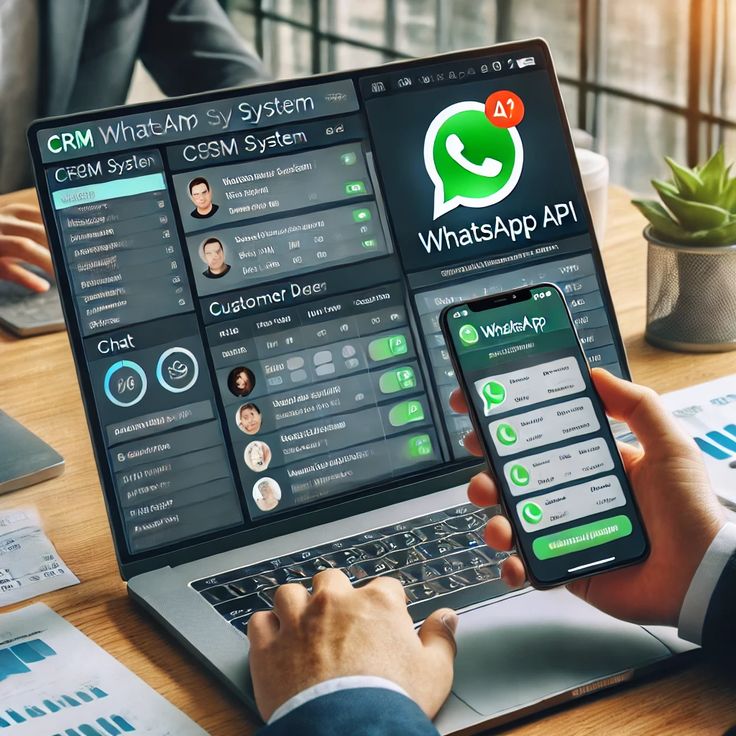
A common mistake is asking donors to support the whole organization. That is too vague for WhatsApp.
WhatsApp moves quickly. Your fundraising offer must be simple enough to understand in a few seconds.
Do not say:
“Support our programs.”
Say:
“Help 50 children receive school meals this month.”
Do not say:
“Donate to women’s empowerment.”
Say:
“Help 20 women complete a soap-making training and receive starter kits.”
Do not say:
“We need funds for operations.”
Say:
“Help us keep our community health hotline open for the next 30 days.”
Specificity creates confidence. It also makes the donor feel useful.
For WhatsApp Fundraising for African Nonprofits, every campaign should answer five questions:
What is the exact problem?
Explain the need in plain language.
Who is affected?
Mention the group clearly: children, women farmers, refugees, youth, patients, caregivers, or community volunteers.
What amount is needed?
Give a total campaign goal and smaller giving levels.
What will the donation do?
Connect money to action.
When will donors see proof?
Tell donors when you will send updates, receipts, photos, or reports.
This makes the campaign feel organized. People are more likely to give when they sense that your nonprofit knows what it is doing.
Make mobile money the easiest next step
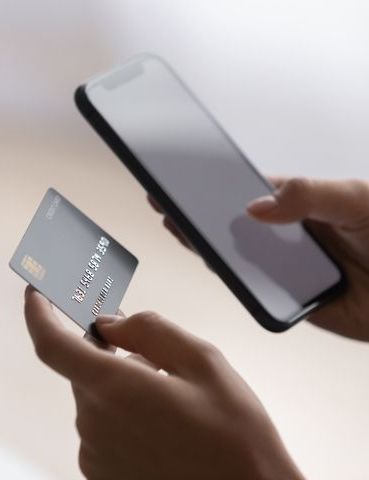
WhatsApp fundraising becomes powerful when the giving step is simple.
In many African markets, mobile money is already trusted for daily payments, family transfers, school fees, church giving, and small business transactions. GSMA reported that Sub-Saharan Africa had more than one billion registered mobile money accounts in 2024, twice as many as in 2020.
That matters because WhatsApp Fundraising for African Nonprofits depends on reducing friction. A donor may feel moved in the moment. But if they need to visit a website, fill a long form, search for bank details, or wait for someone to reply, the giving moment can disappear.
A strong WhatsApp donation message should include:
A named mobile money account or paybill
The donor should know exactly who receives the money.
A simple reference code
Use a clear label such as “MEALS,” “GIRLS,” “CLINIC,” or “BOOKS.”
Giving levels
For example: “$5 feeds one child for a day. $25 supports a week. $100 supports a full classroom meal day.”
A receipt process
Tell donors what to send after giving, such as a transaction screenshot or name for receipt.
A thank-you timeline
Promise a quick confirmation and keep it.
This is simple, but it is often where trust is built or lost.
Trust is the real currency
The strongest tool in WhatsApp Fundraising for African Nonprofits is not the poster. It is trust.
Trust grows when donors see consistency between what you ask for, what you do, and what you report back.
CAF’s World Giving Report focuses on understanding what, how, and why people give, and it highlights the importance of smarter strategies for inspiring generosity and strengthening social-purpose organizations.
For African nonprofits, this means fundraising cannot only be emotional. It must also be credible.
Here are practical trust builders:
Use real names
Messages from “The Team” feel weaker than messages from a named leader, program officer, board member, or community champion.
Show real context
Use short stories from the field. Avoid exploiting beneficiaries. Share dignity, not pity.
Share proof quickly
After donations come in, send updates. “We have raised 420,000 KES so far. This covers 28 of the 50 learners.”
Keep records
Even small WhatsApp campaigns need a donor tracker. Record name, amount, date, phone number, campaign, receipt status, and follow-up status.
Avoid pressure tactics
Urgency helps. Guilt damages trust.
A donor who gives once because they felt pressured may not return. A donor who gives because they feel informed, respected, and included can become a long-term supporter.
Use voice notes carefully
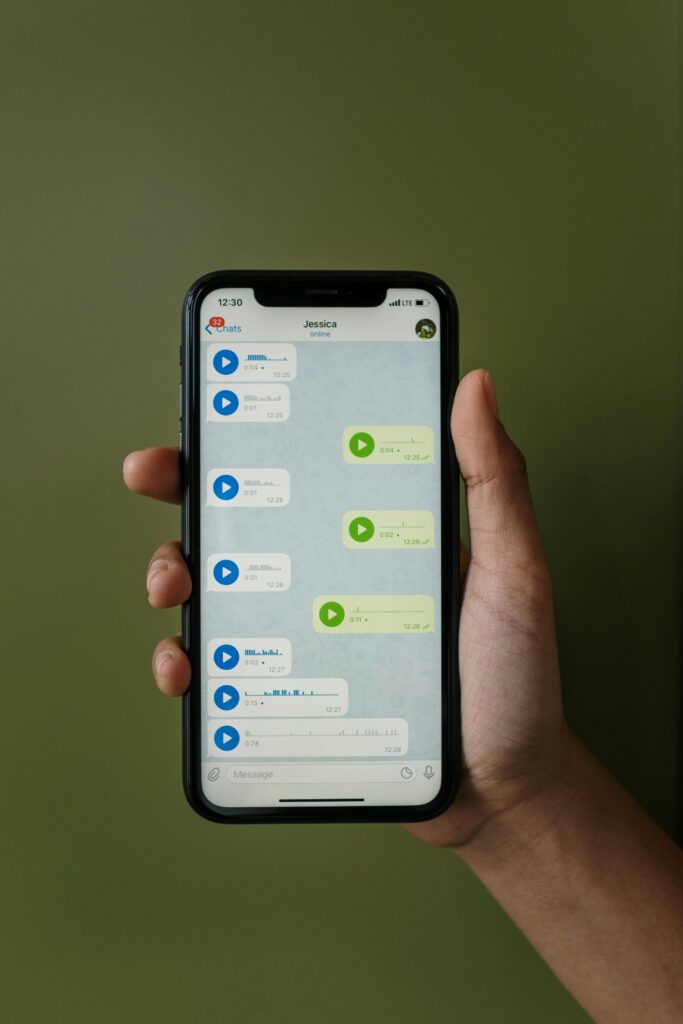
Voice notes can be powerful in African fundraising because they feel human. A short voice note from a founder, teacher, doctor, community worker, or beneficiary representative can carry warmth that text cannot.
But voice notes must be short.
A strong WhatsApp voice note should be under 60 seconds. It should say:
The need
“One of our youth groups needs training materials this week.”
The human reason
“These young people are preparing to start small businesses.”
The ask
“A gift of 10,000 CFA helps one participant receive materials.”
The proof promise
“We will share photos and a short report after the training.”
Voice notes work best when they support the written message, not replace it. Some people cannot listen immediately, so always include the key donation details in text.
This is one of the simplest upgrades in WhatsApp Fundraising for African Nonprofits: combine emotion through voice with clarity through text.
Use groups, broadcasts, and one-to-one messages differently
Not every WhatsApp feature should be used the same way.
WhatsApp groups
Groups are good for community campaigns, volunteer mobilization, alumni giving, and peer encouragement. But they can become noisy. Use groups when people share a strong identity.
Broadcast lists
Broadcasts are useful for sending updates to many people privately. They feel less chaotic than groups. However, recipients may need to have your number saved to receive broadcast messages reliably.
One-to-one messages
Personal messages are best for major donors, board contacts, diaspora supporters, and people who have given before. They take more time, but they often perform better.
For WhatsApp Fundraising for African Nonprofits, the best campaign usually combines all three:
Use a group for public momentum.
Use broadcasts for structured updates.
Use one-to-one messages for high-trust asks.
The best WhatsApp fundraising message structure
A good WhatsApp fundraising message should be short, specific, and easy to forward.
Here is a useful structure:
Start with the human need
“Twenty-five children in our after-school program need meals during exam week.”
Explain why it matters now
“Many come to class without eating, and this affects concentration.”
Give a clear amount
“A gift of 5,000 KES supports meals for five children.”
Share the payment method
“Send to [official mobile money number/paybill]. Use reference: MEALS.”
Promise proof
“We will share an update and photos on Friday.”
Ask for sharing
“Please give what you can, or forward this to two people who may care.”
That last line matters. WhatsApp Fundraising for African Nonprofits grows when donors become messengers. Many people cannot give much, but they can forward the campaign to someone who can.
Create donor momentum with public progress updates
People like to join something that is moving.
Instead of sending the same donation request every day, send progress updates:
Day 1
“We have raised 18% of the goal.”
Day 2
“Ten donors have helped us cover 21 learners.”
Day 3
“We are 12 gifts away from reaching the full target.”
Final day
“Today is the last day. We are close.”
This works because donors see that others are giving. It reduces doubt. It also makes the campaign feel achievable.
But be honest. Never invent progress. Never fake donors. Never create false urgency. In WhatsApp Fundraising for African Nonprofits, credibility is more valuable than a short-term spike.
Segment donors instead of sending everyone the same message
One reason WhatsApp campaigns underperform is that nonprofits send one message to everyone.
A past donor should not receive the same message as a stranger. A board member should not receive the same message as a student volunteer. A diaspora supporter may need different context than a local community member.
Simple segmentation can improve results:
First-time contacts
Send a short introduction and explain who you are.
Past donors
Lead with gratitude and impact.
Major supporters
Send a personal note and ask for a specific role.
Volunteers
Ask them to share, mobilize, or collect pledges.
Diaspora contacts
Make the payment route clear and explain how their gift converts into local action.
This is a key principle of WhatsApp Fundraising for African Nonprofits: the closer the relationship, the more personal the ask should be.
Use photos and video without harming dignity
Images can increase trust, but they must be used responsibly.
Do not share images that shame people. Do not show children, patients, survivors, or vulnerable people in ways that remove their dignity. Get consent where needed. When in doubt, show the work instead of exposing the person.
Good visual options include:
Supplies being packed
This shows action.
Training rooms
This shows implementation.
Staff or volunteers at work
This shows credibility.
Group photos with permission
This shows community.
Before-and-after project updates
This shows progress.
For WhatsApp Fundraising for African Nonprofits, the goal is not to create pity. The goal is to create confidence.
Turn one-time donors into repeat supporters

Many nonprofits celebrate the donation and then disappear. That is a mistake.
The follow-up is where long-term fundraising begins.
After someone gives, send:
Immediate thank-you
“Thank you, Amina. Your gift has been received.”
Impact confirmation
“Your 50,000 UGX will help provide learning materials for two girls.”
Campaign update
“We have now reached 64% of the goal.”
Final report
“Here is what your gift helped make possible.”
Next invitation
“Would you like to receive monthly updates?”
This is how WhatsApp Fundraising for African Nonprofits becomes sustainable. A donor who feels appreciated is more likely to give again. A donor who sees proof is more likely to trust the next ask.
Build a monthly giving circle on WhatsApp
The biggest opportunity in 2026 is not one-off emergency fundraising. It is monthly giving.
A WhatsApp giving circle can be simple:
Twenty people commit to giving a small amount every month.
One person coordinates reminders.
The nonprofit sends monthly proof.
Members invite one new person each quarter.
This model works because it fits local giving behavior. It feels relational, not corporate. It also reduces the pressure of constantly starting from zero.
For example, a community library could create a “100 Friends of the Library” WhatsApp circle. Each member gives a small monthly amount. The group receives updates on books purchased, reading sessions held, and children reached.
This is a practical way to turn WhatsApp Fundraising for African Nonprofits into predictable support.
Common mistakes to avoid

Adding people to groups without permission
This can damage trust. Invite people first.
Sending too many messages
Daily pressure can lead people to mute the group.
Making vague asks
“Support us” is weaker than “help us buy 40 hygiene kits.”
Hiding financial details
Be clear about payment channels, totals raised, and how funds are used.
Forgetting receipts
Receipts matter, especially for institutional donors, diaspora supporters, and professional contacts.
Only communicating when money is needed
Share impact between campaigns. Donors should hear from you when you are not asking.
Avoiding these mistakes will immediately improve WhatsApp Fundraising for African Nonprofits.
A simple 7-day WhatsApp fundraising campaign plan
Day 1: Prepare the campaign
Choose one goal, one audience, one payment method, and one proof plan.
Day 2: Create your donor list
Separate past donors, board contacts, volunteers, diaspora contacts, and community supporters.
Day 3: Send personal warm-up messages
Tell close supporters the campaign is coming and ask if they will help share.
Day 4: Launch publicly
Send the main campaign message with a clear ask and mobile money details.
Day 5: Share progress
Update donors on what has been raised and what remains.
Day 6: Share a field note
Send a short story, photo, or voice note from the work.
Day 7: Close and thank
Announce results, thank donors, and explain when the final impact update will come.
This simple rhythm keeps WhatsApp Fundraising for African Nonprofits organized without making it complicated.
How to measure success

Do not only measure total money raised.
Track:
Number of people contacted
This shows campaign reach.
Number of replies
This shows engagement.
Number of donors
This shows conversion.
Average gift size
This helps with future planning.
Number of people who forwarded the message
This shows community spread.
Number of repeat donors
This shows trust.
Time between ask and donation
This shows how easy the giving process is.
The purpose of tracking is not to make fundraising feel mechanical. It is to learn what works. Over time, small improvements compound.
Also read:Why Personal Messages Raise More Money Than Mass Campaigns
📲 Ready-to-Use WhatsApp Scripts for African Nonprofits Raising Funds in 2026
For many African nonprofits, WhatsApp is no longer just a communication tool — it is one of the fastest ways to build relationships, share impact, and inspire support.
But success on WhatsApp does not come from sending random messages. It comes from using messages that feel personal, clear, and easy to respond to.
Many nonprofits struggle because:
- Their outreach feels too generic
- They do not know how to ask for support naturally
- Follow-up messages are inconsistent
- Supporters receive updates, but not enough connection
- Teams spend too much time rewriting the same kinds of messages
If you want WhatsApp fundraising to work in 2026, you need messages that build trust first and move people toward action.
✅ Get Free WhatsApp Outreach Scripts for Churches and Nonprofits
To help you fundraise more effectively, we’ve created 15 ready-to-use WhatsApp outreach scripts you can start using right away.
These scripts help you:
- Start conversations naturally
- Introduce your mission clearly
- Share impact stories that build trust
- Make donation asks in a warm and personal way
- Follow up thoughtfully
- Thank supporters and invite ongoing partnership
👉 Download the free WhatsApp outreach scripts here
💡 What’s Included
Inside, you’ll get scripts such as:
- First contact introduction
- Soft partnership outreach
- Donor introduction message
- Church outreach message
- Volunteer invitation
- Impact story message
- Donation request message
- Event invitation
- Grant funder introduction
- Follow-up message
- Major donor conversation starter
- CSR partnership outreach
- Community leader outreach
- Monthly partner invitation
- Thank you message
💡 Why This Works
WhatsApp fundraising works best when messages:
- Feel personal instead of mass-produced
- Build trust before making an ask
- Make the next step simple and clear
- Keep supporters engaged through follow-up and appreciation
With the right scripts, your team can stop guessing what to send and start using WhatsApp in a way that feels more human, more strategic, and more effective for fundraising.
Wrap up: WhatsApp is not the strategy. Trust is the strategy.
WhatsApp Fundraising for African Nonprofits works in 2026 because it matches how many African communities already communicate, organize, and give.
But WhatsApp itself is not magic.
The real strategy is trust.
Trust comes from clear asks, personal messages, simple mobile money options, honest updates, respectful storytelling, and consistent follow-up.
A nonprofit that uses WhatsApp only to ask for money will eventually be ignored. A nonprofit that uses WhatsApp to build belonging can turn supporters into donors, donors into ambassadors, and ambassadors into a reliable fundraising network.
The organizations that will raise more in 2026 will not necessarily be the ones with the biggest teams. They will be the ones with the clearest message, the strongest relationships, and the discipline to follow up.
That is what makes WhatsApp Fundraising for African Nonprofits so powerful: it rewards organizations that are human, organized, and trusted.
FAQs
1. What is WhatsApp Fundraising for African Nonprofits?
WhatsApp Fundraising for African Nonprofits is the use of WhatsApp messages, groups, broadcasts, voice notes, and donor follow-up to raise money for nonprofit work across African communities. It often works together with mobile money, bank transfers, and peer sharing.
2. Does WhatsApp fundraising really work in Africa?
Yes, it can work well when the nonprofit has trust, a clear ask, and an easy payment method. It works especially well for community campaigns, emergency support, alumni networks, faith-based giving, and diaspora-supported causes.
3. What makes WhatsApp Fundraising for African Nonprofits effective in 2026?
It is effective because it is personal, fast, mobile-first, and familiar. Donors can ask questions, receive proof, share the campaign, and give through mobile money without leaving their daily communication space.
4. How often should a nonprofit send fundraising messages on WhatsApp?
During a short campaign, three to five updates over one week can work well. Outside campaign periods, nonprofits should share impact updates regularly but avoid overwhelming supporters.
5. Should nonprofits use WhatsApp groups or broadcast lists?
Both can work. Groups are best for shared communities and campaign momentum. Broadcast lists are better for structured updates. One-to-one messages are best for major donors and high-trust relationships.
6. How can nonprofits build trust on WhatsApp?
Use real names, clear donation details, receipts, progress updates, and proof of impact. Avoid vague requests, emotional manipulation, and unverified claims.
7. What kind of campaigns work best on WhatsApp?
Specific campaigns work best. Examples include school meals, medical support, training kits, emergency relief, girls’ education supplies, community health outreach, and small project needs with clear budgets.
8. Can WhatsApp help with monthly giving?
Yes. A nonprofit can create a monthly giving circle where supporters commit to a small recurring gift and receive regular updates. This can help reduce dependence on one-time emergency appeals.
9. What is the biggest mistake in WhatsApp Fundraising for African Nonprofits?
The biggest mistake is treating WhatsApp like a broadcast channel instead of a relationship channel. People give more when they feel informed, respected, and included.
10. How should a nonprofit start with WhatsApp fundraising?
Start with one clear campaign, one donor list, one payment method, and one follow-up plan. Test the message with close supporters first, then launch to wider networks once the ask is clear.