
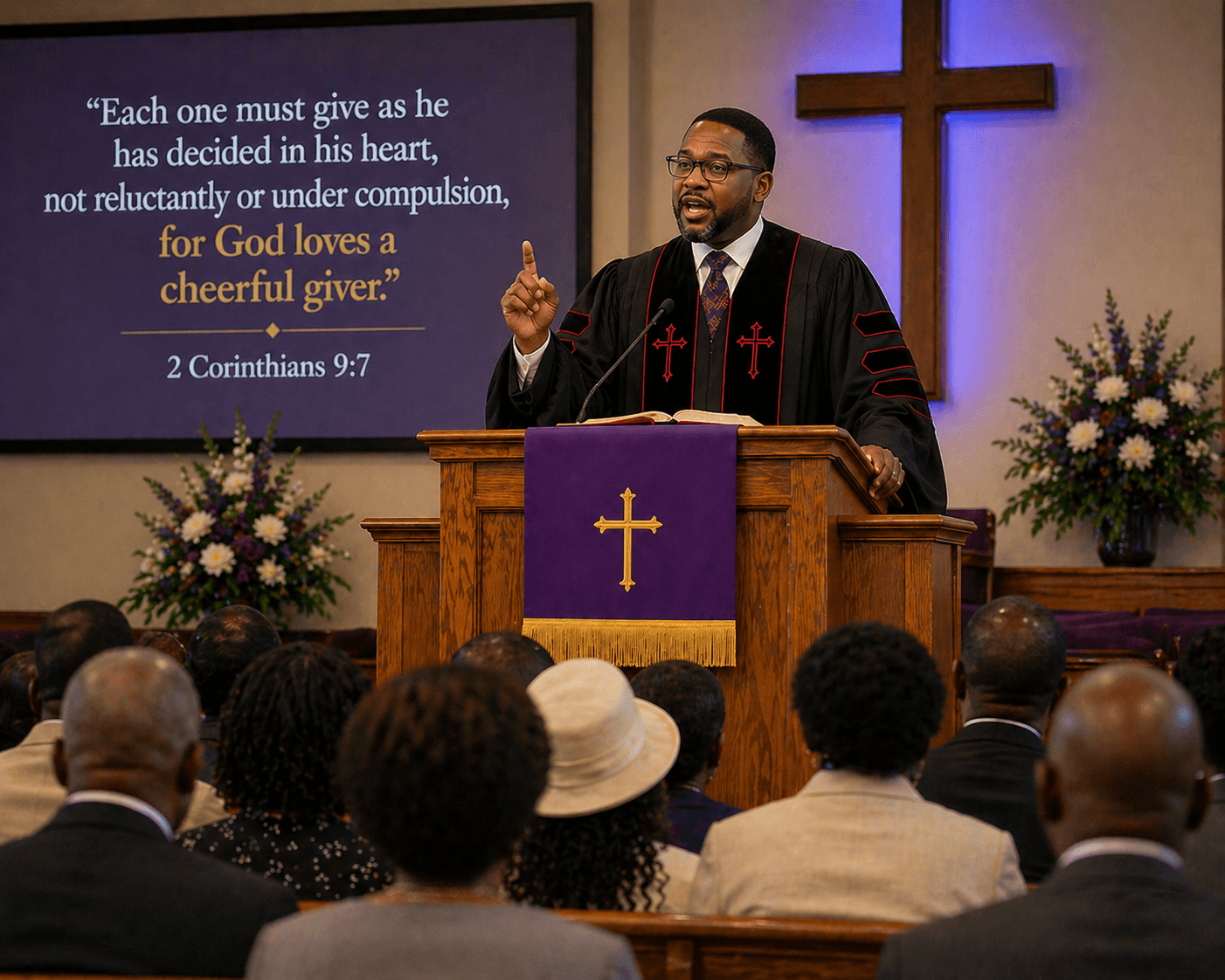
Offering time is one of the most sensitive and powerful moments in any church service. It’s not just about collecting funds—it’s about inviting people into a spiritual act of generosity, faith, and partnership.
Yet many leaders struggle with what pastors should say during offering time. Some feel awkward, others sound repetitive, and many unintentionally disconnect instead of inspire.
This guide will walk you through exactly what pastors should say during offering time—with practical examples, psychological insights, and proven approaches that make giving meaningful rather than mechanical.
Why Offering Time Matters More Than You Think
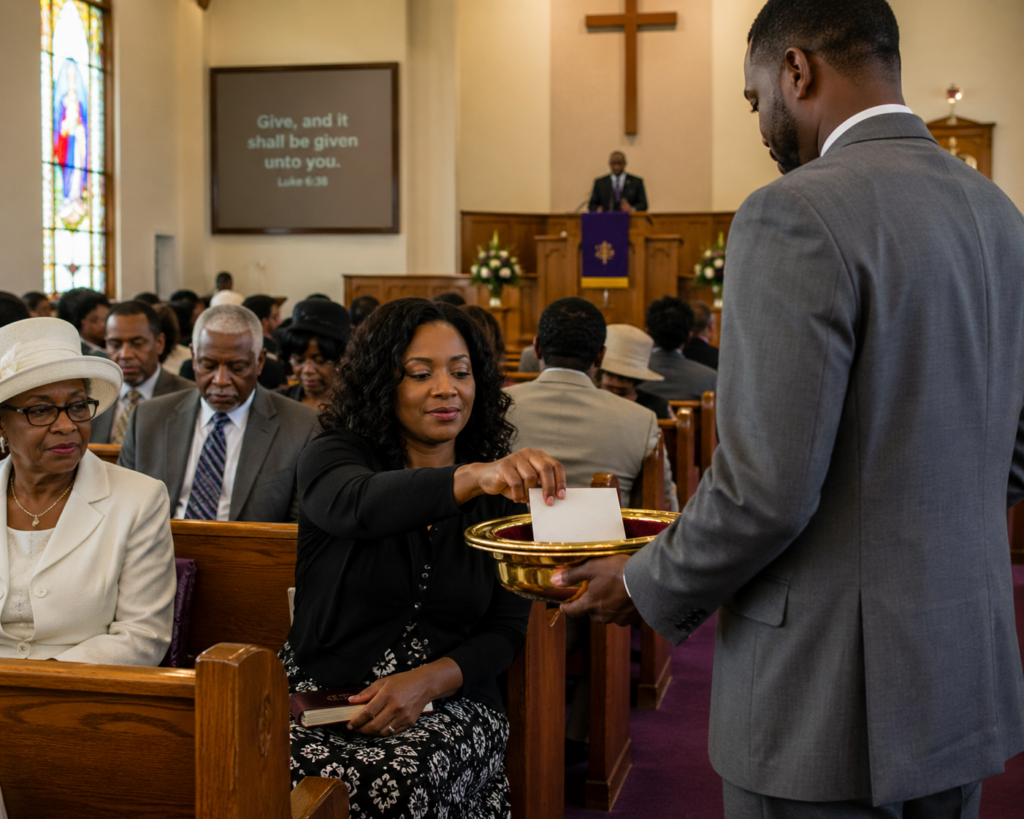
Before diving into scripts, it’s important to understand this:
Offering time is not a financial interruption—it’s a continuation of worship.
When done well, it:
- Deepens spiritual engagement
- Builds trust and transparency
- Encourages consistent giving
- Strengthens the church’s mission
When done poorly, it:
- Feels transactional
- Creates discomfort
- Reduces giving
- Weakens connection
That’s why learning what pastors should say during offering time is essential—not optional.
The Core Principle: Shift from Asking to Inviting
Most pastors approach offering time as a request.
The most effective pastors treat it as an invitation.
Instead of:
“It’s time to give your tithes and offerings.”
Say:
“This is a moment where we get to participate in what God is doing.”
That simple shift changes everything.
People don’t resist giving—they resist pressure.
Also Read: How to Use Facebook & Instagram Fundraisers Successfully
5 Powerful Elements Every Offering Message Should Include
If you’re wondering what pastors should say during offering time, focus on these five elements:
1. Vision (Why Giving Matters)
People give to purpose, not pressure.
Example:
“Because of your giving, lives are being changed every week—families restored, hope renewed, and communities impacted.”
This connects giving to impact.
2. Scripture (Spiritual Foundation)
Ground the moment in truth.
Example:
“The Bible says God loves a cheerful giver—not out of obligation, but out of willingness.”
This removes guilt and reinforces faith.
3. Story (Emotional Connection)
Stories move hearts faster than logic.
Example:
“Last month, someone walked into this church broken—and today they’re leading a small group. That’s the impact of your generosity.”
Stories make giving real.
4. Clarity (How to Give)
Never assume people know what to do.
Example:
“You can give online, through our app, or via the envelopes provided.”
Clarity removes friction.
5. Gratitude (Always Thank People)
Gratitude builds trust and consistency.
Example:
“Thank you for your faithfulness—it truly makes a difference.”
7 Practical Scripts: What Pastors Should Say During Offering Time
Here are ready-to-use examples you can adapt immediately:
Script 1: The Vision-Centered Approach
“Today, as we give, we’re not just supporting a church—we’re fueling a mission. Every seed sown here is changing lives beyond these walls.”
Script 2: The Faith-Based Approach
“Giving is an act of trust. It’s saying, ‘God, I trust You as my provider.’ Today, we give with faith, not fear.”
Script 3: The Gratitude Approach
“Before we give, I just want to say thank you. Your generosity is making a real difference in people’s lives.”
Script 4: The Impact Story Approach
“Because of your giving, we were able to support families in need this past month. That’s the power of generosity.”
Script 5: The First-Time Guest Approach
“If you’re visiting today, please don’t feel obligated to give. This moment is for those who call this church home.”
This builds trust instantly.
Script 6: The Short and Powerful Approach
“We give because God first gave to us. Let’s give with grateful hearts today.”
Script 7: The Consistency Builder
“Faithfulness in giving creates lasting impact. Thank you for being consistent in supporting God’s work.”
Common Mistakes Pastors Should Avoid
If you’re learning what pastors should say during offering time, avoid these pitfalls:
❌ Sounding Apologetic
Confidence matters. If you sound unsure, people feel it.
❌ Over-Explaining
Long speeches reduce attention. Keep it focused.
❌ Using Guilt or Pressure
Statements like:
“If you don’t give, the church will struggle…”
…damage trust.
❌ Being Repetitive
Variety keeps engagement high.
How to Keep Offering Messages Fresh Every Week
One of the biggest challenges is repetition.
Here’s how to stay fresh:
- Rotate between stories, scriptures, and testimonies
- Highlight different ministry impacts
- Invite different speakers occasionally
- Keep a library of short scripts
If you want a ready-to-use collection, explore this free resource.
It provides structured guidance on what pastors should say during offering time without starting from scratch every week.
The Psychology Behind Generosity
Understanding why people give helps refine your message.
People give when they:
- Feel emotionally connected
- Trust leadership
- See clear impact
- Believe their contribution matters
So when thinking about what pastors should say during offering time, always ask:
👉 “Does this make people feel part of something bigger?”
If the answer is yes—you’re on the right track.
Building a Sustainable Giving Culture
Consistency beats intensity.
Instead of trying to “boost giving” occasionally, focus on building a culture where giving becomes natural.
That means:
- Communicating regularly
- Reinforcing vision
- Celebrating impact
- Keeping the message simple
Over time, small improvements compound into significant growth.
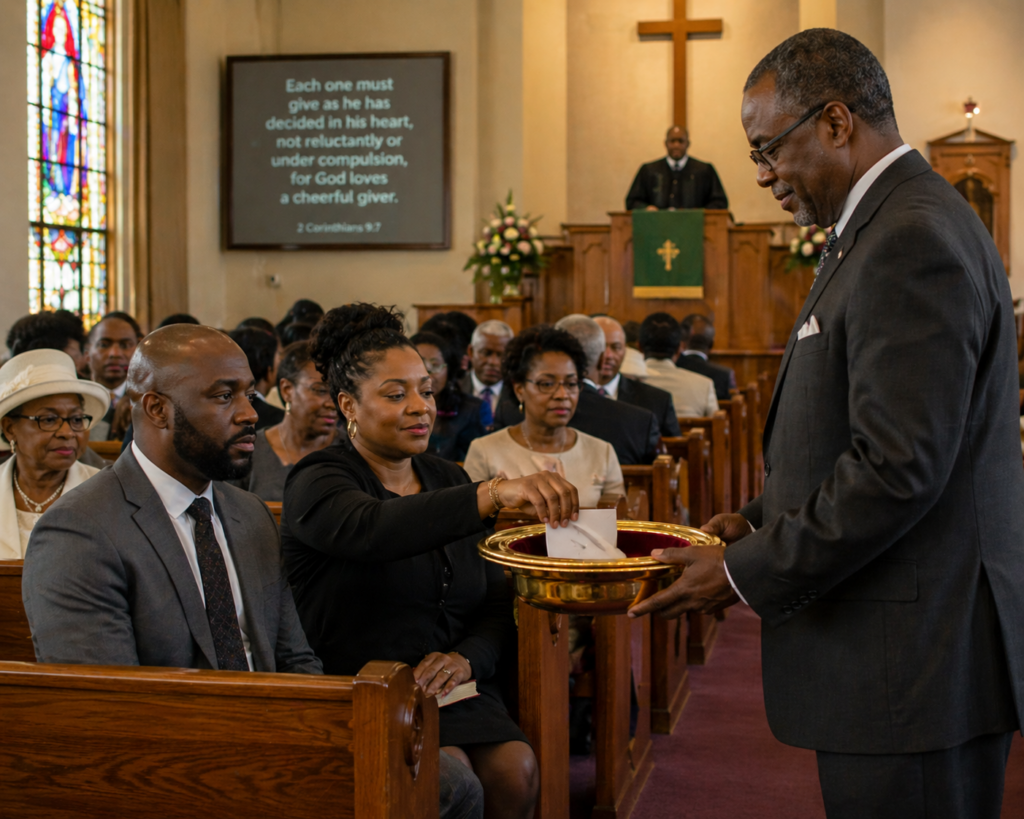
Scaling Your Offering Strategy
If your church is growing, your approach to what pastors should say during offering time must evolve too.
Consider:
- Creating a structured offering framework
- Training multiple leaders
- Standardizing messaging
- Tracking what resonates
For churches ready to take a more structured approach, you can explore a deeper campaign framework designed to guide consistent and effective communication.
Knowing what pastors should say during offering time isn’t about memorizing scripts—it’s about understanding people.
When you:
- Lead with vision
- Speak with authenticity
- Remove pressure
- Highlight impact
Giving becomes a joyful response—not an obligation.
And that’s where real transformation happens.
Frequently Asked Questions (FAQs)
1. What pastors should say during offering time to avoid sounding repetitive?
Focus on rotating themes—vision, scripture, stories, and gratitude—to keep messages fresh and engaging.
2. How long should offering messages be?
Ideally 1–3 minutes. Short, clear, and meaningful messages are more effective.
3. Should pastors mention money directly?
Yes, but in a positive and purpose-driven way—not in a pressured or transactional tone.
4. What pastors should say during offering time for first-time visitors?
Reassure them they are not obligated to give and that the church is glad they are present.
5. How can pastors increase giving during offering time?
By connecting giving to impact, building trust, and communicating consistently.
6. Is it important to use scripture during offering time?
Yes, scripture provides spiritual grounding and reinforces the purpose of giving.
7. What pastors should say during offering time to inspire generosity?
Focus on stories, mission impact, and gratitude rather than financial needs.
8. Can storytelling really improve giving?
Absolutely. Stories create emotional connection, making people more likely to give.
9. Should offering messages be scripted or spontaneous?
A balance works best—prepare structure but deliver naturally.
10. What pastors should say during offering time every week?
Not the same thing—vary your message while staying aligned with vision and purpose.