
There’s a quiet belief that holds many churches back from reaching their full potential.
It sounds reasonable. It feels safe. And it’s repeated so often that it’s rarely questioned.
“If our mission is strong enough, the money will come.”
This is the biggest lie about church fundraising.
Not because mission doesn’t matter—it absolutely does—but because mission alone does not create momentum. Without structure, communication, and intentional engagement, even the most powerful mission can struggle to gain financial support.
Let’s unpack what’s really happening—and what churches can do differently.
Why This Belief Persists
Church leaders are deeply committed to purpose. Their focus is on impact, service, and spiritual growth—not fundraising tactics.
So naturally, fundraising is often treated as something that should happen organically.
- People will give if they believe
- Needs will be met through faith
- The right donors will appear
But in reality, giving is not automatic. It’s guided.
People don’t give simply because a need exists. They give when they understand, feel connected, and see their role in the outcome.
The Truth About Church Fundraising
Here’s the reality:
Church fundraising succeeds when it is intentional, consistent, and relational.
Not aggressive. Not transactional. But structured.
When churches shift from passive expectation to active engagement, everything changes.
Giving becomes:
- More predictable
- More scalable
- More aligned with mission
And most importantly, it becomes something the entire community participates in—not just a small group of donors.
Also Read: How to Raise Money for a Church Building Project Step-by-Step
The Real Problem: Lack of a System
Most churches don’t have a fundraising problem.
They have a system problem.
Without a clear process, fundraising becomes:
- Last-minute appeals
- Emotional pleas during services
- One-off campaigns with no follow-up
This creates fatigue—for both leaders and donors.
Instead, what works is building a simple, repeatable system that guides people from awareness to action.
What Actually Drives Church Fundraising Success
Let’s look at what separates struggling fundraising efforts from thriving ones.
1. Clear and Specific Messaging
People don’t give to vague needs.
They give to:
- Clear outcomes
- Specific projects
- Tangible impact
Instead of saying:
“We need support for our church.”
Say:
“$5,000 will help us feed 200 families this month.”
Clarity builds confidence. Confidence drives action.
2. Consistent Communication
Church fundraising is not a one-time event—it’s an ongoing conversation.
When communication only happens during financial stress, donors feel disconnected.
Instead, create a rhythm:
- Weekly updates
- Monthly impact stories
- Quarterly campaigns
This keeps your mission top of mind and builds trust over time.
3. Emotional Connection Through Story

Data informs. Stories move.
People don’t just want to know what you’re doing—they want to feel why it matters.
Share:
- Real stories of lives impacted
- Personal testimonies
- Before-and-after transformations
When donors see themselves in the story, giving becomes personal.
4. Lowering the Barrier to Give
Sometimes the issue isn’t willingness—it’s friction.
Make giving simple:
- Mobile-friendly donation options
- Clear instructions
- Multiple ways to contribute
Small improvements here can dramatically increase participation.
5. Volume Over Perfection
Many churches hesitate to ask.
They wait for the perfect message, the perfect moment, or the perfect campaign.
But success doesn’t come from perfection.
It comes from consistent action over time.
The more opportunities people have to give, the more likely they are to engage.
The Hidden Power of Small Donors
Another common misconception in church fundraising is that large donors drive everything.
While major gifts matter, most sustainable fundraising comes from many small contributions.
Why?
Because:
- It spreads ownership across the community
- It reduces dependency on a few individuals
- It creates long-term stability
When 100 people give a little, the impact compounds.
Building a Fundraising Culture (Not Just Campaigns)
The most effective churches don’t just run fundraising campaigns.
They build a culture of generosity.
This means:
- Talking about giving regularly
- Connecting generosity to faith and impact
- Celebrating contributions (not just asking for them)
Over time, giving becomes part of identity—not obligation.
A Simple Framework That Works
If your church wants to improve fundraising, start with this simple structure:
Step 1: Awareness
Help people understand the need.
Step 2: Connection
Show them why it matters through stories.
Step 3: Invitation
Clearly ask for support.
Step 4: Follow-Up
Share results and express gratitude.
Step 5: Repeat
Consistency builds momentum.
This cycle creates a natural flow that keeps donors engaged.
The Cost of Doing Nothing
Ignoring fundraising strategy doesn’t keep things neutral—it creates decline.
Without structure:
- Giving becomes inconsistent
- Growth stalls
- Opportunities are missed
And over time, even strong missions struggle to sustain themselves.
A Better Way Forward
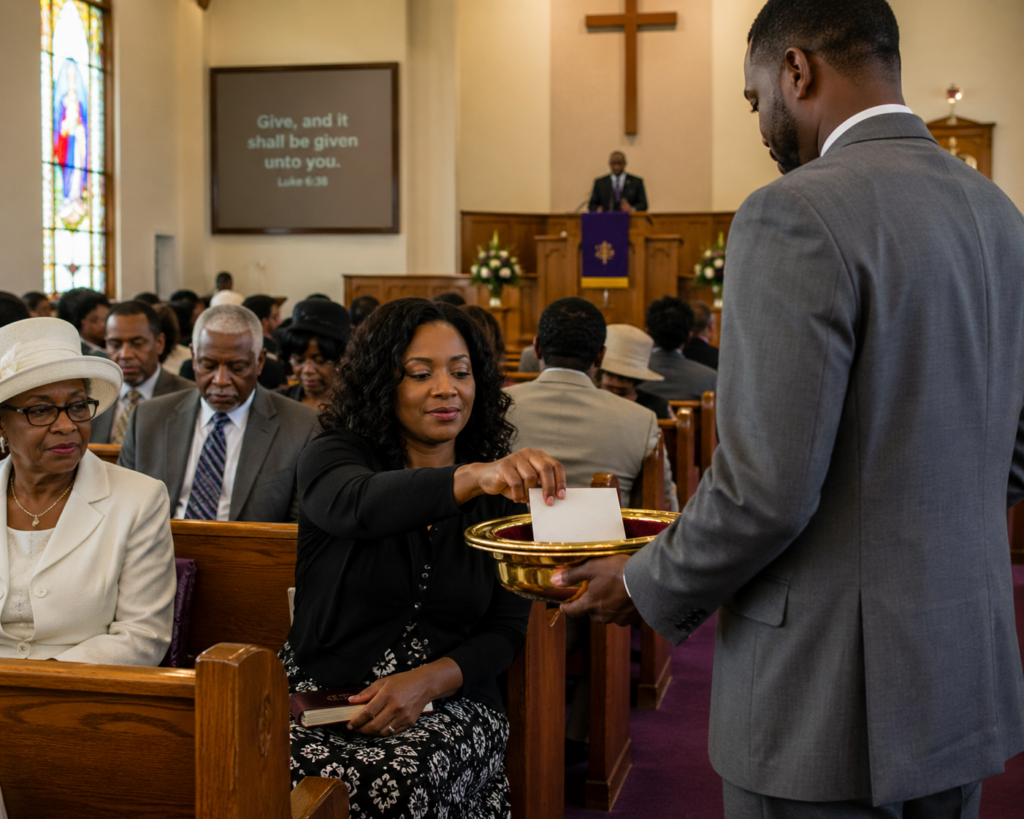
If there’s one shift every church should make, it’s this:
Move from hoping for donations to guiding generosity.
This doesn’t require complicated systems or large teams.
It starts with small, intentional actions done consistently.
Free Resource to Get Started
If you want a simple starting point to improve your church fundraising approach, you can explore this free resource.
It’s designed to help you think differently about how you communicate and structure your efforts.
For Churches Ready to Go Deeper
For those who want a more structured approach, including a full campaign system, you can explore a more advanced framework for only 5.99$:
This helps churches move from scattered efforts to a repeatable, scalable fundraising model.
The biggest lie about church fundraising is believing that mission alone is enough.
Mission is the foundation—but structure is what brings it to life.
When churches combine purpose with clear communication, consistent engagement, and simple systems, fundraising stops being a struggle.
It becomes a natural extension of the mission itself.
FAQs About Church Fundraising
1. What is the biggest mistake in church fundraising?
The biggest mistake is relying solely on mission without a structured approach to communication and engagement.
2. How can small churches improve fundraising?
By focusing on consistent communication, clear messaging, and making giving easy and accessible.
3. Why is church fundraising important?
It supports operations, outreach, and community impact, ensuring the church can fulfill its mission sustainably.
4. How often should churches ask for donations?
Regularly. Consistent, gentle invitations work better than rare, urgent appeals.
5. What motivates people to give to churches?
Emotional connection, clear impact, trust, and feeling part of something meaningful.
6. Are large donors necessary for church fundraising success?
No. Many small donors often create more stable and sustainable funding.
7. How can churches build trust with donors?
Through transparency, regular updates, and showing real impact.
8. What role does storytelling play in church fundraising?
It creates emotional connection and helps donors see the real-life impact of their contributions.
9. How can churches reduce donor fatigue?
By avoiding constant urgent appeals and instead building a steady communication rhythm.
10. What is the best strategy for long-term church fundraising success?
Building a system that consistently engages, informs, and invites donors to participate.