
The Future of Fundraising Is Not One Channel — It Is One Connected Donor Journey
Nonprofit fundraising has changed. Donors no longer move in a straight line from “I heard about your cause” to “I donated.” They may first see your impact story on Instagram, ask a question on WhatsApp, read your email two days later, then finally give after seeing a reminder from a friend who shared your campaign.
That is why Multi-Channel Fundraising matters.
At its simplest, Multi-Channel Fundraising means using more than one communication channel to reach, educate, engage, and convert donors. For many nonprofits, the most practical mix today is WhatsApp, email, and social media.
Each channel has a different job.
WhatsApp feels personal.
Email gives space for deeper storytelling.
Social media creates visibility and sharing.
When these three channels work together, your fundraising campaign becomes easier to notice, easier to trust, and easier to act on.
This matters because digital fundraising is now a serious part of nonprofit growth. The 2025 M+R Benchmarks Study reported that average nonprofit online revenue increased by 2% in 2024, while monthly giving revenue rose by 5% and made up 31% of online revenue.
That means the opportunity is not just getting one-time donations. The bigger opportunity is building a system that keeps donors engaged over time.
What Is Multi-Channel Fundraising?
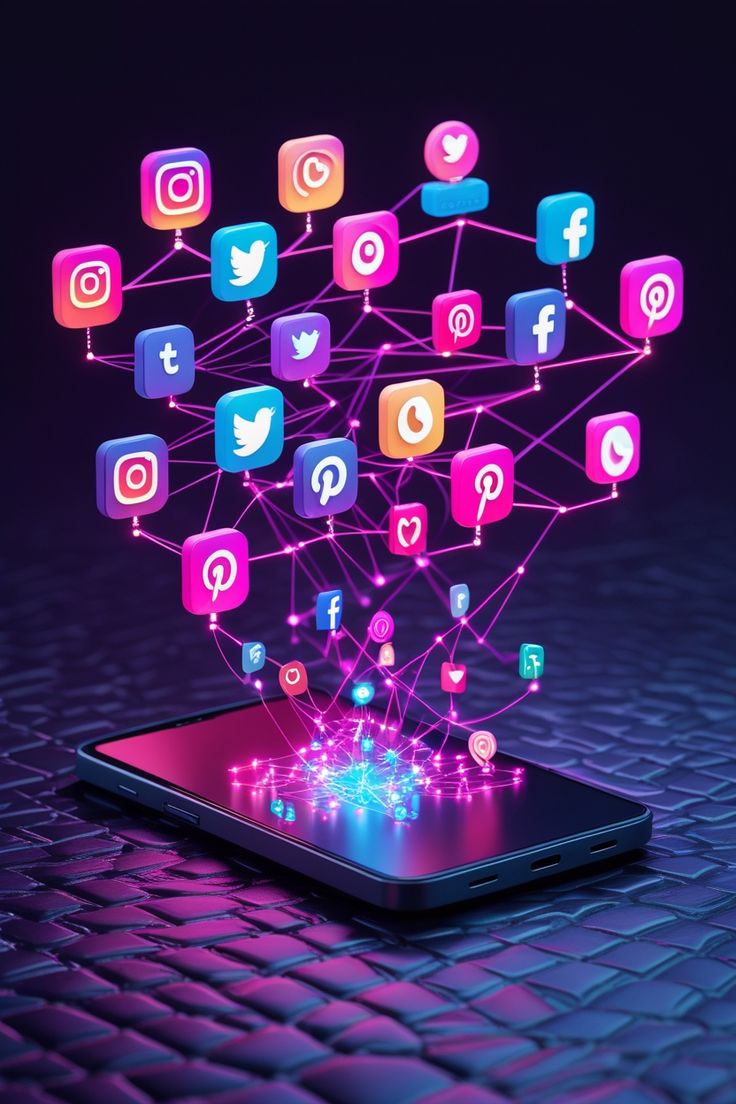
Multi-Channel Fundraising is a strategy where a nonprofit uses several platforms together to move supporters from awareness to donation and from donation to long-term relationship.
It is not the same as posting the same message everywhere.
A weak campaign says:
“Donate now” on WhatsApp.
“Donate now” on email.
“Donate now” on Facebook.
“Donate now” on LinkedIn.
A stronger Multi-Channel Fundraising campaign says:
On social media: “Here is the problem and why it matters.”
On WhatsApp: “Here is a personal update and a simple way to help.”
On email: “Here is the full story, the budget need, and the donation link.”
After donation: “Here is what your gift made possible.”
The difference is important. Donors do not want noise. They want clarity, trust, and proof that their money will matter.
Why WhatsApp, Email, and Social Media Work Well Together
A nonprofit does not need every platform. It needs the right channels for the right purpose.
For many grassroots organizations, community-based nonprofits, churches, schools, youth groups, health projects, and advocacy campaigns, WhatsApp, email, and social media are a strong starting point.
WhatsApp Builds Personal Trust
WhatsApp is useful because it feels close. People already use it to speak with family, friends, colleagues, and community groups. A message on WhatsApp can feel more direct than a public post or a formal newsletter.
For nonprofits, WhatsApp can be used for:
- Donation reminders
- Campaign updates
- Volunteer coordination
- Event reminders
- Thank-you messages
- Short impact stories
- Donor follow-up conversations
But WhatsApp must be handled carefully. Supporters should opt in before receiving campaign messages, and nonprofits should give people a clear way to stop receiving updates. WhatsApp messaging works best when it feels invited, not forced. Guidance on WhatsApp business messaging also emphasizes opt-ins, opt-outs, and compliance practices.
In Multi-Channel Fundraising, WhatsApp is strongest when the relationship already exists. It is not always the best place to explain a complex campaign from scratch. It is better for warm reminders, personal updates, and quick action.
Email Gives Donors the Full Story

Email is still one of the most valuable nonprofit fundraising tools because it gives space. You can explain the issue, share a beneficiary story, show the funding gap, answer objections, and provide a clear donation button.
Email also helps nonprofits own their audience. Social media algorithms change. WhatsApp groups can become noisy. But an email list remains one of the most stable digital assets a nonprofit can build.
A strong fundraising email should include:
- A clear subject line
- One main story
- A specific giving goal
- A simple donation link
- A direct call to action
- A short reminder of impact
In Multi-Channel Fundraising, email often does the heavy lifting. It gives the donor enough information to feel confident.
Social Media Creates Reach and Momentum
Social media is where many people first discover a cause. It is useful for awareness, visibility, community proof, and campaign energy.
DataReportal’s Digital 2025 social media research notes that people use social platforms for many reasons, including keeping in touch, following news, and discovering content. This makes social media useful for nonprofits that need to make their cause visible beyond their existing donor list.
Social media can support Multi-Channel Fundraising through:
- Short videos
- Donor thank-you posts
- Campaign countdowns
- Behind-the-scenes updates
- Impact photos
- Volunteer stories
- Live sessions
- Peer-to-peer sharing
But social media alone is not enough. Likes do not automatically become donations. The real value comes when social media pushes people toward deeper action: joining your email list, messaging your WhatsApp line, attending an event, or donating.
The Simple Donor Journey: See, Trust, Give, Stay
A strong Multi-Channel Fundraising campaign should move people through four stages.
1. See the Cause
The donor first becomes aware of the issue.
This may happen through:
- A short video on Instagram
- A Facebook post shared by a friend
- A LinkedIn story from the executive director
- A WhatsApp status update
- A campaign graphic
At this stage, your message should be simple. Do not start with a long explanation. Start with the human problem.
Example:
“Thirty girls in our community may miss school next term because they cannot afford basic learning materials.”
This is clear. It is specific. It helps the reader understand the problem quickly.
2. Trust the Organization
Once people see the problem, they ask an invisible question:
“Can I trust this organization?”
This is where many campaigns fail. They ask too soon without building confidence.
To build trust, show:
- Real stories
- Clear photos or videos
- Team faces
- Past results
- Transparent budgets
- Partner support
- Community testimonials
In Multi-Channel Fundraising, trust is built through repetition. A donor may see your social post, then receive an email with more detail, then ask a question on WhatsApp. Each touchpoint should confirm the same message.
3. Give With Ease
When the donor is ready, the giving process must be simple.
Do not make donors search for your donation link. Do not send them to a confusing page. Do not ask for too many steps.
Your donation call to action should answer:
- How much is needed?
- What will the gift do?
- Where should the donor give?
- What happens after they give?
Example:
“Give $25 to help provide learning materials for one student this term.”
This is stronger than:
“Support our education program.”
Specific giving feels more real.
4. Stay Connected After Giving
The donation is not the end. It is the beginning of the next relationship.
After someone gives, send:
- An immediate thank-you
- A short impact update
- A later story showing results
- An invitation to monthly giving
- A chance to share the campaign
This is where Multi-Channel Fundraising becomes more powerful over time. Each campaign improves the next one because you are building a warmer audience.
How to Use WhatsApp in Multi-Channel Fundraising
WhatsApp should feel like a relationship channel, not a billboard.
Build an Opt-In List
Start by inviting supporters to join your WhatsApp updates.
You can invite people through:
- Website forms
- Event sign-up sheets
- Email links
- Social media posts
- QR codes at events
- Volunteer groups
Make the invitation clear:
“Join our WhatsApp donor updates to receive short campaign reminders, impact stories, and urgent needs.”
Do not add people without permission. Trust is hard to build and easy to lose.
Keep Messages Short
WhatsApp is not the place for a long newsletter. Keep your message focused.
Example:
“Hi Sarah, quick update: we are 62% toward our school supplies goal. A gift of $25 can help one student start the term ready. Here is the donation link: [link]. Thank you for standing with the children.”
That message is personal, clear, and easy to act on.
Use WhatsApp for Warm Follow-Up
In Multi-Channel Fundraising, WhatsApp works best after someone has already shown interest.
For example:
- They attended an event.
- They clicked an email.
- They joined a campaign group.
- They donated before.
- They asked about volunteering.
A warm WhatsApp message can turn interest into action.
How to Use Email in Multi-Channel Fundraising

Email is your storytelling channel.
Write One Email for One Main Action
Do not ask donors to donate, volunteer, attend a webinar, follow your page, and share a petition in the same email.
One email should usually have one main goal.
For a fundraising email, the goal is donation.
A good structure is:
- Open with a human story.
- Explain the problem.
- Show what your nonprofit is doing.
- State the funding gap.
- Ask for a specific gift.
- Close with urgency and gratitude.
Segment Your Email List
Not every donor should receive the same message.
You can segment by:
- Past donors
- Monthly donors
- Volunteers
- Event attendees
- Major donor prospects
- New subscribers
- Inactive supporters
This makes Multi-Channel Fundraising more respectful. A first-time subscriber may need more education. A past donor may need a direct update. A monthly donor may need a thank-you, not another urgent ask.
Send More Than One Email
Many nonprofits send one email and stop. That is usually not enough.
A simple campaign sequence could include:
- Email 1: Launch the campaign
- Email 2: Share a beneficiary story
- Email 3: Give a progress update
- Email 4: Send a final reminder
- Email 5: Thank donors and report results
The goal is not to pressure people. The goal is to give busy donors enough chances to notice and respond.
How to Use Social Media in Multi-Channel Fundraising
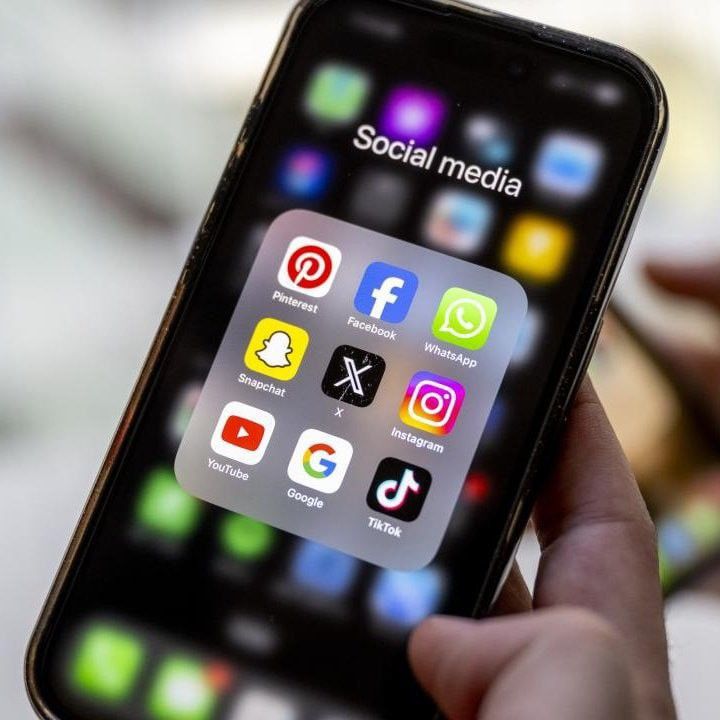
Social media is your visibility engine.
Turn One Campaign Into Many Small Stories
Do not only post the donation link. Share the full campaign through smaller pieces.
For example, one education campaign can become:
- A student story
- A teacher quote
- A short video from the field
- A post explaining the budget
- A donor thank-you graphic
- A countdown post
- A volunteer spotlight
- A final results update
This keeps the campaign alive without repeating the same message.
Use Social Proof
People are more likely to give when they see others participating.
Social proof can include:
- “42 donors have already joined.”
- “Our board has matched the first $2,000.”
- “Three local businesses are supporting this campaign.”
- “Volunteers packed the first 100 school kits today.”
The Associated Press reported that GivingTuesday 2025 raised an estimated $4 billion in the United States, showing how powerful visible generosity moments can become when people see others giving and participating.
You do not need a global campaign to use the same principle. Local momentum also matters.
Move Social Followers Into Owned Channels
Social media reach is useful, but it is not fully under your control.
That is why your posts should invite people to:
- Join your email list
- Message your WhatsApp line
- Register for an event
- Become a monthly donor
- Visit your donation page
This is a core part of Multi-Channel Fundraising. Social media opens the door, but email and WhatsApp deepen the relationship.
A Practical 14-Day Multi-Channel Fundraising Campaign Plan

Here is a simple campaign plan a small nonprofit can use.
Days 1–2: Prepare the Message
Define:
- The campaign goal
- The target amount
- The people helped
- The deadline
- The donation link
- The core story
- The proof of impact
Example:
“We need to raise $5,000 in 14 days to provide school materials for 200 children.”
Days 3–4: Warm the Audience
Post a social media story about the problem.
Send an email explaining why the campaign matters.
Invite close supporters to join WhatsApp updates.
Do not ask too aggressively yet. Build context.
Days 5–7: Launch the Ask
Send your main fundraising email.
Post the campaign video or graphic on social media.
Send a short WhatsApp message to opted-in supporters.
Make the ask specific.
Example:
“Your $25 gift helps one child receive learning materials.”
Days 8–10: Share Progress
Tell people what has happened so far.
Example:
“We are 48% toward the goal. 96 children are already covered.”
This gives donors confidence that the campaign is moving.
Days 11–13: Create Urgency
Remind supporters that the deadline is close.
Use WhatsApp for short reminders.
Use email for a stronger final story.
Use social media for countdown posts.
Day 14: Final Push
Send one clear final email.
Post a final campaign update.
Send one WhatsApp reminder to warm supporters.
After the deadline, thank everyone. Report what was raised and what happens next.
This is how Multi-Channel Fundraising becomes a repeatable system, not a last-minute scramble.
Common Mistakes to Avoid

Mistake 1: Saying the Same Thing Everywhere
Each channel should support the campaign differently. Social media creates attention. Email explains. WhatsApp follows up personally.
Mistake 2: Asking Without Showing Impact
Donors want to know what their gift will do. Always connect the donation to a result.
Mistake 3: Ignoring Donor Fatigue
Do not send too many urgent messages without updates, gratitude, or proof. People are more likely to stay engaged when they feel respected.
Mistake 4: Forgetting Monthly Giving
One-time gifts matter, but monthly giving creates stability. Since M+R found that monthly giving accounted for 31% of online revenue in 2024, nonprofits should consider making recurring gifts part of their digital fundraising journey.
Mistake 5: Not Tracking Results
Track simple numbers:
- Email open rate
- Email clicks
- WhatsApp replies
- Social media shares
- Donation page visits
- Total gifts
- Average gift size
- Repeat donors
- Monthly donor conversions
You do not need perfect data. You need enough data to improve the next campaign.
The Best Message for Each Channel
WhatsApp Message Example
“Hi James, quick update from our education campaign. We are raising funds for 200 school kits, and 137 are already covered. A gift of $25 helps one child start school prepared. Donate here: [link]. Thank you for being part of this.”
Email Subject Line Examples
“Help 200 children start school prepared”
“We are 63% there — can you help us finish?”
“One school kit. One child. One stronger start.”
“Final day to support the school materials campaign”
Social Media Caption Example
“A child should not miss school because of basic supplies. This week, we are raising $5,000 to provide learning materials for 200 children. Every $25 helps one child start the term ready. Give, share, or message us to learn more.”
Why Multi-Channel Fundraising Helps Small Nonprofits Compete
Small nonprofits often do not have large marketing teams or expensive fundraising consultants. But they do have stories, relationships, community trust, and urgency.
That is enough to start.
Multi-Channel Fundraising helps small teams because it turns one campaign into a system. Instead of depending on one big event or one donor, the nonprofit builds many small points of connection.
A volunteer can help schedule social posts.
A program officer can send field updates.
A board member can share the campaign on LinkedIn.
A fundraiser can manage email.
A community lead can respond on WhatsApp.
The work becomes shared.
For nonprofits that want to strengthen their broader fundraising systems, Grassroots Digital Impact Africa also shares practical resources through its fundraising insights.
How to Know If Your Multi-Channel Fundraising Is Working
You know your campaign is working when donors move from passive attention to active participation.
Look for signs like:
- People reply to WhatsApp messages.
- Email clicks increase.
- Supporters share your posts.
- Donors ask questions.
- Past donors give again.
- New donors join your list.
- Volunteers help spread the campaign.
- Monthly gifts begin to grow.
The first campaign may not be perfect. That is normal. The goal is to learn.
After every campaign, ask:
- Which channel brought the most donors?
- Which story got the most response?
- Which message created the most clicks?
- Where did people drop off?
- What questions did donors ask?
- What should we test next time?
This turns Multi-Channel Fundraising into a learning engine.
📲 Strengthen Your Multi-Channel Fundraising with Ready-to-Use WhatsApp Scripts
Multi-channel fundraising works best when each platform plays a clear role.
Social media helps people discover your mission. Email helps you share updates and longer stories. But WhatsApp is often where the real connection happens — the place where conversations feel personal, trust grows faster, and people are more likely to respond.
Many churches and nonprofits struggle because:
- Their messaging feels disconnected across channels
- Social media creates awareness, but not enough personal follow-up
- Email shares information, but does not always create immediate action
- They do not know how to move supporters from public content into direct conversation
If you want your fundraising to work across multiple channels, you need messages that help you connect the journey from awareness to response.
✅ Get Free WhatsApp Outreach Scripts for Churches and Nonprofits
To help you strengthen the personal side of your fundraising funnel, we’ve created 15 ready-to-use WhatsApp outreach scripts you can start using right away.
These scripts will help you:
- Start conversations naturally after someone engages through email or social media
- Introduce your mission in a warm and personal way
- Share impact stories that build trust
- Invite donations, partnerships, and support without sounding pushy
- Follow up thoughtfully and keep supporters engaged
👉 Download the free WhatsApp outreach scripts here
💡 What’s Included
Inside, you’ll get scripts such as:
- First contact introduction
- Soft partnership outreach
- Donor introduction message
- Church outreach message
- Volunteer invitation
- Impact story message
- Donation request message
- Event invitation
- Grant funder introduction
- Follow-up message
- Major donor conversation starter
- CSR partnership outreach
- Community leader outreach
- Monthly partner invitation
- Thank you message
💡 Why This Works
A strong multi-channel fundraising strategy works when:
- Social media creates awareness
- Email nurtures interest
- WhatsApp turns attention into real conversation
With the right WhatsApp scripts, you can:
- Create smoother transitions between channels
- Build stronger personal connection with supporters
- Follow up in a way that feels direct and human
- Increase the chances that awareness turns into action
Do not let your channels operate in isolation — use WhatsApp to connect your fundraising journey and move people closer to giving.
Wrap Up: Build a Fundraising System Donors Can Follow
Multi-Channel Fundraising is not about being everywhere. It is about being present in the right places with the right message at the right time.
WhatsApp helps you speak personally.
Email helps you explain deeply.
Social media helps you reach widely.
When these channels work together, donors do not feel confused. They feel guided.
They see the need.
They trust the organization.
They understand the impact.
They know how to give.
They stay connected after the gift.
That is the real power of Multi-Channel Fundraising. It helps nonprofits move from scattered appeals to a connected donor journey.
For small and growing nonprofits, this is a major advantage. You do not need to wait for perfect systems, a huge team, or a large advertising budget. Start with one clear campaign, one strong story, one donation link, and three connected channels.
Action beats perfection.
FAQs About Multi-Channel Fundraising
1. What is Multi-Channel Fundraising?
Multi-Channel Fundraising is a nonprofit strategy that uses several communication channels, such as WhatsApp, email, and social media, to reach donors and encourage giving.
2. Why is Multi-Channel Fundraising important for nonprofits?
It is important because donors use different platforms. Some respond to email, others notice social media, and others prefer direct WhatsApp messages. Using several channels increases the chance that your message is seen and acted on.
3. Is WhatsApp good for nonprofit fundraising?
Yes, WhatsApp can be useful for nonprofit fundraising when supporters have opted in. It works well for reminders, updates, thank-you messages, and warm donor follow-up.
4. Is email still effective for fundraising?
Yes. Email remains useful because it allows nonprofits to tell deeper stories, explain the need, and provide a direct donation link.
5. How often should a nonprofit send fundraising emails?
For a short campaign, a nonprofit can send several emails across the campaign period, including a launch email, story email, progress update, final reminder, and thank-you email.
6. What role does social media play in Multi-Channel Fundraising?
Social media helps create awareness, reach new people, share stories, show momentum, and encourage supporters to share the campaign.
7. Should nonprofits post the same message on every platform?
No. The core message can stay the same, but the format should change. WhatsApp should be short and personal, email should be detailed, and social media should be visual and shareable.
8. How can small nonprofits start Multi-Channel Fundraising?
Start with one campaign goal, one donor story, one donation page, one email sequence, a few social posts, and a WhatsApp update list for opted-in supporters.
9. What should nonprofits measure in a Multi-Channel Fundraising campaign?
Nonprofits should track donations, email clicks, WhatsApp replies, social media shares, donation page visits, new donors, repeat donors, and monthly donor sign-ups.
10. What is the biggest mistake in Multi-Channel Fundraising?
The biggest mistake is asking for money without building trust. Donors need to understand the problem, believe the organization can help, and see how their gift will make a difference.