In today’s digital-first world, churches and faith-based organizations can no longer rely solely on traditional outreach methods. Relationships still matter—but where those relationships begin has shifted. One of the most underutilized yet powerful tools available is LinkedIn for church partnerships and donor outreach.
While many nonprofits focus on Facebook or Instagram, LinkedIn offers something different: direct access to professionals, corporate decision-makers, and mission-aligned donors who are actively looking for impact opportunities. When used strategically, LinkedIn becomes more than a networking platform—it becomes a partnership engine.
This guide will show you how to use LinkedIn for church partnerships and donor outreach to build credibility, create meaningful relationships, and unlock long-term support.
Why LinkedIn Matters for Churches
Most churches underestimate LinkedIn because it feels “corporate.” But that’s exactly why it works.
Decision-makers—CSR managers, foundation officers, business leaders—are already there. They are not just scrolling; they are evaluating opportunities, partnerships, and causes to support.
Using LinkedIn for church partnerships and donor outreach allows you to:
- Reach high-capacity donors
- Connect with corporate partners
- Build authority and trust
- Share your mission in a professional context
Unlike other platforms, LinkedIn rewards clarity, consistency, and credibility—three things donors look for before committing.
Also Read: LinkedIn for Ministry Partnerships and Funding: A Guide for Growing Support
Step 1: Optimize Your Church’s LinkedIn Presence
Before outreach begins, your profile must communicate value immediately.
When someone visits your page, they should instantly understand:
- Who you serve
- What impact you create
- Why your mission matters
Key elements to optimize:
- A clear mission-driven headline
- A compelling “About” section with outcomes, not just activities
- Visual proof (photos, events, testimonials)
- Regular updates showing ongoing work
Think of your page as your first impression. If it’s unclear or inactive, outreach efforts will fall flat.
Step 2: Identify the Right People
Success with LinkedIn for church partnerships and donor outreach is not about reaching everyone—it’s about reaching the right people.
Focus on:
- Corporate social responsibility (CSR) leaders
- Foundation program officers
- Business owners aligned with your mission
- Professionals who are already supporting similar causes
Instead of sending mass messages, build a targeted list. This increases the likelihood of meaningful conversations and long-term relationships.
Step 3: Build Relationships Before Asking
One of the biggest mistakes churches make is jumping straight to requests.
On LinkedIn, relationships come first.
Start by:
- Engaging with posts (comments, insights—not generic responses)
- Sharing relevant content that aligns with their interests
- Sending thoughtful connection requests
A simple message like:
“I appreciate your work supporting community initiatives. I’d love to connect and learn more about your approach.”
This approach builds familiarity and trust—two essential ingredients in donor outreach.
Step 4: Share Stories That Resonate
Facts inform, but stories move people.
Using LinkedIn for church partnerships and donor outreach, your content should highlight transformation, not just activity.
Instead of:
- “We held a community event”
Say:
- “Last weekend, 50 families received support during a difficult season—here’s one story that stood out…”
Content ideas:
- Impact stories
- Behind-the-scenes ministry work
- Volunteer highlights
- Community transformation updates
When people see real outcomes, they begin to visualize their role in supporting your mission.
Step 5: Position the Donor as the Hero
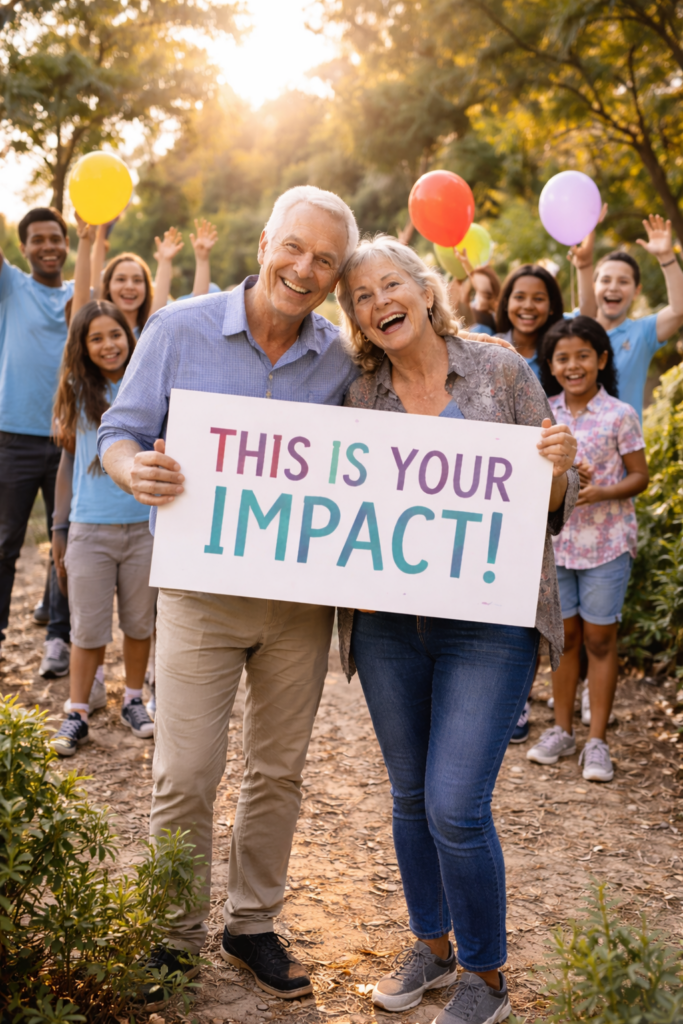
Donors don’t give to organizations—they give to outcomes they believe in.
Your messaging should make it clear:
- Their support creates impact
- Their involvement matters
- They are part of something bigger
This subtle shift transforms outreach from “asking for help” into “inviting partnership.”
That’s the core of effective LinkedIn for church partnerships and donor outreach.
Step 6: Create a Simple Outreach System
Consistency beats intensity.
Instead of sporadic efforts, build a simple weekly system:
- Connect with 10–15 new people
- Engage with 5–10 posts daily
- Share 2–3 valuable updates per week
- Send 3–5 thoughtful follow-up messages
Over time, this creates momentum. More conversations lead to more opportunities—and ultimately more partnerships.
Step 7: Provide Clear Next Steps
Once interest is established, make it easy for people to engage further.
This is where free structured resources come in.
This free tool helps you organize outreach and present your mission clearly to potential partners.
For organizations ready to go deeper for only 5.99$ you can access:
👉 Paid Resource: Church Outreach Toolkit
This provides structured systems, templates, and frameworks to streamline your outreach and improve results.
When people know exactly how to take the next step, they’re far more likely to do so.
Step 8: Follow Up Without Pressure
Most partnerships don’t happen on the first conversation.
Follow-up is where many opportunities are either built—or lost.
Keep your follow-ups:
- Friendly
- Value-driven
- Non-pushy
For example:
“I came across something that aligns with what we discussed—thought you might find it helpful.”
This keeps the relationship active without creating pressure.
Step 9: Track and Improve Your Approach
Not every message will work—and that’s part of the process.
Pay attention to:
- Which messages get responses
- Which posts generate engagement
- Which connections lead to conversations
Refine your approach over time.
Using LinkedIn for church partnerships and donor outreach effectively means treating it as an evolving system, not a one-time effort.
Step 10: Think Long-Term, Not Transactional

The most successful churches don’t just seek donations—they build ecosystems of support.
This includes:
- Long-term partners
- Recurring donors
- Strategic collaborators
LinkedIn is not just a tool for immediate results—it’s a platform for compounding relationships over time.
Small, consistent actions today can lead to major opportunities months or even years later.
Common Mistakes to Avoid
When using LinkedIn for church partnerships and donor outreach, avoid:
- Sending generic mass messages
- Asking for donations too quickly
- Ignoring profile optimization
- Posting inconsistently
- Focusing only on numbers instead of relationships
Each of these reduces trust—and trust is the foundation of every successful partnership.
Wrap Up
LinkedIn offers churches a unique opportunity to connect with people who are ready, willing, and able to support meaningful causes.
But success doesn’t come from quick wins—it comes from consistent, intentional effort.
By focusing on relationships, storytelling, and systems, LinkedIn for church partnerships and donor outreach becomes a powerful engine for growth and impact.
Start small. Stay consistent. Build connections that matter.
FAQs: LinkedIn for Church Partnerships and Donor Outreach
1. Why is LinkedIn important for church outreach?
LinkedIn connects you directly with professionals, donors, and organizations interested in partnerships and social impact.
2. How often should churches post on LinkedIn?
2–3 times per week is ideal for maintaining visibility and engagement.
3. What type of content works best?
Impact stories, community updates, and transformation-focused content perform best.
4. How do I approach potential donors on LinkedIn?
Start with genuine engagement and relationship-building before making any requests.
5. Is LinkedIn better than Facebook for donor outreach?
They serve different purposes—LinkedIn is stronger for professional connections and high-capacity donors.
6. Can small churches benefit from LinkedIn?
Absolutely. Even small, consistent efforts can lead to meaningful partnerships.
7. What should I include in my church’s profile?
Mission, impact, visuals, and clear descriptions of your work.
8. How long does it take to see results?
Results build over time—typically weeks to months with consistent effort.
9. Should I use automation tools?
Only carefully. Personalization is key to building trust.
10. What’s the biggest mistake to avoid?
Asking for donations too early without building a relationship first.